Labor availability is now a hard constraint on capacity, quoting confidence, and delivery performance, so capital equipment decisions have become a frontline profitability strategy. When you cannot simply add headcount, protecting throughput means reducing schedule risk, stabilizing quality, and designing uptime into the process. As President of Mac-Tech, I help fabricators make disciplined, ROI-aware investments that raise output per employee without overcommitting capital or gambling on unrealistic utilization.
The Labor Shortage as a Capital Strategy Inflection Point for Fabricators
The executive problem is not just higher wages, it is the cost of missed ship dates, expediting, quality escapes, and lost bids when capacity is fragile. In many shops, one unfilled role or one chronic bottleneck can cap throughput more than the current machine count. That is why capital planning now needs to prioritize resilience and predictability, not just raw speed.
My framework starts by identifying where labor constraints create the highest schedule risk, then matching projects to the smallest set of changes that protect flow. Sometimes that is a new machine, and sometimes it is a retrofit, tool standardization, or material handling that removes operator touch time. The goal is to invest where you can reliably convert dollars into shipped parts, not theoretical capacity.

G-FORCE FIBER LASER

PCR41 ROBOTIC PLASMA CUTTING SYSTEM
Choosing Equipment That Protects Throughput When Skilled Labor Is Scarce
When skilled labor is scarce, the best equipment choice is often the one that keeps running with less supervision, fewer setups, and simpler troubleshooting. That points to solutions that reduce variability in programming, material presentation, and changeovers, because variability is what turns a staffing gap into downtime. Protecting throughput also improves bidding competitiveness because you can quote lead times with confidence.
Throughput protection decision filter:
- Target the bottleneck that most often blocks shipments, not the department with the loudest pain
- Prefer automation that reduces touch time and setup time before chasing maximum cutting speed
- Choose platforms that your current team can support, maintain, and program consistently
- Stage investments so you can validate utilization and scrap reduction before expanding scope
Where it makes sense, modern systems like HSG lasers or Prodevco beam coping can meaningfully reduce manual handling and operator-dependent variation, but only if the upstream and downstream steps are ready. If a lower-risk retrofit or tooling upgrade can unlock the same throughput, that can be the smarter first move, especially in uncertain demand cycles.
Decision Criteria and Tradeoffs Automation Level Flexibility Footprint and Supportability
The business tradeoff is simple: higher automation can reduce labor dependence and stabilize quality, but it raises complexity, commissioning risk, and support requirements. I encourage leaders to weigh automation level against the true supportability in their shop, including maintenance skill, spare parts discipline, and the ability to keep programs and tooling standardized. Flexibility matters too, because the wrong level of specialization can trap you when mix changes.
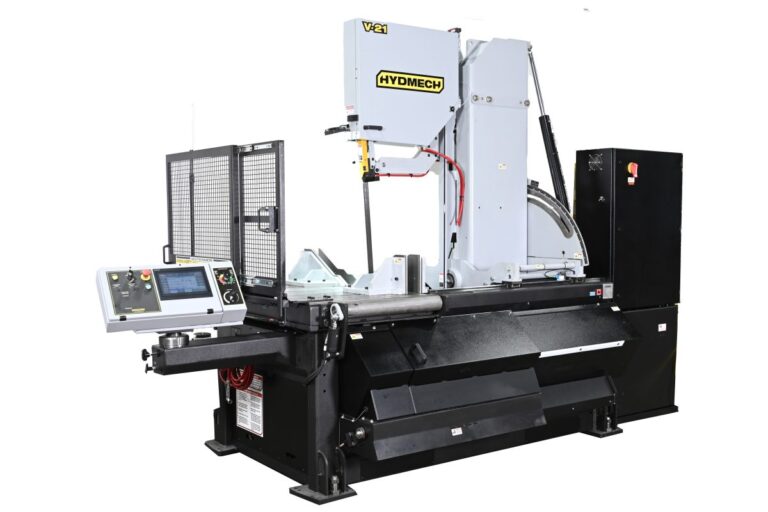
Footprint and material flow are often underestimated drivers of uptime, especially in tight plants where staging becomes the hidden bottleneck. Equipment selections from makers like Ermaksan, Akyapak, or Hydmech can be excellent fits when matched to the right throughput goal and workflow, but the deciding factor should be the full cell design and how easily operators can keep it fed and cleared. If your team already uses Wilson Tool standards, for example, keeping tooling common across brakes can reduce setup variance and training time.
Financial Planning for ROI CapEx Timing Depreciation Risk and Resale Value
ROI in a labor shortage should be measured with sensitivity to staffing reality, not best-case utilization. I typically model payback using conservative run hours, a realistic staffing plan, and the cost of downtime and rework, because those are the hidden multipliers that damage margins. If the project only works at perfect staffing or at 85 percent utilization on day one, it is probably too optimistic.
Investment timing considerations:
- Utilization assumptions tied to backlog, not hope
- Commissioning window aligned to slow seasons or planned outages
- Financing or leasing to preserve cash for working capital and inventory swings
- Depreciation planning and Section 179 timing considerations, not tax advice
Resale value and lifecycle cost matter more than ever because technology cycles are moving fast and demand can be uneven. Standardizing on supportable platforms and keeping documentation tight protects residual value and reduces the risk premium when you later upgrade or right-size. For current equipment options and configuration paths, I often direct teams to start by browsing viable platforms and tooling at https://shop.mac-tech.com/.
Implementation and Change Management Training Workflow Integration and Ramp Up
The executive risk is that a good machine becomes a bad project if the ramp-up disrupts shipments or the team never reaches stable utilization. Implementation should be planned like a production program, with a clear cutover plan, a training schedule, and a defined set of parts to validate before expanding. Realistic ramp-up protects margin because you avoid overtime spikes, scrap events, and scheduling chaos.
Training must be designed around the reality that your best people are already busy. I recommend narrowing early scope, training a small group to competence, then scaling after you have documented standard work and maintenance routines. If you need added support for workforce adoption or plant-level standardization, resources like https://vayjo.com/ can be helpful for aligning training and execution to operational goals.
Next Steps for Capital Smart Fabricators in a Constrained Labor Market
The next step is to build a short, ranked pipeline of projects tied directly to throughput protection, then fund them in phases based on measurable results. Start with the constraint that most affects shipping performance and quoting confidence, then select equipment and automation that reduces touches, reduces setup time, and improves uptime with your available skill base. This approach improves staffing flexibility because you are designing the process to be less dependent on a few key individuals.
I advise leadership teams to standardize where possible, document assumptions, and treat every investment as a managed operational change, not just a purchase order. When you do that, you get realistic outcomes like higher throughput per employee, reduced rework, and better on-time delivery without betting the business on a single big swing.
FAQ
How should we think about financing versus paying cash for equipment?
Match the capital structure to risk and cash flow, since preserving cash can protect working capital during ramp-up. Leasing or financing can also align payments to realized throughput rather than day-one expectations.
What assumptions should we use to measure automation ROI in a labor shortage?
Use conservative utilization and assume staffing constraints persist, then value reduced setup time, scrap, and downtime alongside labor savings. If ROI only works at perfect staffing or perfect scheduling, re-scope the project.
When is it smarter to retrofit instead of buying new?
Retrofit when the constraint is changeover time, tooling, controls, or handling, and the base machine is mechanically sound. Buy new when reliability, precision, or automation integration is the real limiter and retrofit risk is high.
How do we plan implementation to avoid downtime and missed shipments?
Schedule commissioning around a realistic cutover window and qualify a defined part family first. Keep parallel capacity temporarily if the bottleneck is customer-facing and lead time penalties are severe.
How long should training and adoption take before we expect stable output?
Plan for a phased ramp where basic competence comes first, then efficiency, then optimization. Stable output often requires standard work, tooling discipline, and maintenance routines, not just initial operator training.
What maintenance planning should be included in lifecycle cost?
Include spare parts strategy, preventive maintenance time, service response expectations, and who in-house owns first-line troubleshooting. The cheapest machine can become expensive if uptime depends on scarce outside support.
Contact me, Joe Ryan, at joe@mac-tech.com, 414-477-8772, or 888-MAC-9555 to map a disciplined capital plan that protects throughput and ROI, and start exploring options at https://shop.mac-tech.com/.
Get Weekly Mac-Tech News & Updates