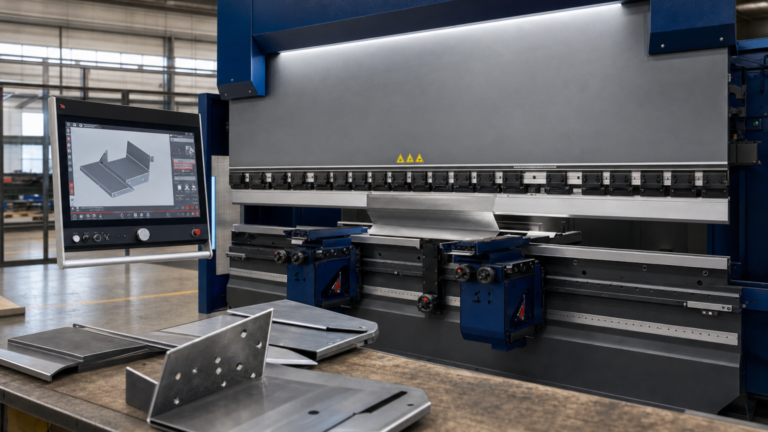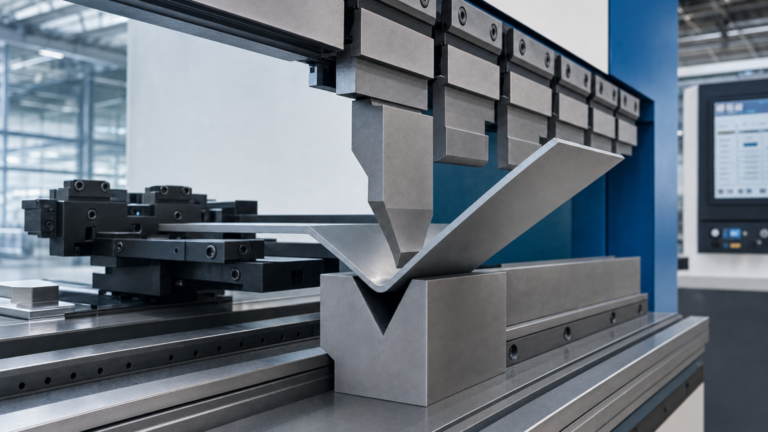
RYTECH FORCE ONE Press Brake Maintenance
Plan RYTECH FORCE ONE maintenance from the delivered machine’s documentation, then use bend results, backgauge observations, alarms, and service records to track changes.
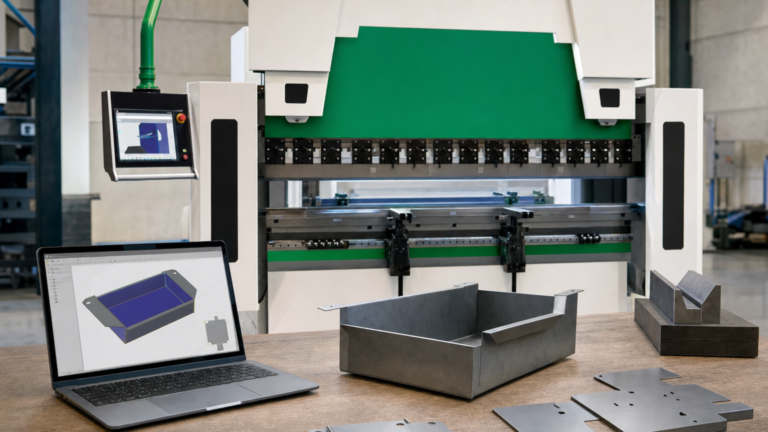
The Power-Bend Falcon is a hydraulic CNC press brake to evaluate for recurring sheet-metal bends. Compare its series range and options with actual parts, tooling, and the quoted machine configuration.
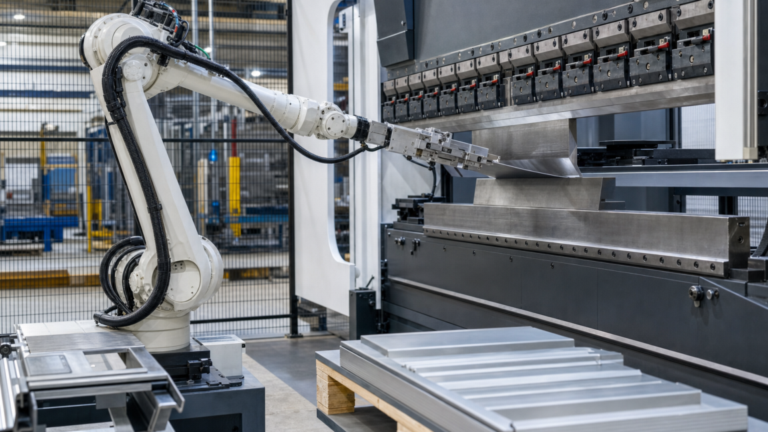
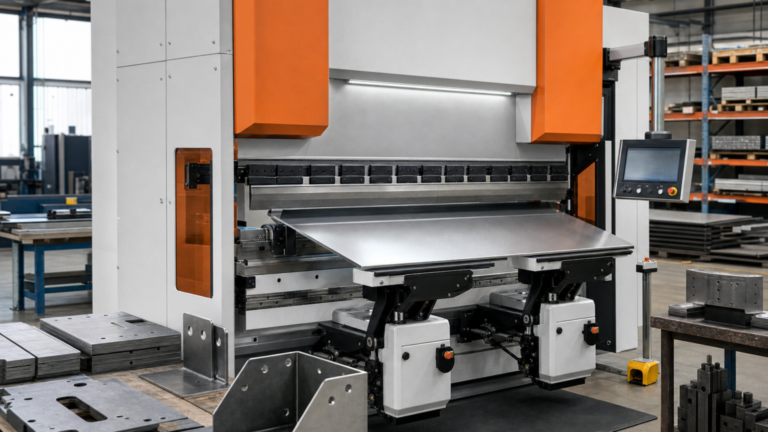
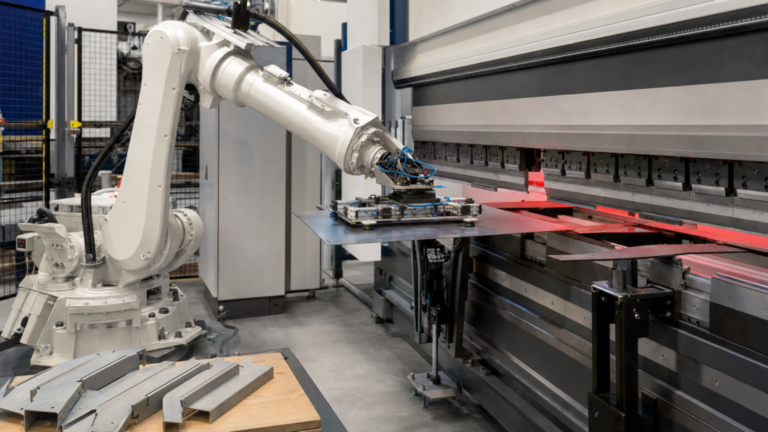
Robotic press-brake cells are worth evaluating for recurring rack and enclosure parts with multiple bends when handling and repositioning constrain production. Compare the full cell with panel bending and conventional braking using representative parts, realistic volumes, and actual handling requirements.
Retrofit an older press brake when its forming capability and backgauge mechanics remain serviceable and the production constraint is obsolete control hardware or manual positioning. Replace or rebuild when the machine cannot safely or accurately perform the required work.
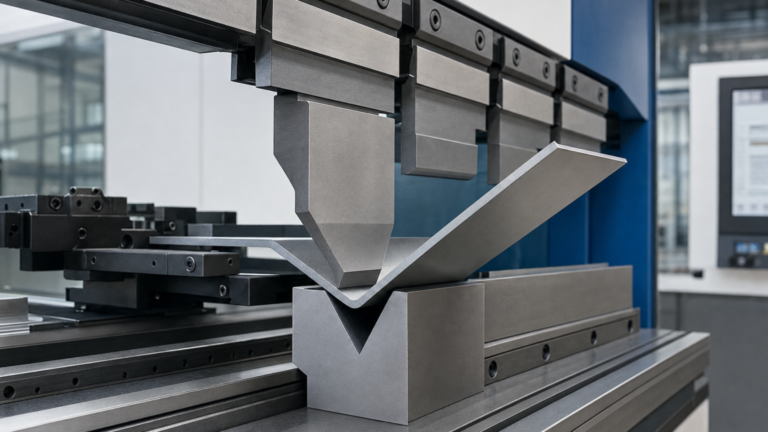
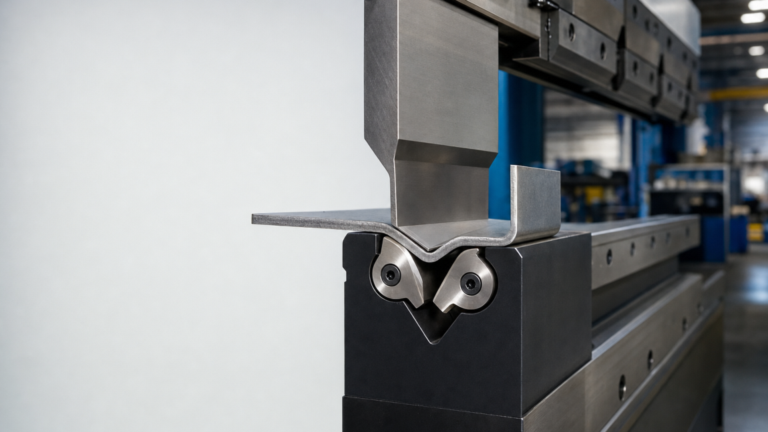
Wilson Tool’s August 28, 2026 FABTECH announcement gives fabricators a timely way to separate three bending decisions: clamping for tool-change delays, crowning for deflection-related variation, and custom tooling for difficult geometry. The existing brake still has to meet the part’s force, envelope, and control requirements.
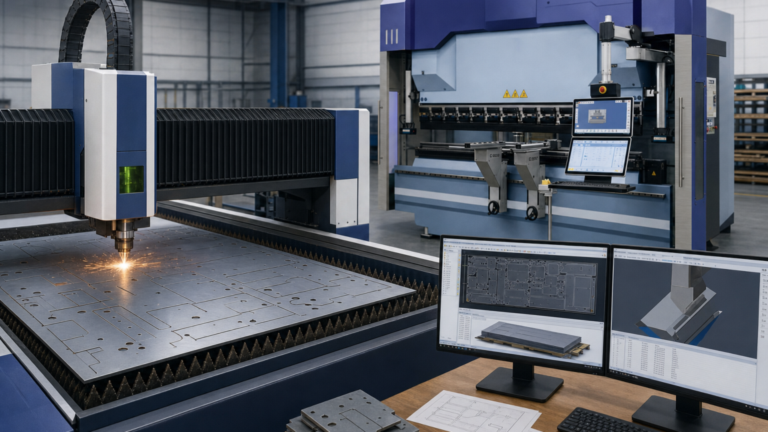
A hybrid press brake can improve a fiber-laser cut-to-bend route when forming, repositioning, programming, or tooling changes create the measured queue. The RYTECH FUSION is a candidate for that constraint, but the quoted configuration and the rest of the workflow must be tested before a faster brake is expected to balance production.
The 2026 U.S. machinery-order surge is a capital-investment signal, not a reason to buy automatically. For laser-to-bending shops, the RYTECH FORCE ONE should be evaluated against actual queues, parts, tooling, programming, and handling constraints.
A CNC press brake with special forming tooling can produce selected louvers, embosses, clips, countersinks, and extruded holes in laser-cut blanks. The practical boundary depends on feature geometry, blank preparation, tooling, machine access, changeover, and production volume.
An existing CNC press brake can often form a closed or gapped hem without moving the part to another forming machine. The right choice among a conventional two-hit sequence, two-stage die, bend-and-hem tool, and custom gapped tooling depends on material range, flange geometry, machine compatibility, surface requirements, and recurring production volume.
End of content
End of content