HSG R2 Tube Laser for Mixed Profiles
The HSG R2 is a dual-chuck tube fiber laser for round, square, and selected open-profile work. Compare actual profiles, cut geometry, stock limits, and required options with the offered configuration.
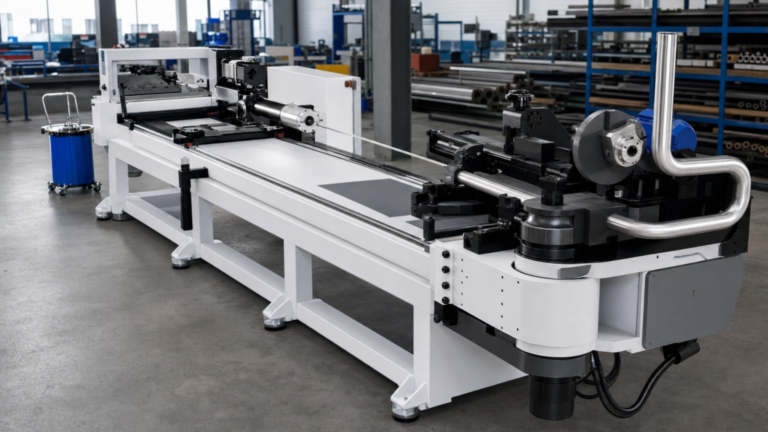
The AMOB CH Booster uses pressure-die booster assistance during rotary-draw tube bending. Learn where it may fit, how boosting can affect bend quality, and which part, tooling, and production details to verify before selecting a configuration.
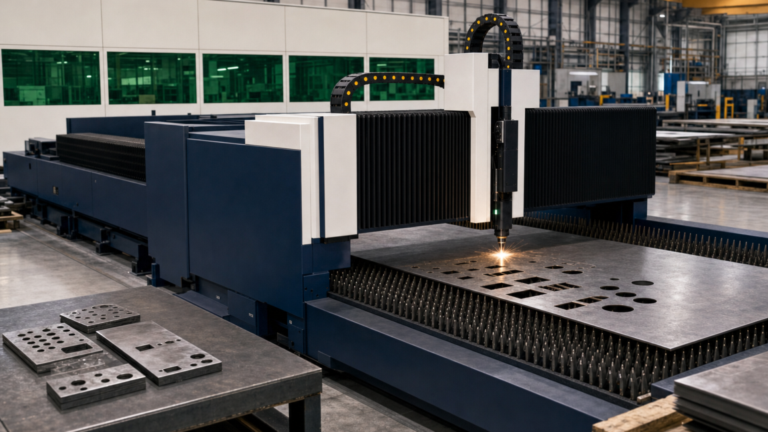
Aucto’s Otinus partnership puts new flat-sheet fiber lasers alongside used and surplus equipment in one marketplace. The shared search can simplify discovery, but buyers still need to compare each machine’s configuration, condition, support, site needs, and installed cost.
A tube laser can combine length cuts with selected feature-making, but the HSG R2’s fit depends on the actual profile, stock condition, tolerances, configuration, and batch pattern.
A fully electric right- and left-hand CNC tube bender fits high-mix shops when changing bend directions, radii, tooling, and part families make setup and reorientation a recurring production constraint. The decision still depends on representative-part testing and the exact machine configuration.
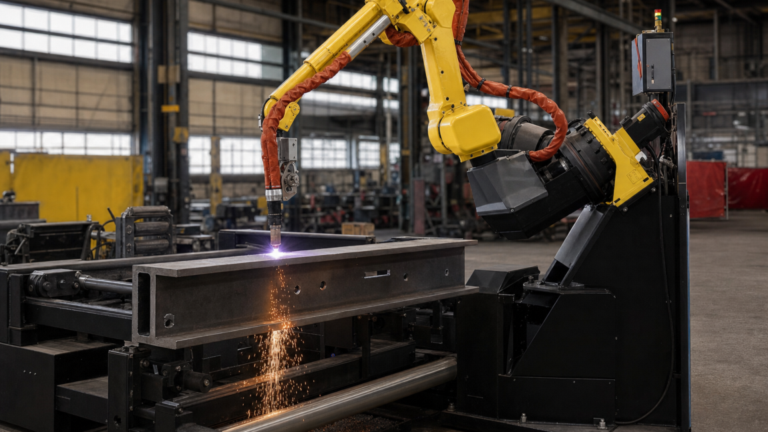
A used CNC tube laser is a capacity purchase only when it can run representative work safely and repeatably without rebuilding core systems. The HSG TS2 V2.0 provides a current benchmark for profile range, handling, controls, safety, and support.
The HSG TS2 V2.0 is worth evaluating when short-run tube work includes holes, slots, contours, or selected bevel and weld-preparation features—not just straight cuts. This guide explains where 3D tube-laser processing can improve routing and where a saw, drill, flat-laser route, or outsourcing may still be the better fit.
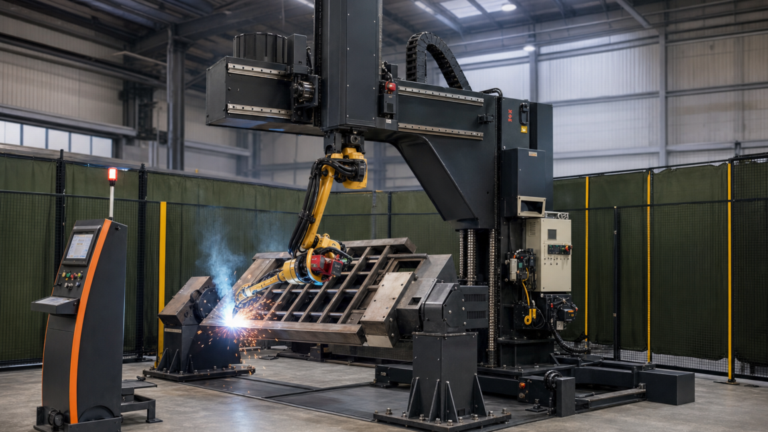
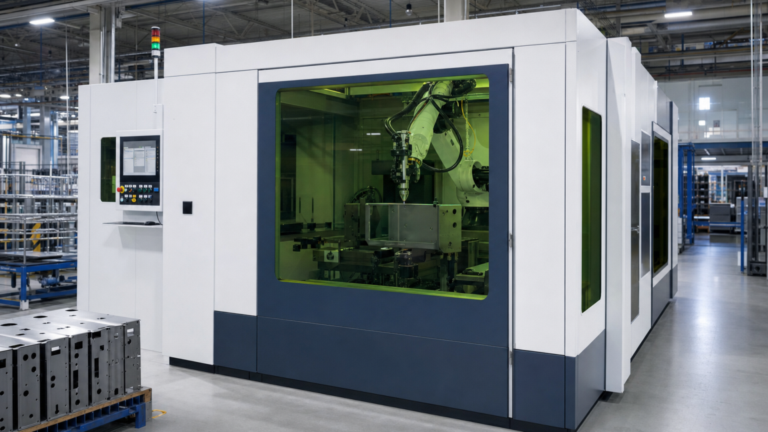
The TRUMPF TruLaser Weld 3000 is aimed at small-batch sheet-metal assemblies where compact robotic access, CAD-based programming, and repeatable fit-up can turn variable work into flexible laser-welding capacity.
Laser angle measurement is worth considering on a high-mix Ermaksan Power-Bend Pro when springback-driven correction hits repeatedly interrupt production. It is less useful when the actual loss comes from tooling, flat blanks, gauging, deflection, or programming.
End of content
End of content