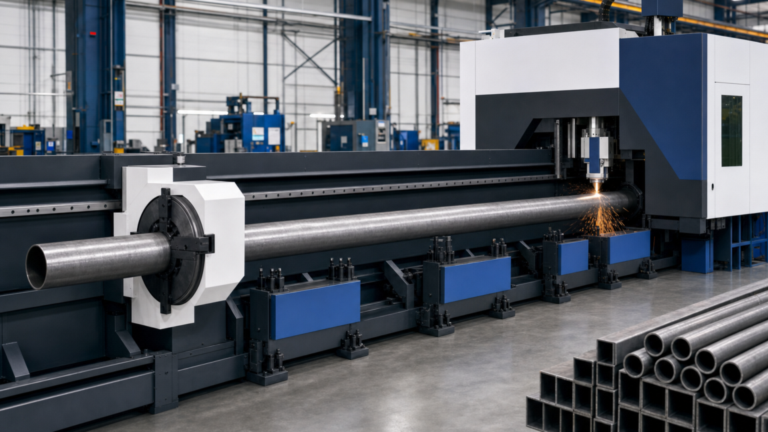
HSG Tube Lasers: What U.S. Fabricators Should Evaluate in 2026
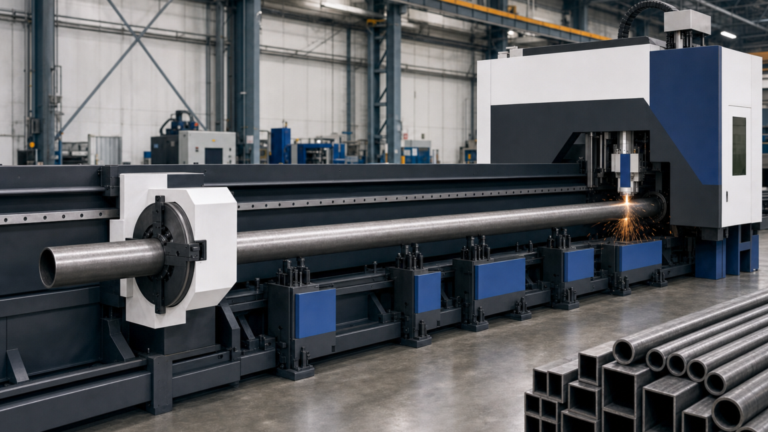
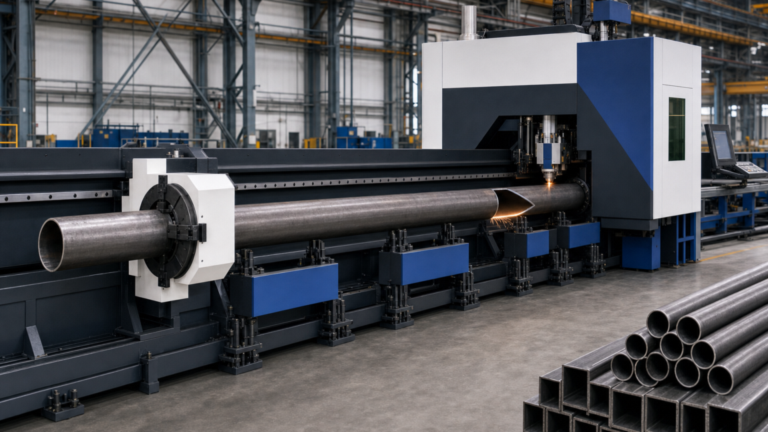
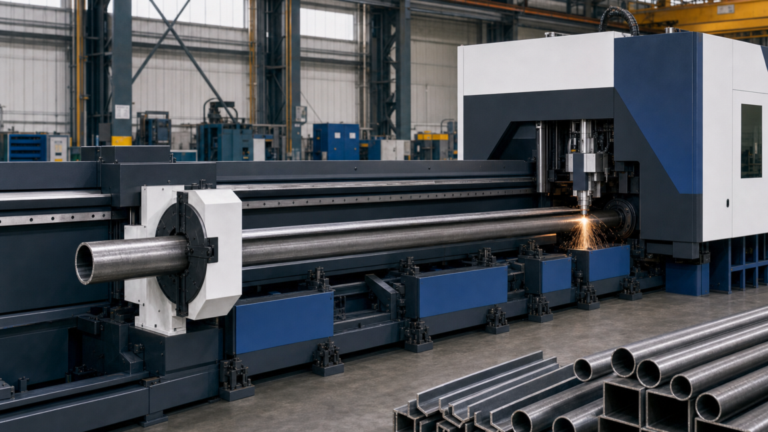
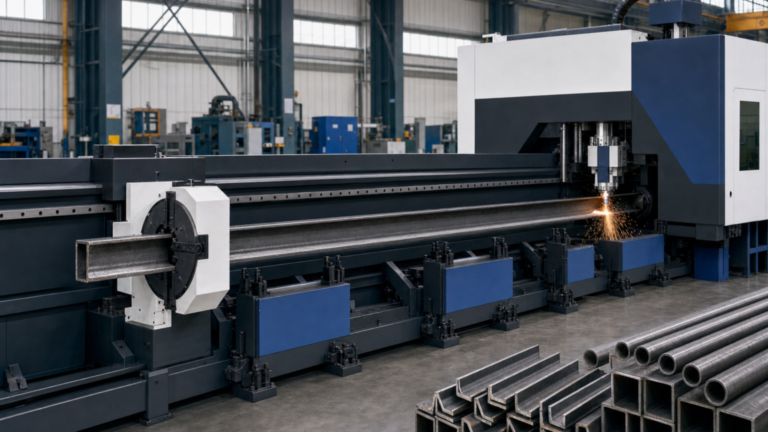
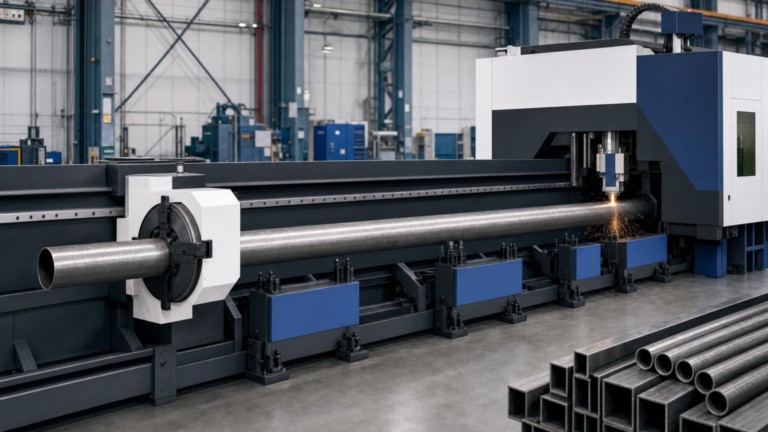
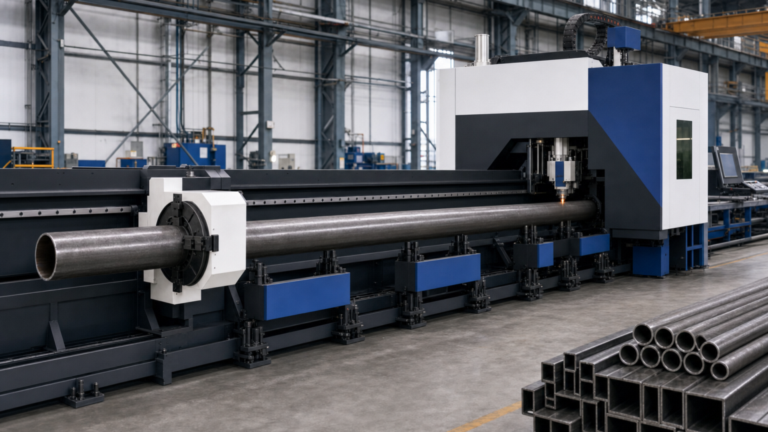
For U.S. fabricators, HSG Tube Lasers should be evaluated by part mix, automation, load and unload flow, bevel needs, and secondary operations.
How LA–Long Beach fabricators can anchor port infrastructure automation around HSG high-power plate and tube lasers, with focus on layout, commissioning, and ROI.
Midwest fabricators facing labor shortages and high-mix production demands are evaluating HSG tube fiber lasers for throughput stability, automation, and weld-ready bevel capability. This analysis breaks down chuck design, automation strategy, floor space, and downstream welding impact to help managers make a grounded investment decision.
Unlocking Efficiency: The Precision of Tube Laser Cutting
Tube Lasers: Revolutionizing Modern Structural Fabrication
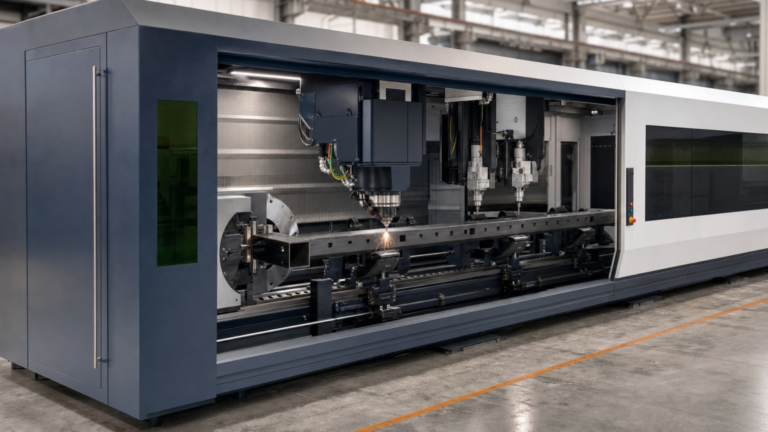
Fiber tube lasers are helping contractor and OEM teams eliminate manual sawing, drilling, coping, and grinding while improving weld fit-up and downstream consistency. Here is how to evaluate integration into a sheet-focused operation.
Flat and Tube Lasers: Revolutionizing Modern Fabrication
Fabrication leaders in Wisconsin, Minnesota, North Dakota, and South Dakota are rethinking older plasma and CO₂ workflows. Here’s how HSG fiber laser systems support higher throughput, tighter tolerances, and more predictable ROI.
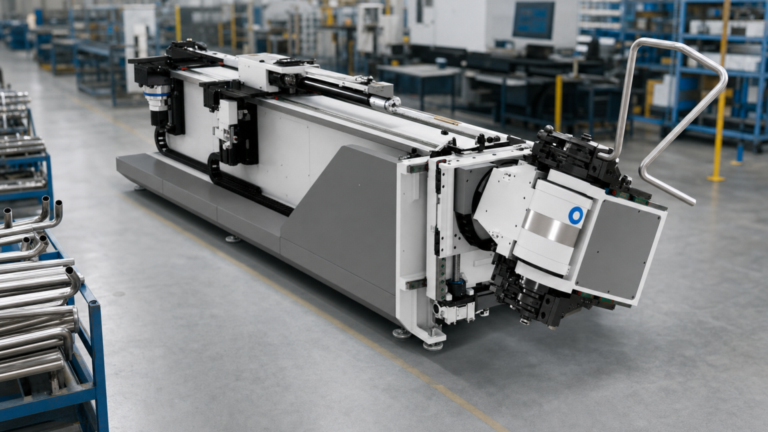
John Perry guides buyers to boost efficiency and profits by choosing the optimal Ermaksan tube laser or press brake system for their needs.
End of content
End of content