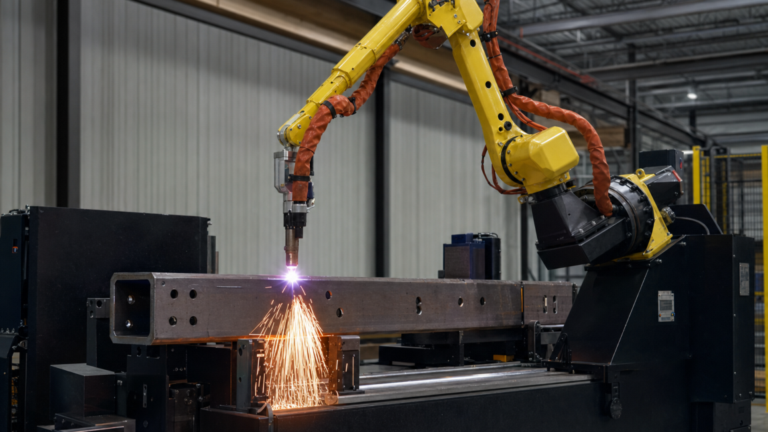
Prodevco PCR42 for Four-Face HSS Cutting
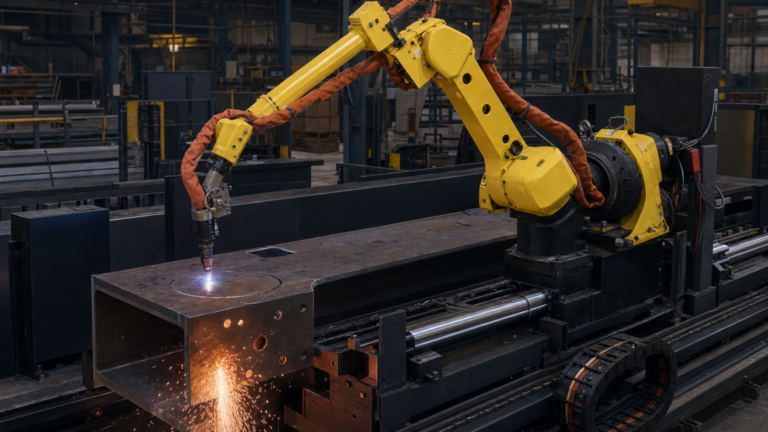
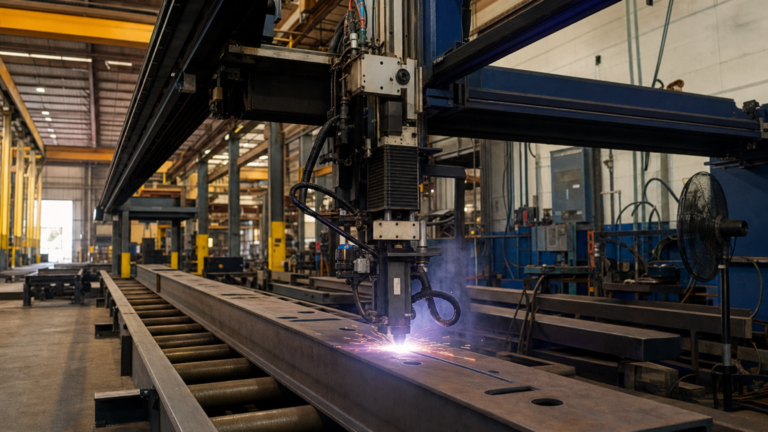
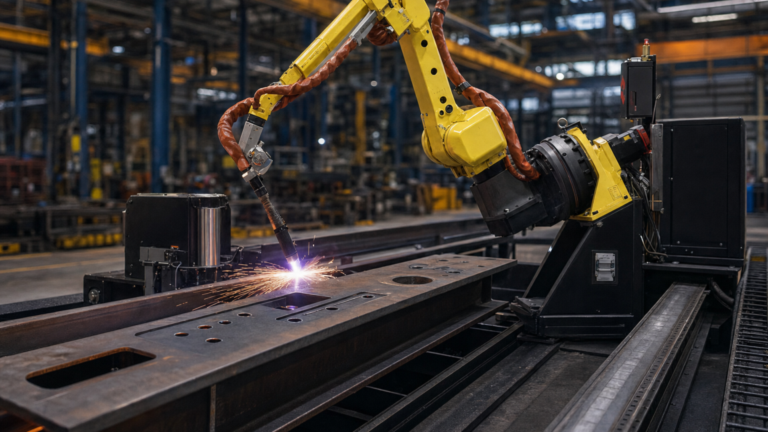
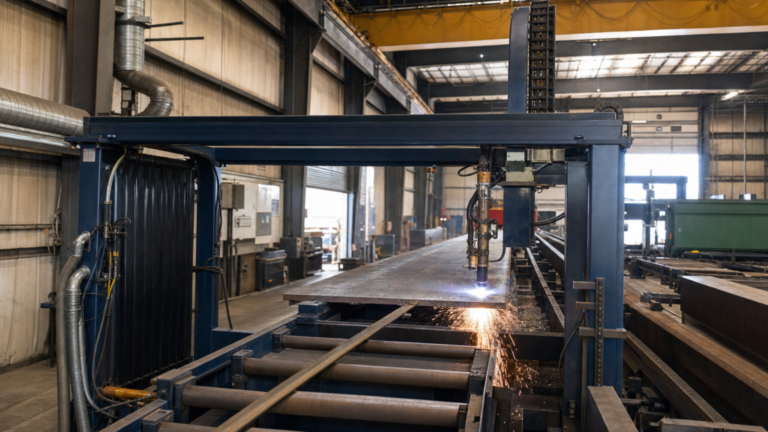
The PCR42 is worth evaluating for feature-rich HSS members and mixed structural-profile work. Its fit depends on geometry, incoming stock, required edge quality, and total processing time.

The PCR42 is worth evaluating for feature-rich HSS members and mixed structural-profile work. Its fit depends on geometry, incoming stock, required edge quality, and total processing time.
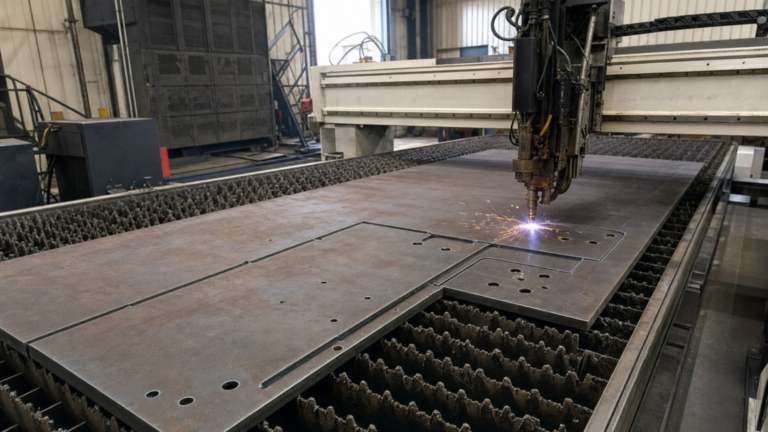
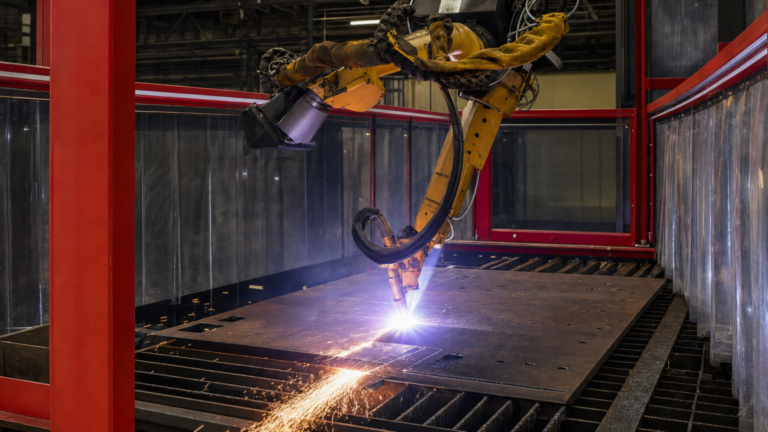
HySpeed’s August 18, 2026 launch adds an upgrade option for compatible Powermax SYNC tables. Evaluate recoverable plasma cycle time against the HSG GH’s cutting platform and optional sheet-handling automation.
The Prodevco PCR42 is specified to accept DSTV/NC1 files from detailing software such as Tekla and SDS2. That may allow a shop to retain its detailing platform, but compatibility depends on the contents and settings of representative exports.
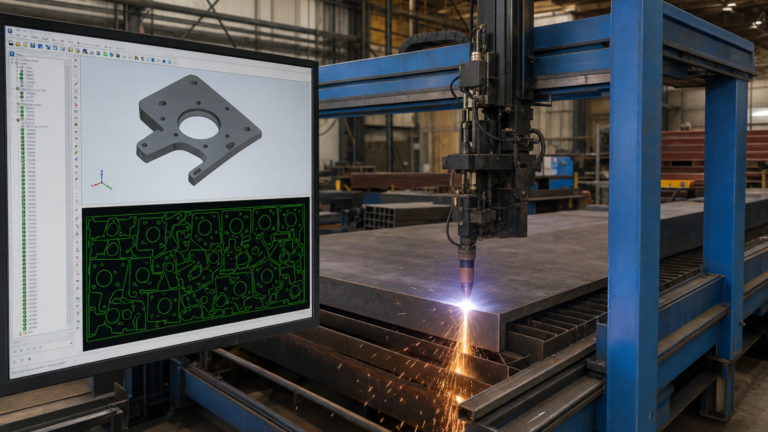
Use ProNest’s optional SOLIDWORKS interface when direct import removes a recurring 2D-file step from a supported CAD-to-CAM workflow. Keep DXF when an approved flat-pattern release already gives plasma programming a dependable profile.
The ADOP combines CNC drilling, tapping, countersinking, marking, plasma or oxy-fuel cutting, and beveling for structural plate parts that require several operations before welding or assembly. It fits best when reducing transfers and manual weld preparation matters more than maximizing one isolated operation.
A used 2015 PRODEVCO PCR42 can modernize structural beam preparation when the shop proves file compatibility, material flow, safety, and support for the exact machine before installation.
Weldall’s August 2026 Bay 5 completion creates a timely capacity question for Upper Midwest structural shops: does beam-feature preparation justify robotic plasma processing, or is the real constraint saw capacity, material flow, or downstream welding?
The PRODEVCO PCR42 fits a structural-steel capital plan when recurring beam and HSS work moves through several processing steps, reliable DSTV or NC1 data is available, and downstream capacity can use the output.
The AISC 360 and AISC 341 drafts do not require an immediate machine change. Structural shops should review contract requirements, approved detailing data, NC1 or DSTV release, measurement, marking, and inspection controls before changing production methods.
End of content
End of content