Should Your Second Fiber Laser Match the First?
Match a second flat-sheet fiber laser when interchangeable capacity is the goal. Choose a different platform only when it solves a measured format, material, thickness, or automation constraint.
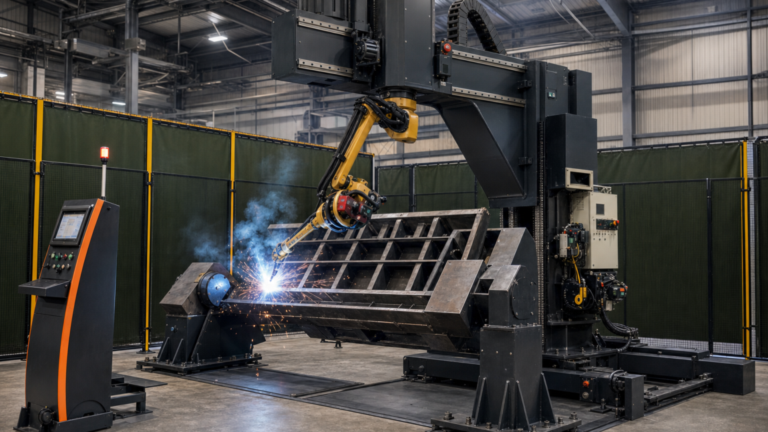
NovAI’s ABB and Yaskawa expansion changes the proof required in a robotic-welding capital review, but it does not justify delaying a needed structural-welding capacity investment.
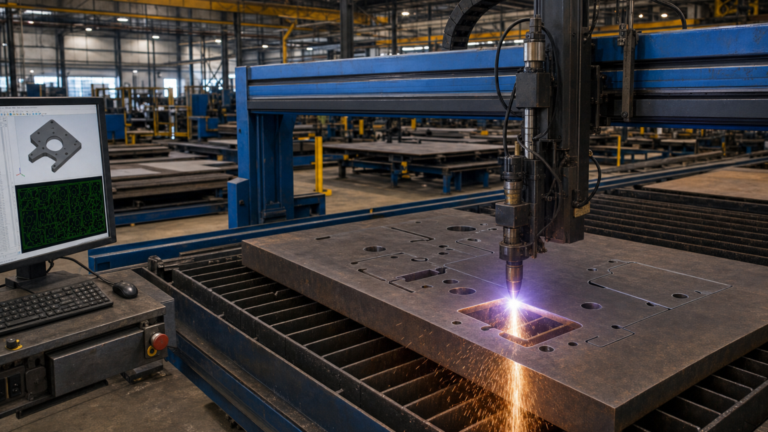
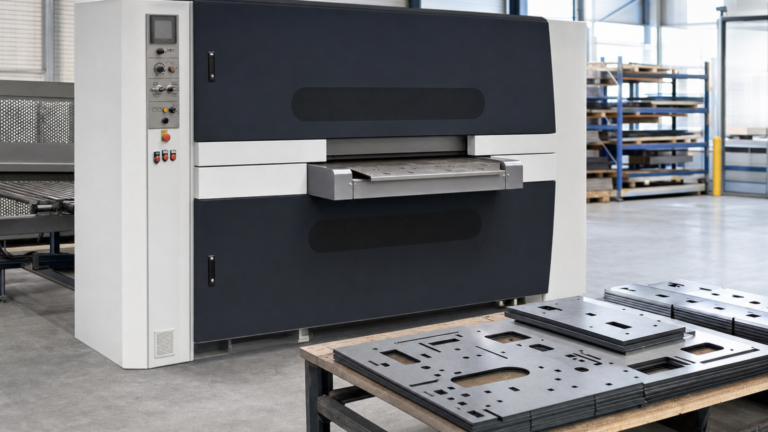
The HSG X3015 is worth evaluating as a second, satellite, or overflow 2D sheet laser when assigned work fits its compact sheet envelope and the plant can support the added output. Its portfolio value depends on floor layout, material mix, staffing, service, and downstream capacity—not laser power alone.
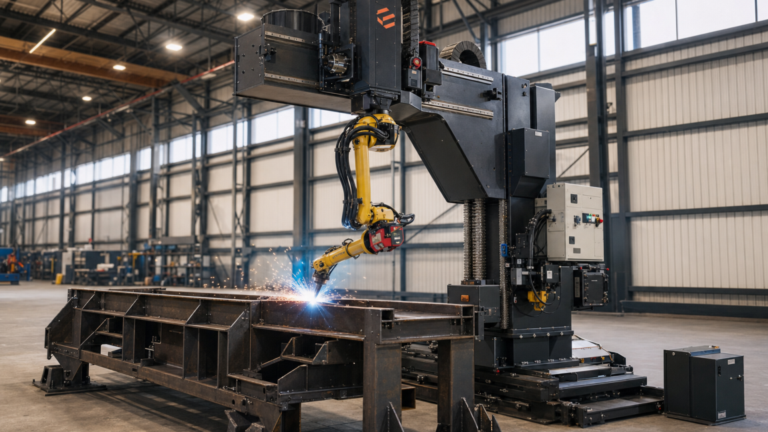
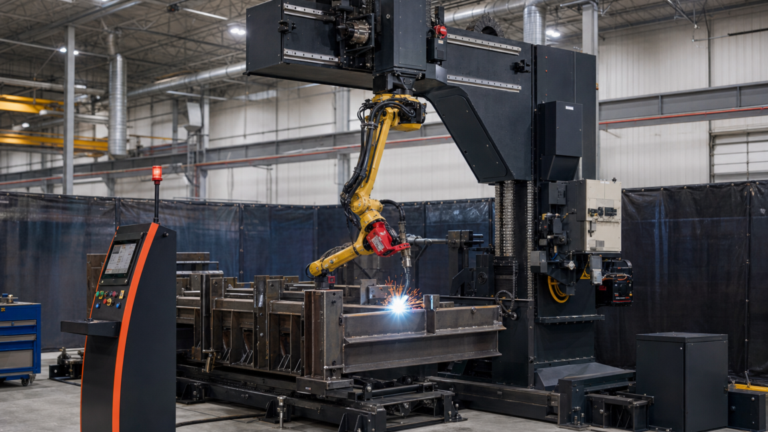
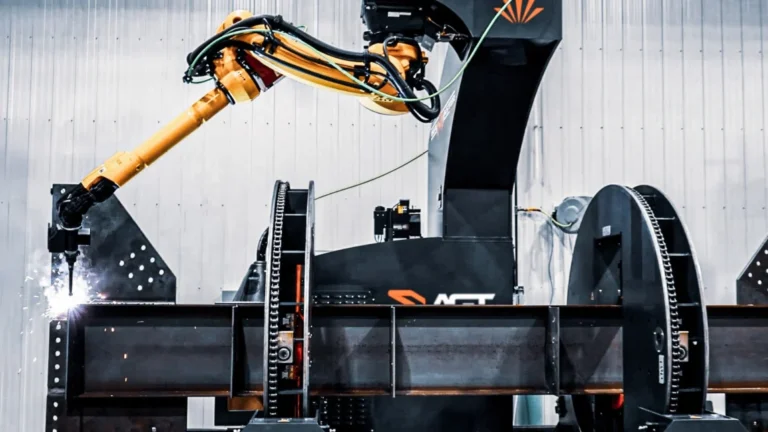
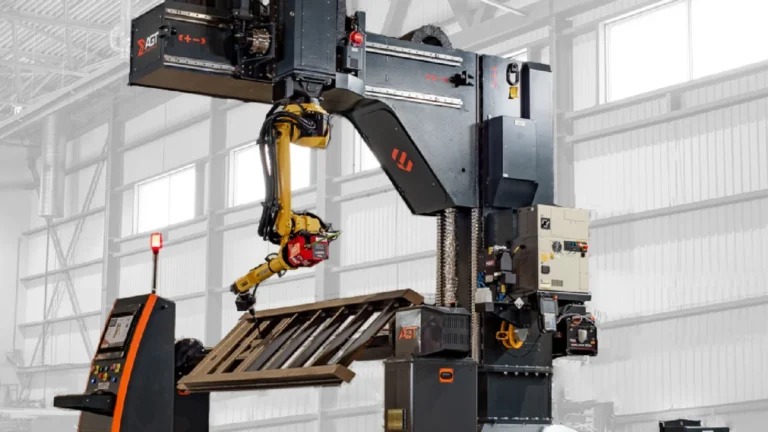
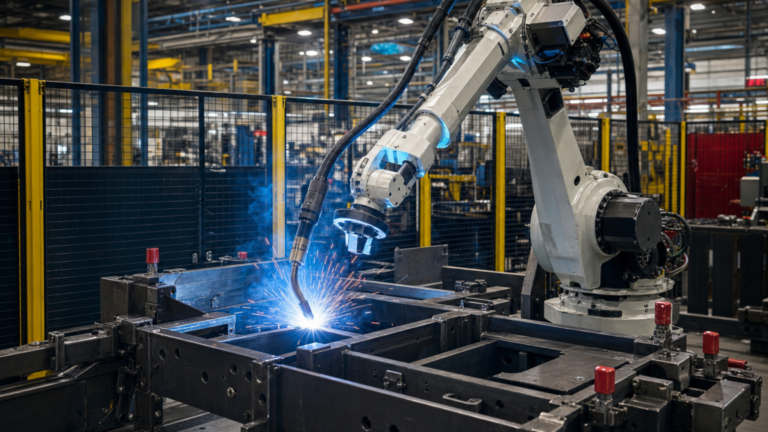
The AGT Robotics BeamMaster is a strong capital candidate when pre-fit structural assemblies, digital weld data, accessible joints, surface preparation, and sufficient volume are already controlled. When those conditions are missing, additional manual welding capacity, fitting improvements, or a staged automation plan may produce the better first result.
When a flat-sheet laser department is overloaded, the right investment depends on whether cutting time, available machine hours, or material handling is the constraint. Use the HSG G3015H and Store Pro 3015 as concrete options, then prove the choice with job-history and utilization data.
The 2026 U.S. manufacturing technology order record should trigger a bending-capacity review, not an automatic press-brake purchase. Use the Ermaksan EVO-III as a reference while testing workload, labor, workflow, and lifecycle economics.
An Ermaksan robotic or cobot-assisted bending project is ready for capital approval when representative production work can move through presentation, bending, deposition, changeover, recovery, inspection, and safeguarding without undefined manual work.
A 30 kW fiber laser with six-shelf automation needs more than a compelling part mix. The capital decision depends on controlled drawings, programs, material identity, quality requirements, and configuration evidence.
An automation project can have a sponsor, a bottleneck, and a budget estimate without being ready for engineering. Assign ownership for requirements, interfaces, acceptance, safety decisions, escalation, and post-launch value review before capital exposure expands.
End of content
End of content