AGT BLOK 400 vs. 500 for Heavy Weldments
Choose between BLOK 400 and BLOK 500 by testing required weld access, workpiece presentation, rotation, and positioner fit—not part size alone.

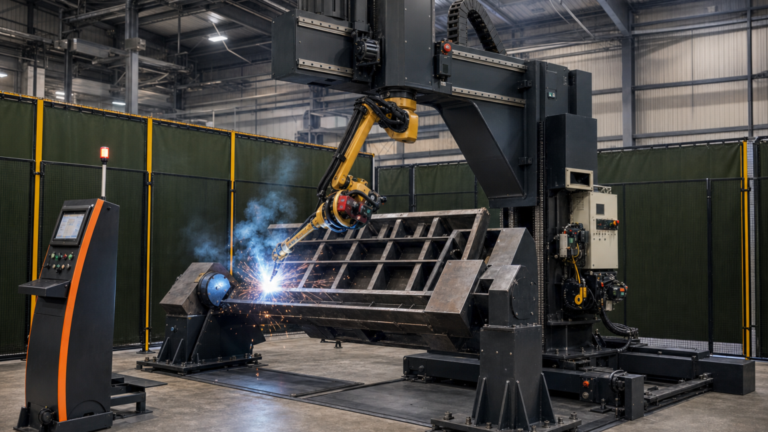
Choose between BLOK 400 and BLOK 500 by testing required weld access, workpiece presentation, rotation, and positioner fit—not part size alone.
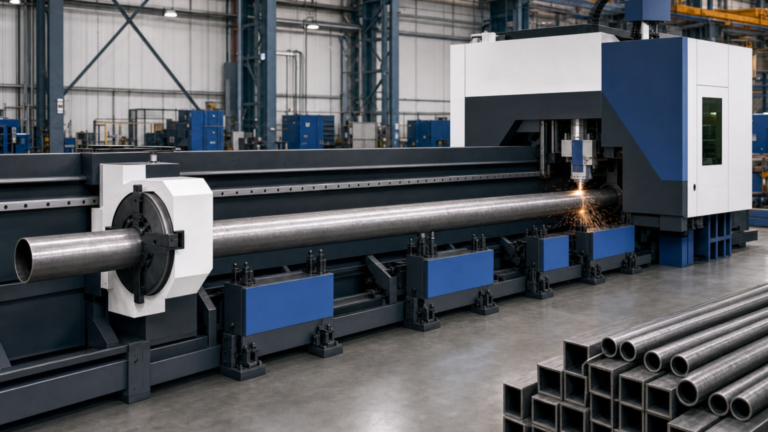
Buying tube-laser capacity should follow recurring compatible work, not total supplier spending. Use the HSG TS2 V2.0 to compare ownership costs, released capacity, configuration fit, and the flexibility of outsourcing.
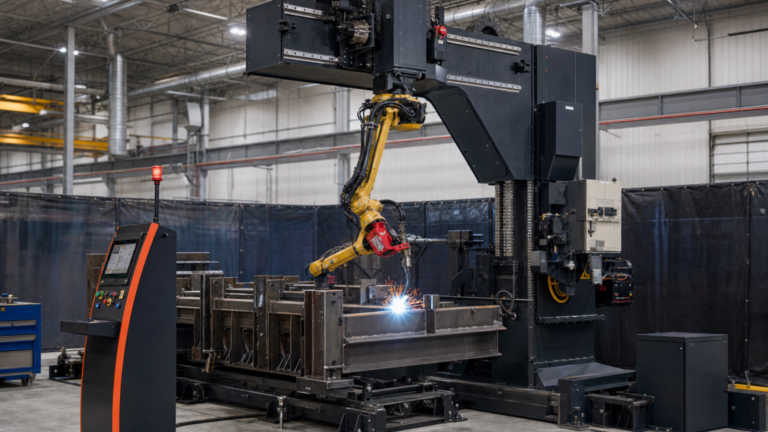
Rising metals-sector robot orders put the focus on phased welding investment. AGT BLOK offers a common machine family with travel, positioning and programming matched to each plant’s assembly mix.
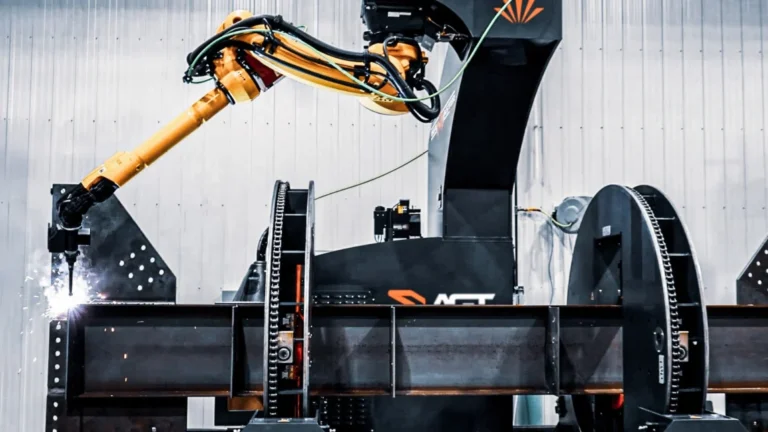
New MEP awards support automation assistance, not a published BeamMaster rebate. Evaluate the welding workload and complete cell investment.
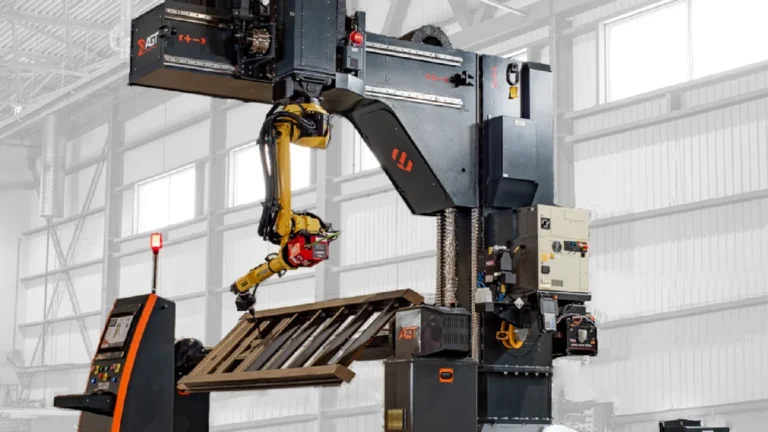
AGT BLOK fits large, variable weldments needing extended robot travel and configurable positioning. Evaluate usable welding capacity and the complete application under the revised R15.06 safety framework.
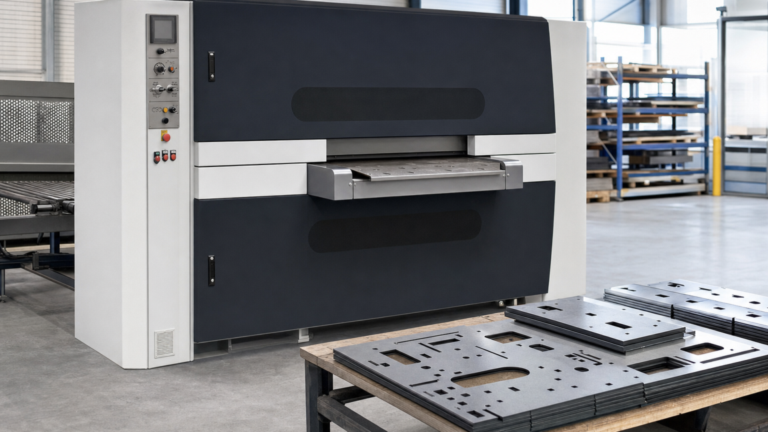
The LISSMAC SBM-M B2 is a candidate for recurring laser-cut steel edge preparation before coating. Compare suitable workload, demonstrated preparation time, installed expense, coating requirements, and future cutting plans.
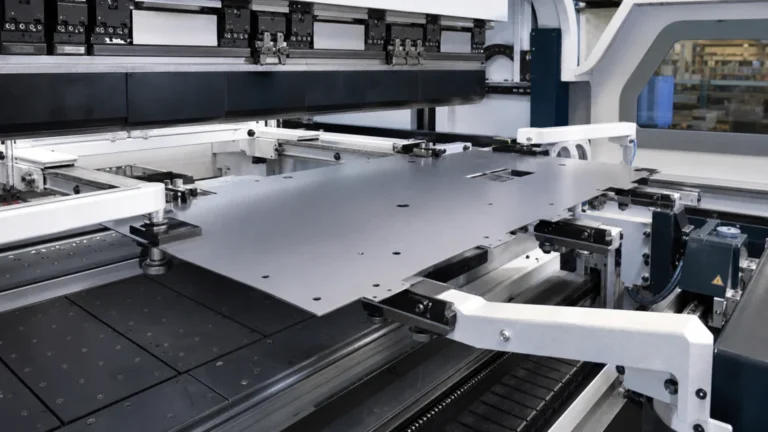
Cadrex’s new rack-focused capacity spans punch/laser processing, panel bending, robotic press-brake forming, hardware insertion, and welding. The investment illustrates a multi-process strategy—not a universal case for automation.
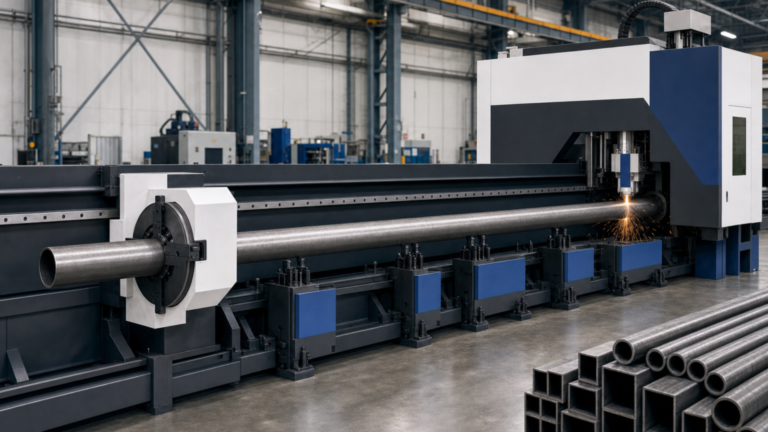
September 2026’s policy-rate increase calls for updated financing terms, not an automatic purchase delay. Evaluate the HSG R1 against recurring small-tube work, demonstrated production benefits, and the selected loading package.
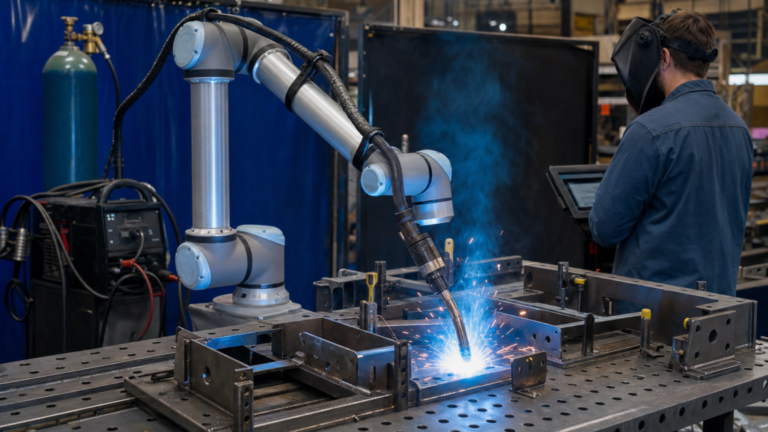
Long, continuous seams and limited repositioning are useful first signals when screening weldments for cobotic GMAW. Compare full-cycle results by part family before building a capacity case.
End of content
End of content