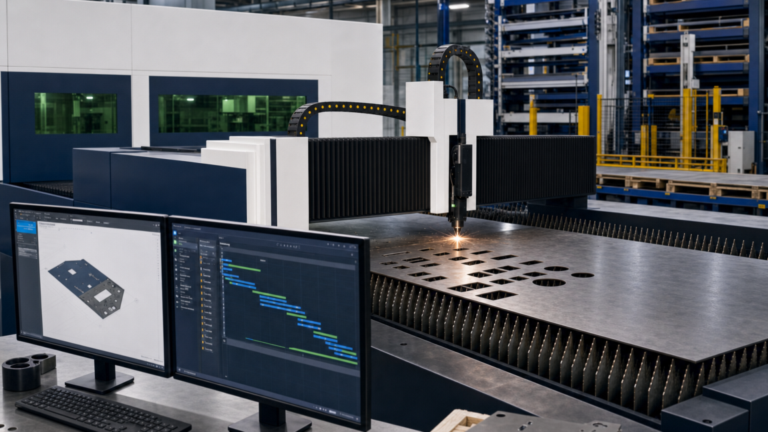
HSG GH Automation and U.S. Support
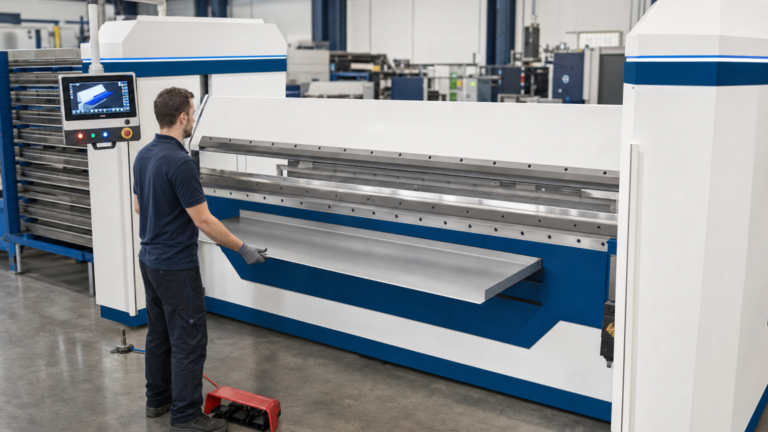
HSG’s reported 500th U.S. installation brings GH automation into focus: match optional Store Pro sheet handling to bending demand and configuration-specific support.

HSG’s reported 500th U.S. installation brings GH automation into focus: match optional Store Pro sheet handling to bending demand and configuration-specific support.
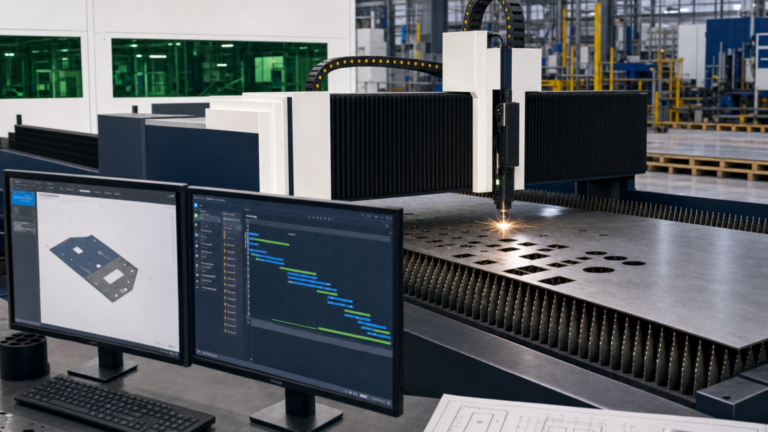
The HSG GV is worth evaluating when short contours and frequent direction changes constrain an older sheet laser. Compare its linear-motor platform, hydraulic exchange, and selected configuration on complete production nests at the required cut quality.
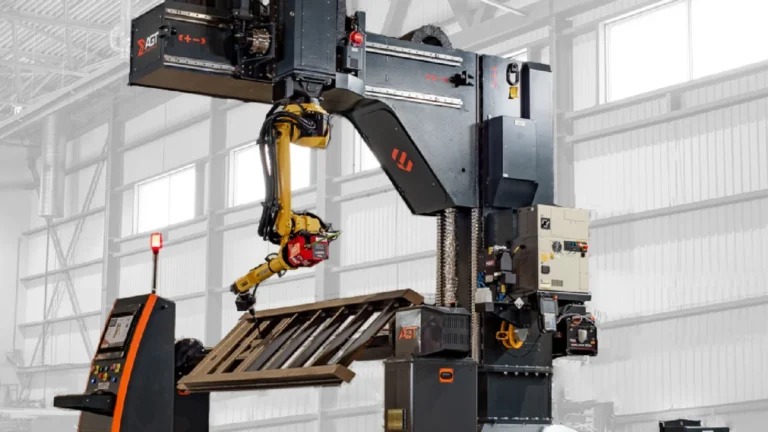
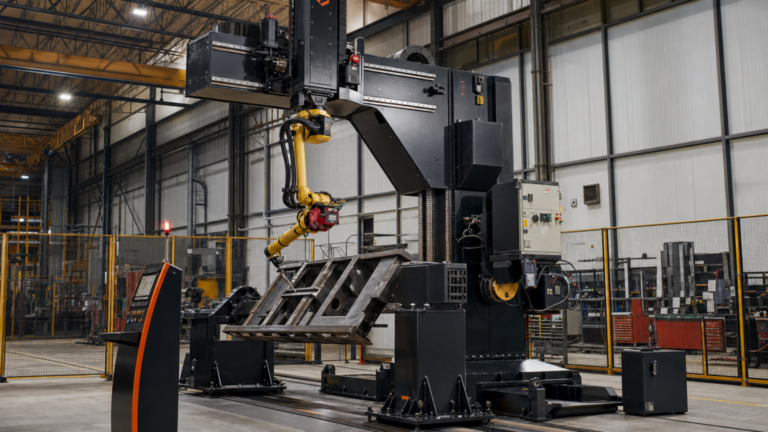
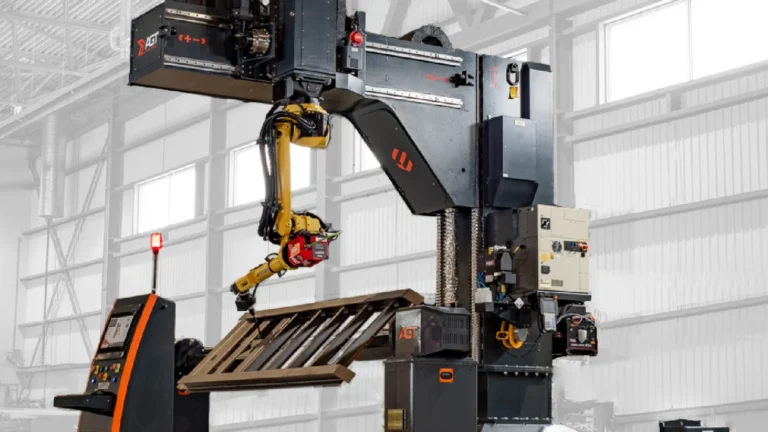
AGT BLOK fits large, variable weldments needing extended robot travel and configurable positioning. Evaluate usable welding capacity and the complete application under the revised R15.06 safety framework.
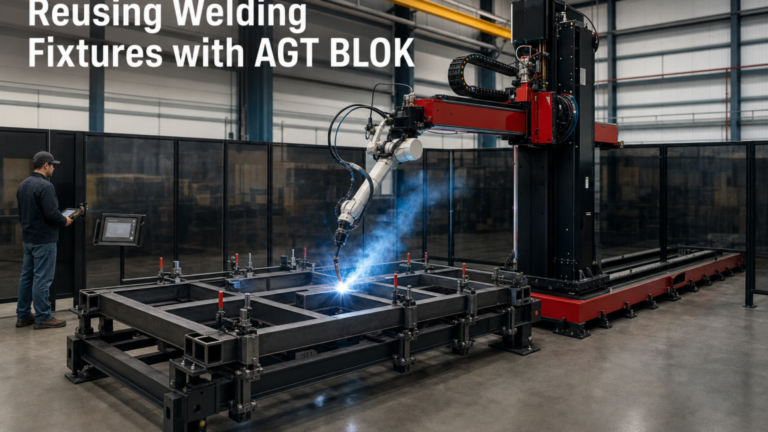
AGT BLOK supports customer-supplied tables or trestles. Evaluate whether existing welding fixtures should be retained, modified or replaced.
Reserve AGT BLOK service access alongside welding coverage and crane loading. Evaluate carriage positions, wire movement and electrical working space in the occupied bay.
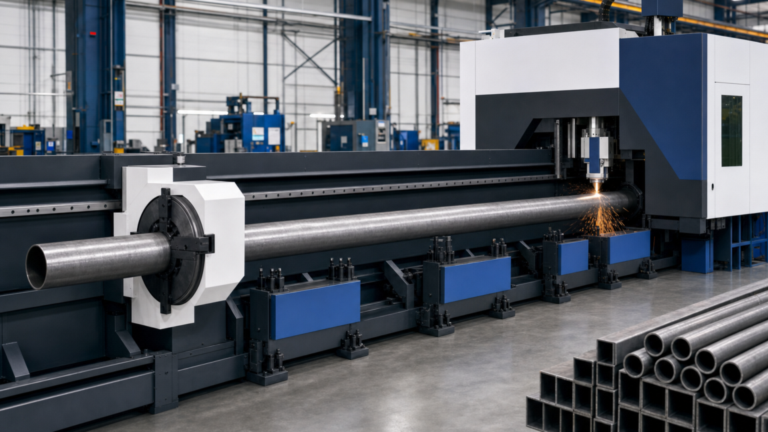
The HSG TS2 V2.0 merits consideration for long, feature-rich tube components. Its follow-up support and length-responsive unloading make finished-part length, loader limits, and complete-cycle output central to selection.
Schröder’s August 18, 2026 gantry announcement adds loading and unloading around its MAK 4 Evolution UD. Compare that handling scope with operator-assisted ERBEND MFE folding.
A SnapCam-equipped AGT BLOK can adjust a weld path to measured joint position. Fit-up, assembly stability and torch access still need separate control.
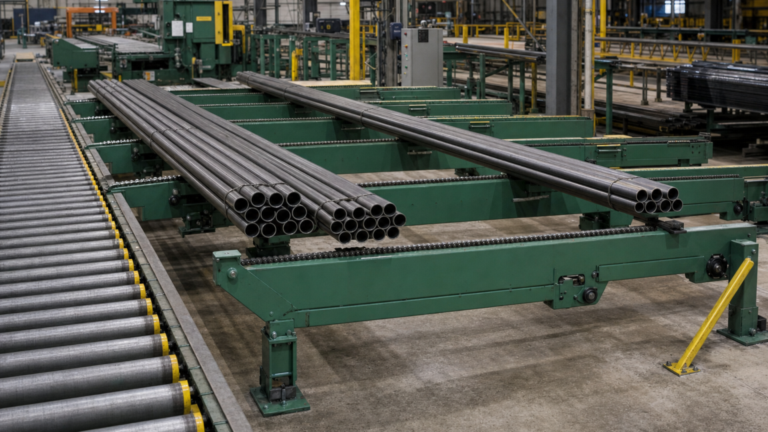
Compare sliding and lifted lateral transport for structural-steel staging, loading and discharge. Required travel, profile support and moving-load capacity—not storage space alone—determine the useful fit.
End of content
End of content