Turning Your PO into Machine-Ready Job Data for Stefa Coil-Fed Roll Forming Lines
Turn your PO into machine-ready job data for Stefa coil-fed roll forming: standardize material/coating specs, slit/CTL intent, recipe fields, and the OSHA SDS gate.
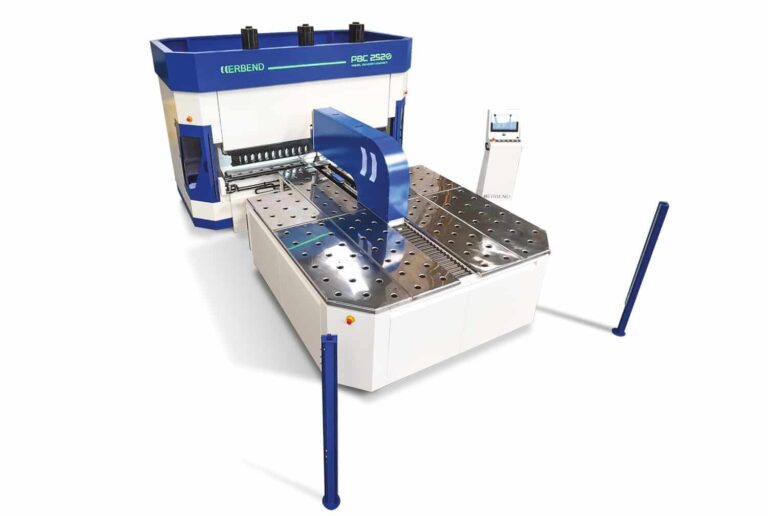
Erbend folders can reduce manual handling on long sheet parts, support one-operator workflows, and give roofing, HVAC, and sheet-metal shops a staged automation path.
Pat O’Neill frames the Coil-Fed Staged-Upgrade Playbook around the first decision shops face: folding, roll forming, or upstream coil processing.
Compare Erbend single-station, combi, and up-down folders for roofing, architectural sheet metal, and HVAC work by part mix, setup time, and handling.
A practical Chicago shop-floor guide to deciding when an Erbend folding machine may reduce setup, handling, and repeat-profile bottlenecks.
Louisiana roofing and sheet metal shops can evaluate coil-fed roll forming and folding to improve repeatability, material flow, and trim accuracy.
How Los Angeles roofing and architectural sheet metal teams can evaluate coil-fed long-length panel production, roll forming and folding lines, and staged automation upgrades under California Title 24.
Material handling and setup variability often cost more than machine speed in roofing and sheet metal fabrication. This operations-focused explainer shows how Stefa coil-fed forming systems reduce touches per part, improve ergonomics, and support staged automation with practical ROI planning.
A practical comparison of Erbend panel benders and press brakes for architectural, roofing, and HVAC work—focused on setup time, ergonomics, and workflow fit.
End of content
End of content