ACT Dust Collectors for Laser Cutting Cells: What Shops Should Check Before a Fiber Laser Upgrade
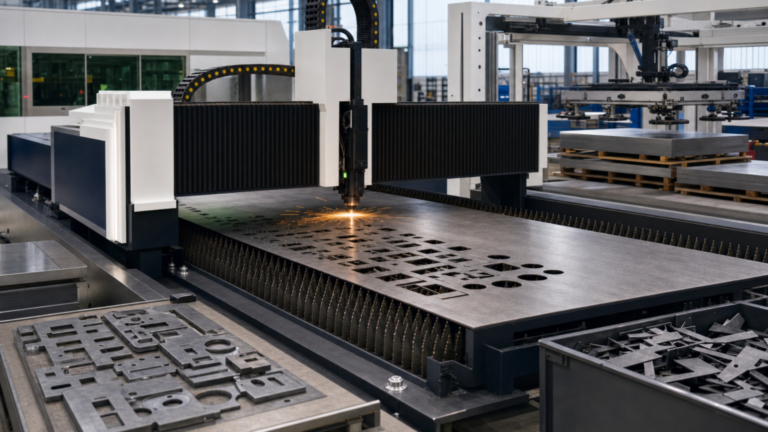
Compare ACT Dust Collectors for laser cutting cells, including LaserPack 8 and the ACT 3-6, with a focus on capture, access, airflow, and uptime.
Joliet fabricators can judge used laser cutters and press brakes by inspection depth, controls, safety, and automation fit—not sticker price alone.
A practical look at when RFID and intelligent cabinets improve inventory visibility, device accountability, and shift readiness without a full overhaul.
Older fiber laser cells often benefit from a phased retrofit plan: loading and unloading first, then part sorting, then material transport.
When a station depends on operator feel, inconsistent part placement, or manual handoffs, repeatability can become the constraint. Mac-Tech helps manufacturers evaluate, design, and support automation that makes the process more consistent.
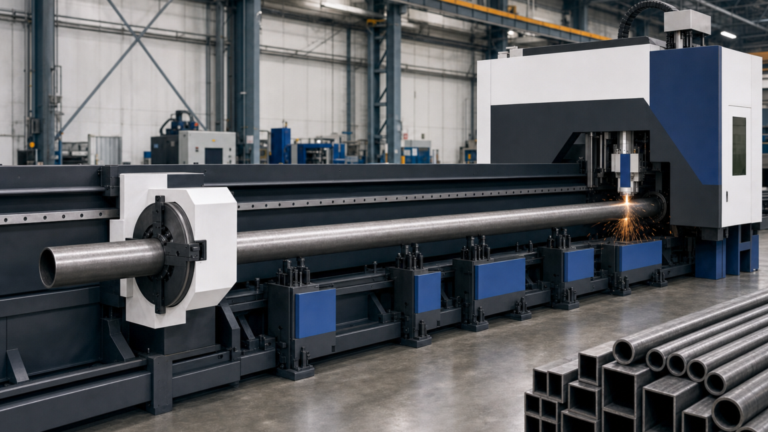
For U.S. fabricators, HSG Tube Lasers should be evaluated by part mix, automation, load and unload flow, bevel needs, and secondary operations.
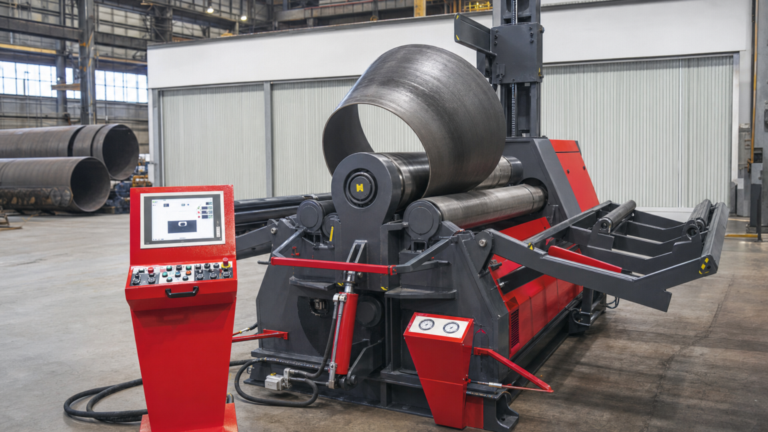
Houston heavy fabricators evaluating Akyapak plate rolls should compare part mix, thickness, and setup repeatability before they buy, especially on repeat curved work.
Chicago metro fabricators can compare Ermaksan servo-electric, hybrid, and hydraulic press brakes by energy, upkeep, setup speed, safety, and staged automation.
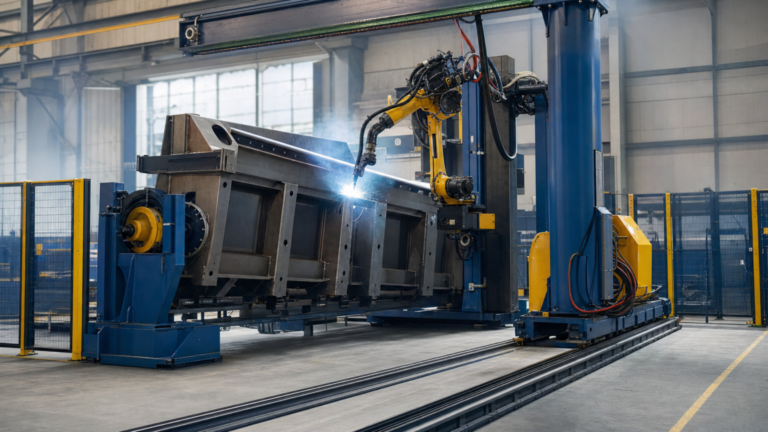
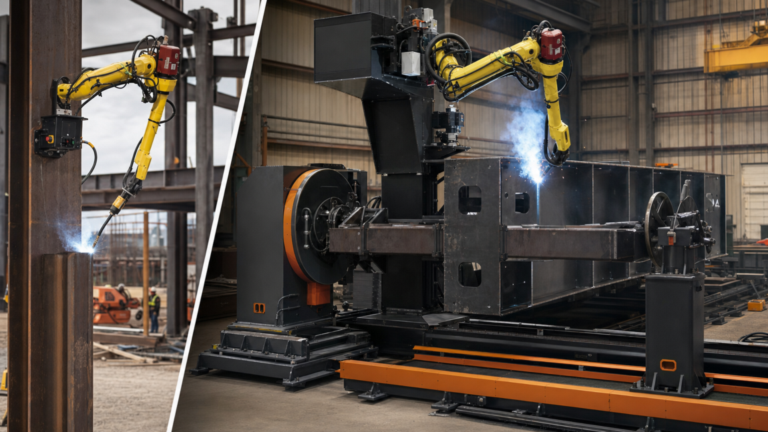
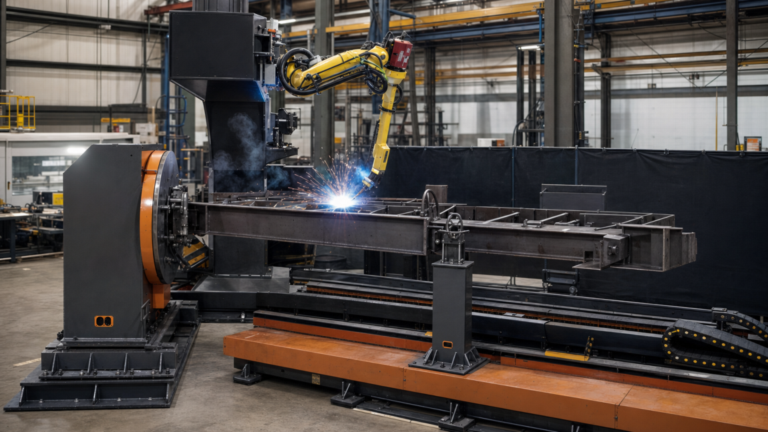
AGT’s Cortex and BeamMaster target the robot-programming bottleneck in high-mix structural steel, but buyers still need to validate fit-up, integration, training, and ROI.
End of content
End of content