Buying AGT Robotics for High-Mix Structural Steel: Evaluate the Cell, Not Just the Robot
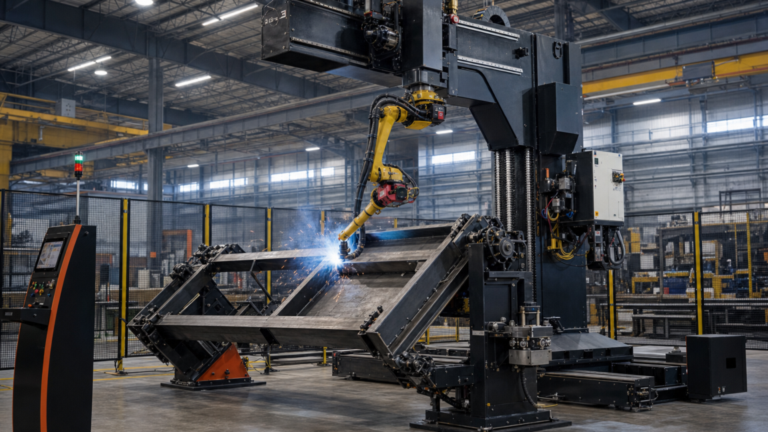
AGT Robotics may fit high-mix structural steel, but the real buying test is the full cell: part mix, fixtures, programming, training, and safety.
Evaluating Ermaksan press brakes for high-mix U.S. fabricators requires more than checking tonnage and bed length. This executive framework explains how machine architecture, CNC controls, crowning, backgauging, automation readiness, and service planning influence throughput, labor utilization, and capital risk in 2026.
In the Quad Cities, where agricultural and heavy equipment manufacturing anchor the regional economy, fabricators face high-mix, mid-volume pressure. Here’s how Amada punch-laser systems and automation can streamline routing and material flow.
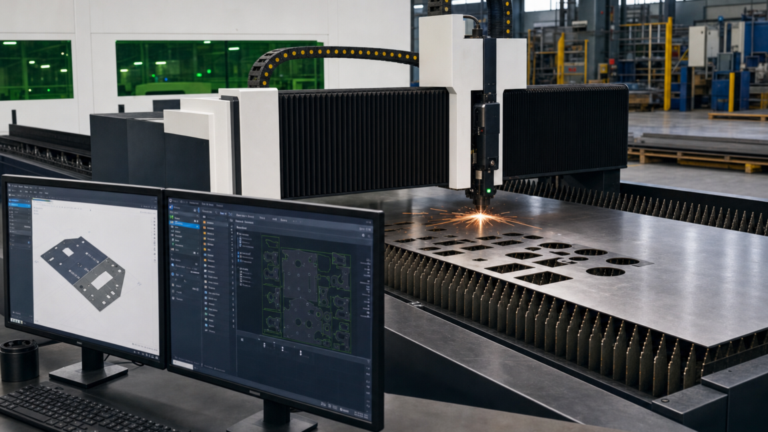
For Midwest job shops and OEM suppliers managing high-mix, low-volume production, integrating TRUMPF TruLaser 2D systems with modular automation, storage towers, and Oseon production software can stabilize throughput, reduce manual material handling, and improve scheduling visibility without overselling ROI promises.
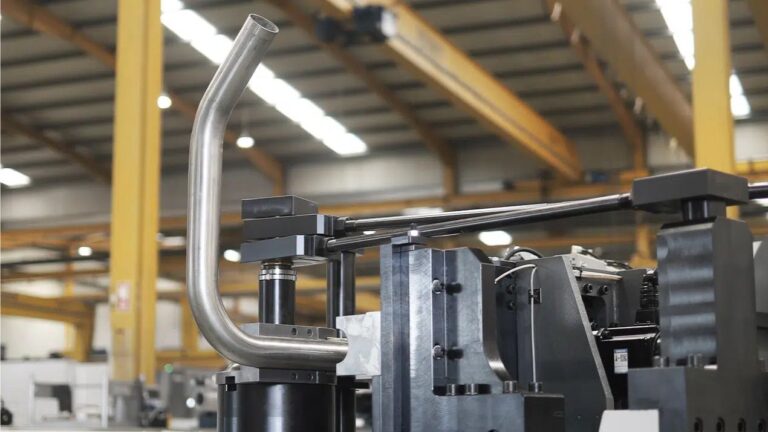
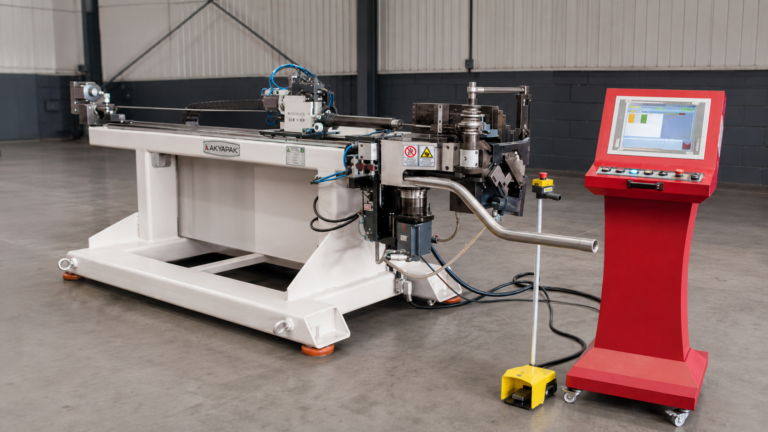
High-mix tube fabrication in the Western U.S. demands repeatability without over-automation. This analysis reviews Ercolina CNC rotary draw systems and provides a practical framework for leaders evaluating throughput, labor scalability, and workflow integration.
A practical evaluation of Ermaksan CNC crowning, closed-loop Y1 Y2 servo-hydraulic control, and multi-axis backgauges for high-mix aerospace, defense, and structural fabrication in the U.S.
Midwest fabricators serving agriculture, transportation, and heavy equipment markets face high-mix production pressure and skilled labor shortages. This analysis examines how Amada’s robotic press brake systems and integrated offline programming platforms affect setup time, consistency, labor allocation, and workflow integration in Illinois and Iowa shops.
For U.S. metal roofing manufacturers, the decision between an automated panel bender and a CNC press brake is not about machine speed alone. It is about labor structure, setup time, material flow, integration with coil or laser systems, and long-term capital strategy.
A strategic evaluation framework for Western U.S. fabrication leaders deciding between panel benders, double folders, and traditional press brakes in high-mix architectural and light structural metal folding environments.
End of content
End of content