Hydraulic Shear Setup for Narrow Strips
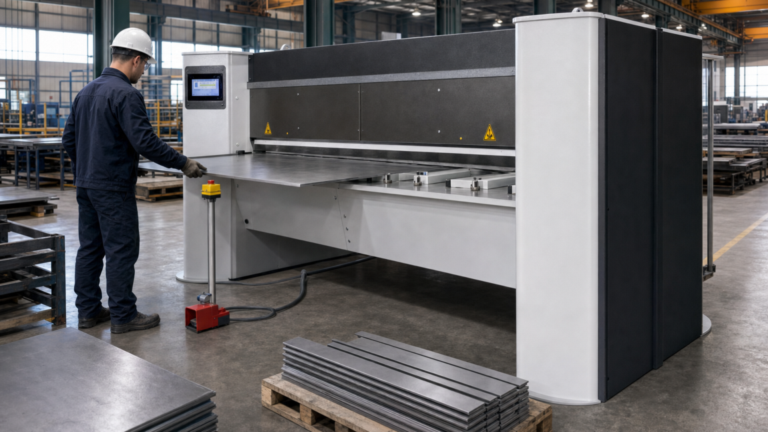
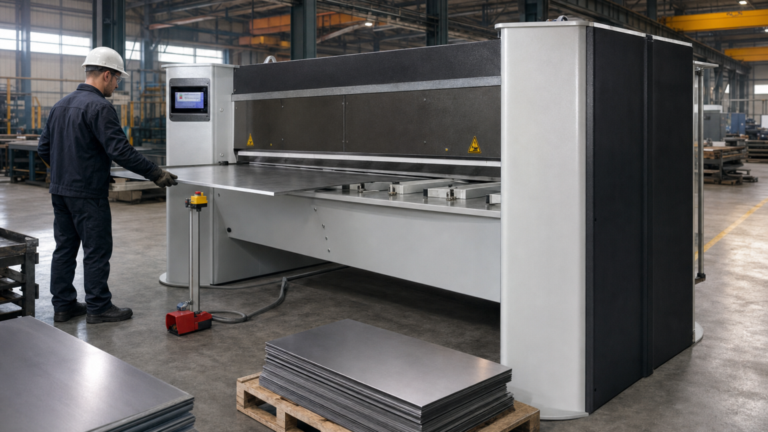
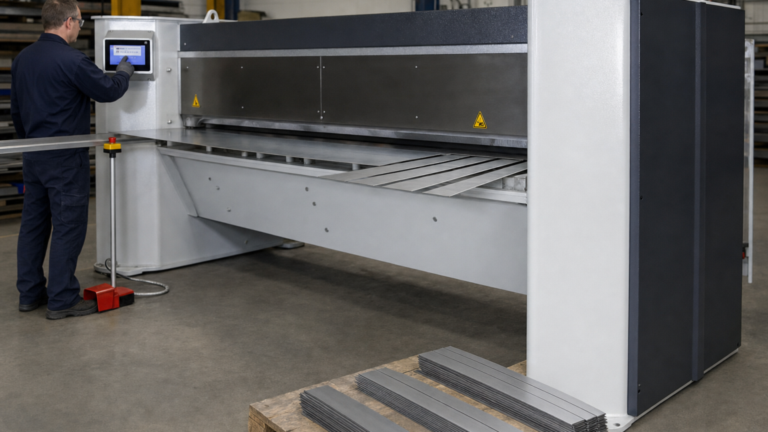
Correct width alone does not make a narrow strip suitable for forming. Evaluate the HOCHSTRATE hydraulic plate shear around blade settings, feed-stock retention, support and representative formed blanks.

Correct width alone does not make a narrow strip suitable for forming. Evaluate the HOCHSTRATE hydraulic plate shear around blade settings, feed-stock retention, support and representative formed blanks.
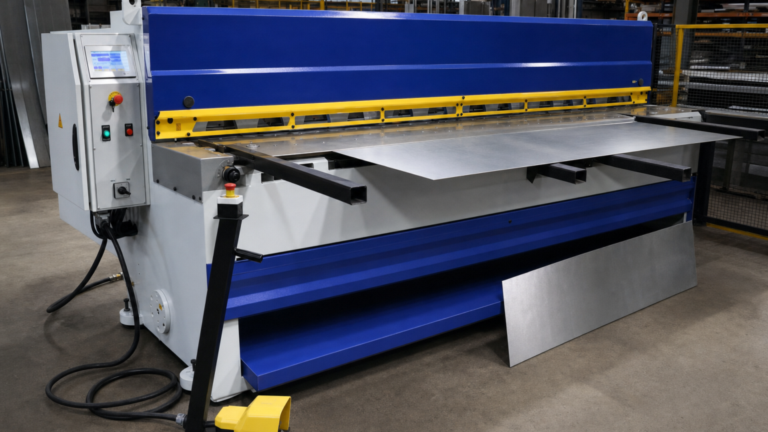
The HOCHSTRATE HYDRAULIC PLATE SHEAR is suited to recurring straight cuts into strips and blanks. Match the quoted machine’s capacity, positioning, blade setup, support, and discharge options to the work.
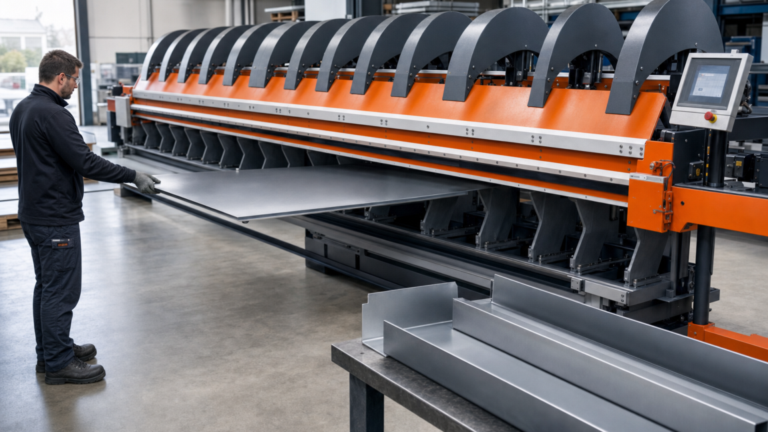
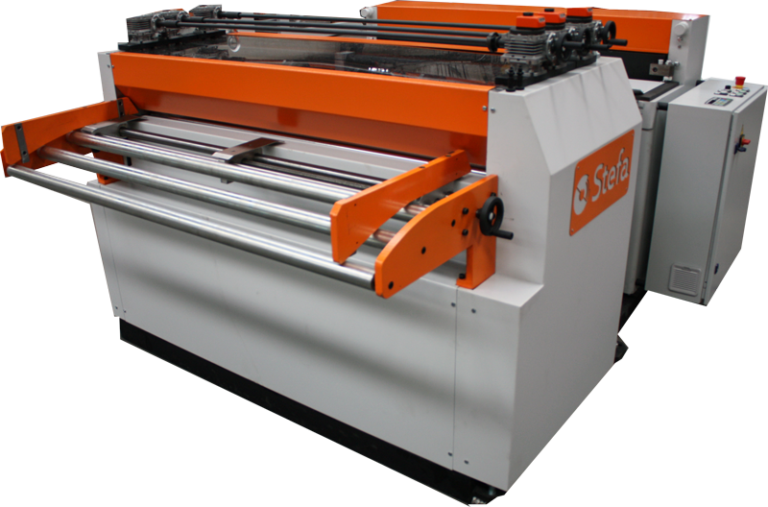
The STEFA VH315 combines folder bending with a built-in shear and slitting function for suitable thin-sheet profiles. It fits variable roofing trim, flashings, rectangular profiles, narrow U-flanges, and custom architectural work when the material, blank, geometry, and feature requirements stay within the machine’s envelope.
CMG’s new Omaha distribution facility makes sheet-to-part material flow worth revisiting, but the machine choice still depends on whether a shop needs batch blanking or continuous coil processing.
Choose a variable-rake guillotine shear for frequent changes in material and thickness; choose a swing-beam shear when repeat work fits a narrower capacity and adjustment range.
The Mac-Shear MRGM 3060-04 fits fabricators whose repeat work is mostly straight strips, rectangular blanks, and flat panels, provided the cut list stays within the machine’s listed 4 mm or 9-gauge steel rating and the 3060 mm or 10-foot model designation matches the actual sheet-handling plan. Its backgauge, squaring equipment, ball-transfer table, multi-edge blades, and optional controls support repeatable blank preparation, but geometry, alloy, handling, guarding, and downstream flow determine the final fit.
A hydraulic guillotine shear suits flat blanks headed to folding, bending, or staged fabrication. A profile-specific in-line cutoff belongs in a roll-forming line where formed panels must reach runout, stacking, and packaging without interrupting material flow.
Setup reduction isn’t a single spec. Validate a Stefa coil-fed workflow—from decoiler to double roll former to cut/stamp and stacking—end to end.
Upgrade your coil-fed workflow with Stefa LCAS/LC: validate straightening/leveling, slitting + transverse cut quality, repeatable job changes, and OSHA guarding/LOTO.
End of content
End of content