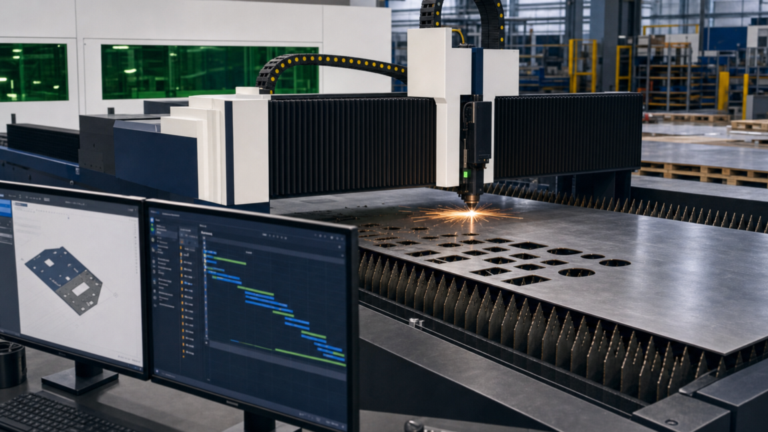
HSG GFA Large-Format Fiber Laser
The HSG GFA is a large-format fiber laser for flat-sheet and plate cutting. See when recurring oversized work, material handling, configuration, and downstream capacity support a dedicated machine.

The HSG GFA is a large-format fiber laser for flat-sheet and plate cutting. See when recurring oversized work, material handling, configuration, and downstream capacity support a dedicated machine.
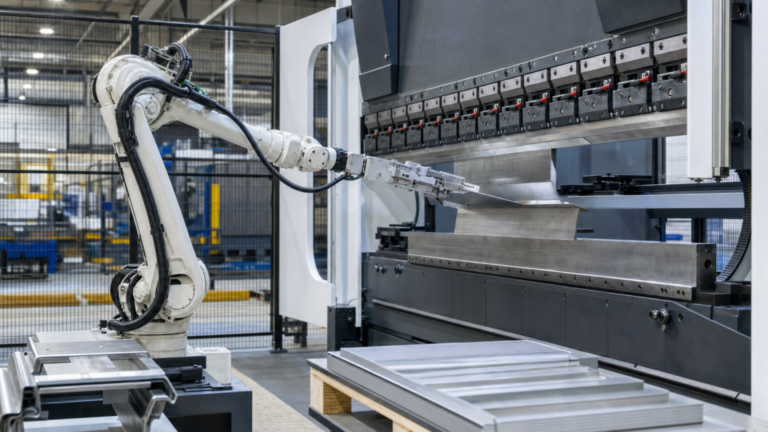
Robotic press-brake cells are worth evaluating for recurring rack and enclosure parts with multiple bends when handling and repositioning constrain production. Compare the full cell with panel bending and conventional braking using representative parts, realistic volumes, and actual handling requirements.
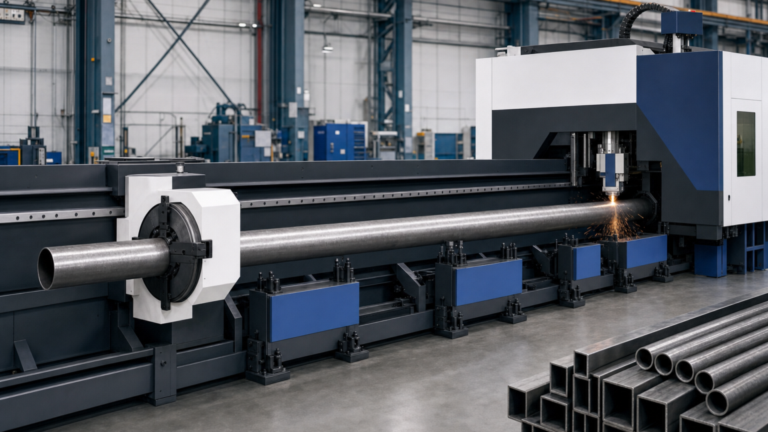
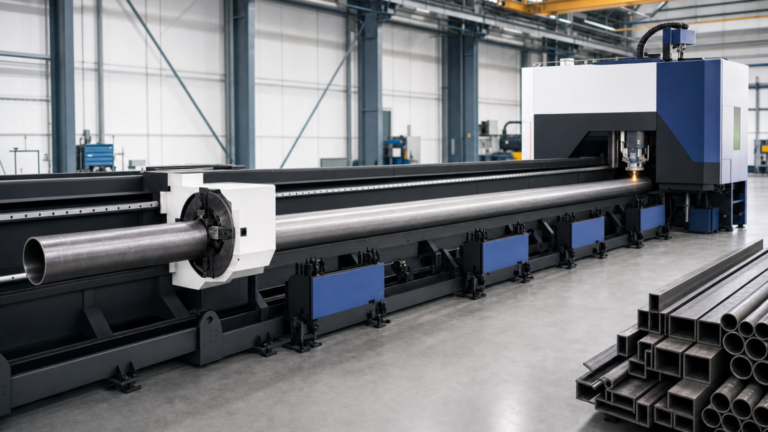
A tube laser can combine length cuts with selected feature-making, but the HSG R2’s fit depends on the actual profile, stock condition, tolerances, configuration, and batch pattern.
The HSG TPSD combines tube-laser cutting with mechanical thermal drilling and tapping. Learn when that integrated route may fit recurring tube parts and what to validate before relying on formed threaded holes.
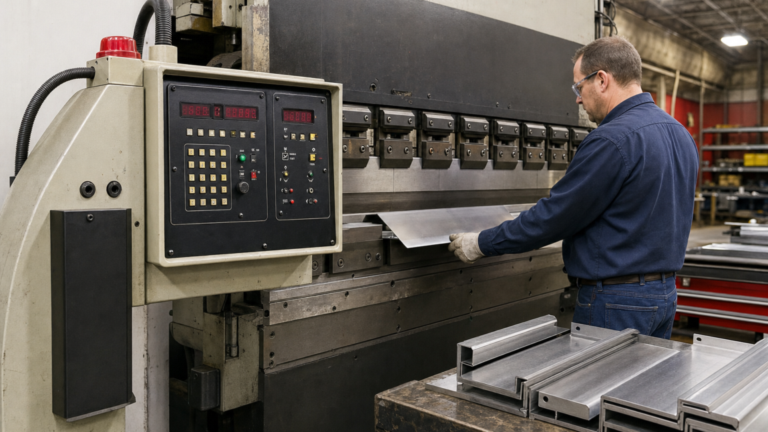
Retrofit an older press brake when its forming capability and backgauge mechanics remain serviceable and the production constraint is obsolete control hardware or manual positioning. Replace or rebuild when the machine cannot safely or accurately perform the required work.
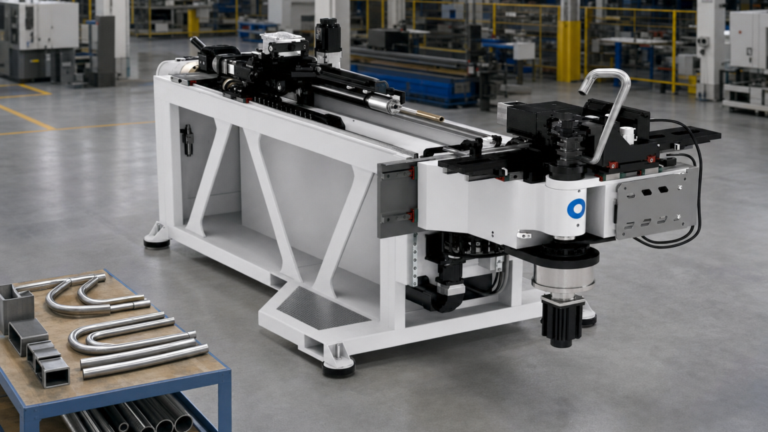
A fully electric right- and left-hand CNC tube bender fits high-mix shops when changing bend directions, radii, tooling, and part families make setup and reorientation a recurring production constraint. The decision still depends on representative-part testing and the exact machine configuration.
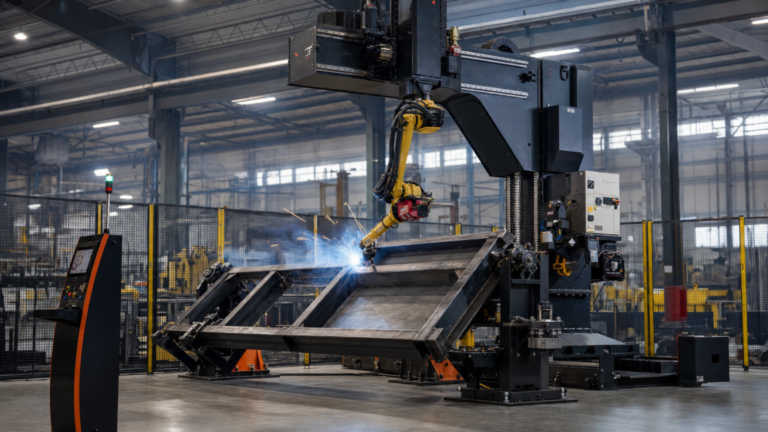
FANUC’s AI Welding Agent changes the software and upgrade questions around robotic welding, but it does not by itself remove the physical capacity, reach, positioning, workholding, and process-control reasons to evaluate an AGT BLOK system now.
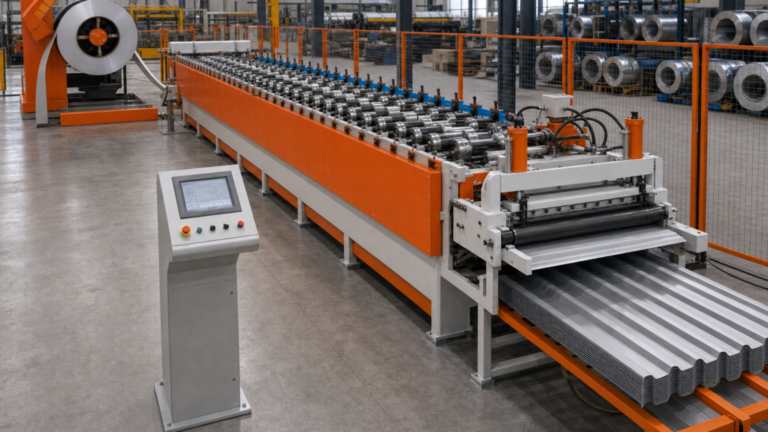
A four-profile roofing roll-forming line fits recurring, compatible panel work when the shop can group production and support the complete coil-to-cut-to-discharge flow. Dedicated equipment is usually stronger when one profile dominates, changes are frequent, or the material and geometry fall outside the documented envelope.
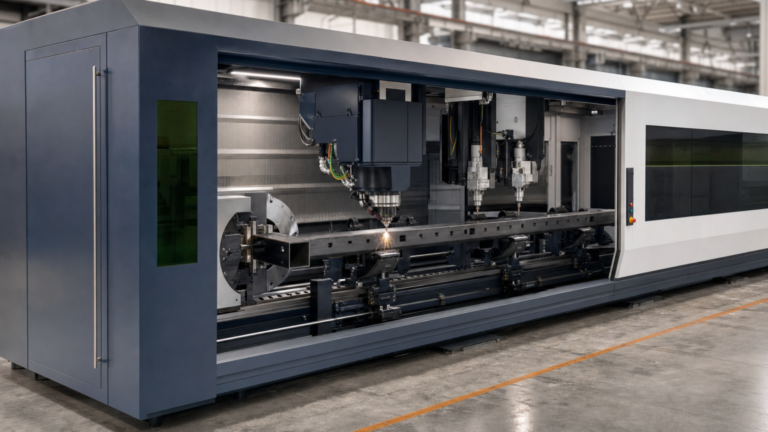
The HSG TS2 V2.0 is worth evaluating when short-run tube work includes holes, slots, contours, or selected bevel and weld-preparation features—not just straight cuts. This guide explains where 3D tube-laser processing can improve routing and where a saw, drill, flat-laser route, or outsourcing may still be the better fit.
End of content
End of content