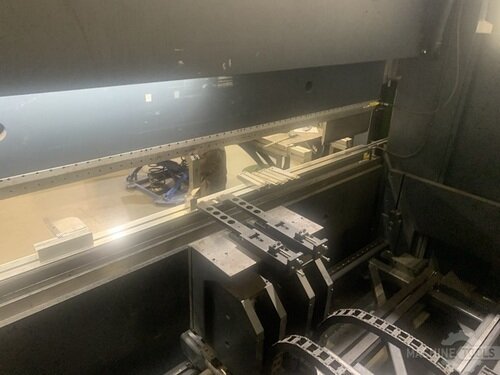
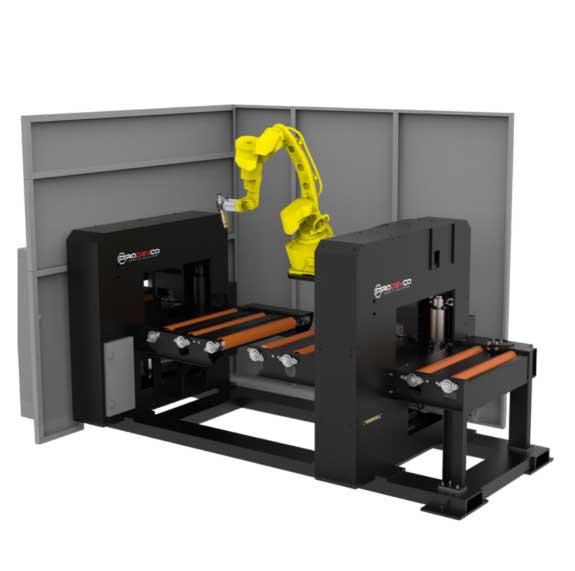
As a Regional Sales Executive at Mac-Tech, I’ve had the privilege of working closely with a variety of fabrication shops across the Midwest. One common theme I’ve noticed is the quest for efficiency. Whether it’s a seasoned fabricator or a newcomer, everyone is looking to unlock more productivity from their shop floors. Automation, while sometimes daunting, offers profound insights into overcoming bottlenecks and achieving seamless operations.
Comparing Laser Power: Insights from the Shop Floor
A frequent challenge I encounter is the struggle to choose the right laser power. Many shops initially opt for lower wattage, thinking it’s more economical. However, this often leads to slower production times and increased wear on machinery. By selecting a laser like the HSG with higher wattage, shops can cut through thicker materials more swiftly, improving throughput and reducing operational costs. The result? A significant boost in speed and efficiency, ultimately leading to a stronger ROI.
Minimizing Downtime: Effective Setup Strategies
Downtime is a notorious productivity killer. During my visits, I’ve seen how effective setup strategies can drastically reduce this issue. Implementing systems like Prodevco’s automated setup can streamline changeovers and minimize idle time. By pre-programming tasks and utilizing quick-change tooling, shops can maintain high uptime, keeping the production line running smoothly and consistently.
Tooling and Controls: Maximizing ROI in Fabrication
Investing in the right tooling and control systems can be transformative. For instance, Wilson Tool’s innovative solutions provide precision and durability, reducing the need for frequent replacements. Coupled with advanced control systems from Ermaksan, fabricators can achieve greater accuracy and consistency, leading to less waste and higher quality outputs. This not only maximizes ROI but also enhances customer satisfaction.
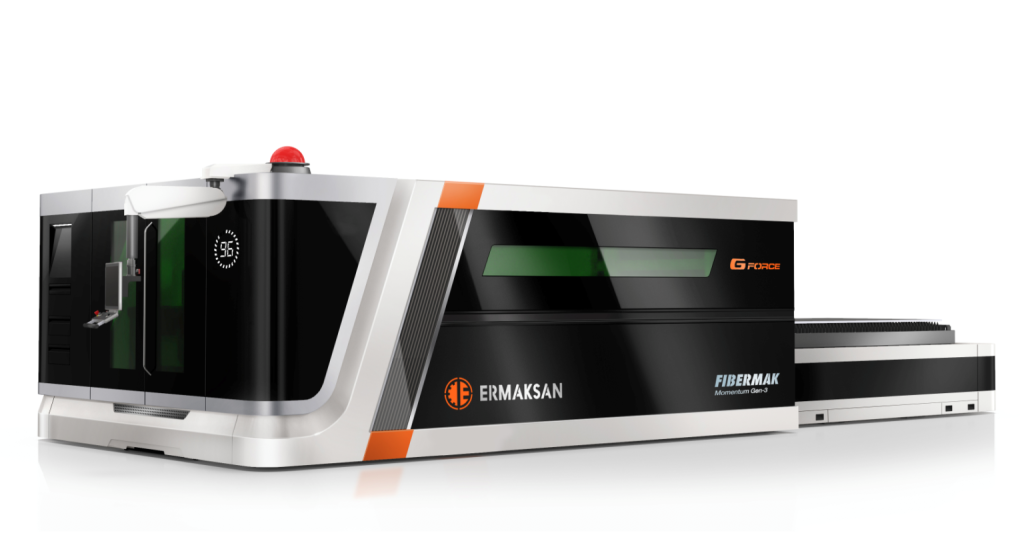
G-FORCE FIBER LASER
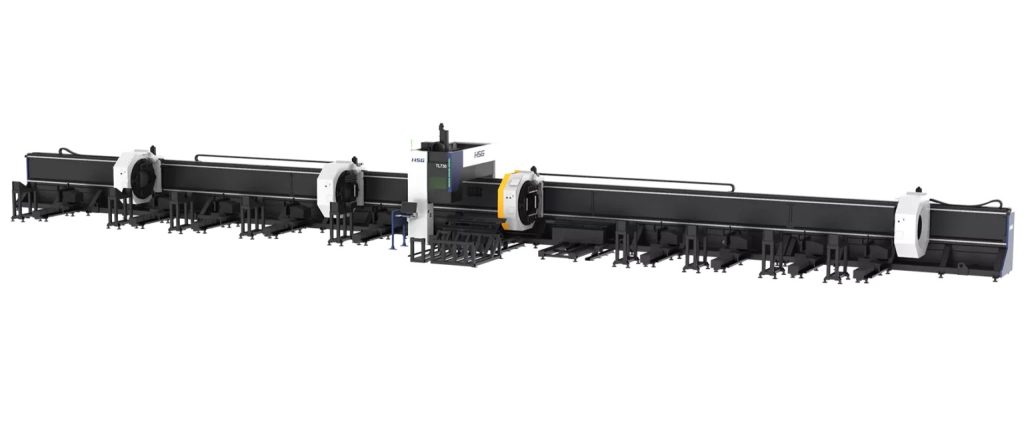
TLS HIGH-SPEED FULLY AUTOMATIC LASER CUTTER
- Heavy Duty Tube Processing Ability
- Innovative 4+1 Chuck Structure
- Intelligent Digital Chuck
- Bevel Processing
Workflow Integration: Achieving Seamless Automation
One of the most rewarding aspects of my role is helping shops integrate their workflow. Automation can seem intimidating, but with the right guidance, it becomes a powerful ally. By integrating systems like Rytech’s automation solutions, shops can synchronize their processes, ensuring that each step flows into the next with minimal human intervention. This seamless integration reduces errors and boosts overall productivity.
Lessons Learned: Upgrading to Advanced Automation
Transitioning to advanced automation is a journey filled with valuable lessons. Many shops initially underestimate the training required. However, investing in comprehensive training programs ensures that staff are well-equipped to handle new technologies. This investment in human capital pays dividends as employees become more confident and efficient, leading to smoother operations and faster adaptation to new systems.
Future Investments: Where Smart Fabricators Are Heading
Looking ahead, smart fabricators are focusing on sustainable technologies and AI-driven systems. These innovations promise not only to enhance production capabilities but also to reduce environmental impact. By staying ahead of the curve and investing in cutting-edge technologies, fabricators can secure their competitive edge and continue to thrive in an ever-evolving market.
FAQ Section
What wattage should I choose for my laser cutter?
The ideal wattage depends on the materials you work with most frequently. For thicker metals, higher wattage lasers like those from HSG offer faster cutting speeds and better efficiency.
How can I integrate automation without disrupting my current workflow?
Gradual integration with systems like Rytech allows you to automate in stages, ensuring minimal disruption while maximizing benefits.
What maintenance is required for automated systems?
Regular maintenance checks and software updates are crucial. Partnering with a reliable service provider can help keep your systems running smoothly.
Is training necessary for new automation technologies?
Yes, comprehensive training ensures your team can fully utilize the new technologies, leading to improved productivity and reduced errors.
How long does it take to implement a new automated system?
Typically, implementation can range from a few weeks to a couple of months, depending on the complexity and scale of the system.
What software is best for managing automated equipment?
Choose software that integrates well with your existing systems and offers user-friendly interfaces for ease of use.
I hope these insights have sparked some ideas for your own shop floor. If you’re ready to explore how automation can transform your operations, I invite you to reach out. I’d be delighted to provide a walkthrough or demo, tailored to your specific needs. Let’s unlock the potential of your fabrication shop together.
Get Weekly Mac-Tech News & Updates