Midwest job shops tell me the same thing when they are shopping lasers, press brakes, or automation: the cutting machine is not the bottleneck on paper, but WIP still piles up between cut, deburr, and bend. Changeovers, short runs, mixed materials, and training time turn into scheduling noise, and then rework shows up when edge condition or revision control drifts. When you plan a true cut-to-bend cell instead of buying standalone equipment, you can stabilize the flow, reduce touches, and protect uptime without overbuying capacity you cannot staff.
Why Cut-to-Bend Cells Shrink WIP and Stabilize Scheduling
Most common buyer problem: shops add laser capacity and expect lead times to drop, but parts queue up because downstream handling, deburr, staging, and brake capacity were never sized as a system. That turns into expediting, missed kits, and overtime on the brake while the laser sits waiting on material or nests.
The fix is to set a clear WIP limit and design a short, repeatable path from sheet to formed parts, with dedicated staging and standard part presentation to the brake. In high-mix environments, the best wins usually come from fewer touches and fewer decisions, not just higher laser watts.
A good cell also improves scheduling confidence: you can release work in smaller batches, reduce queue time, and build predictable daily capacity at the brake. That translates into measurable results like 20 to 50 percent lower WIP between cut and bend and more on-time kits for weld and assembly.

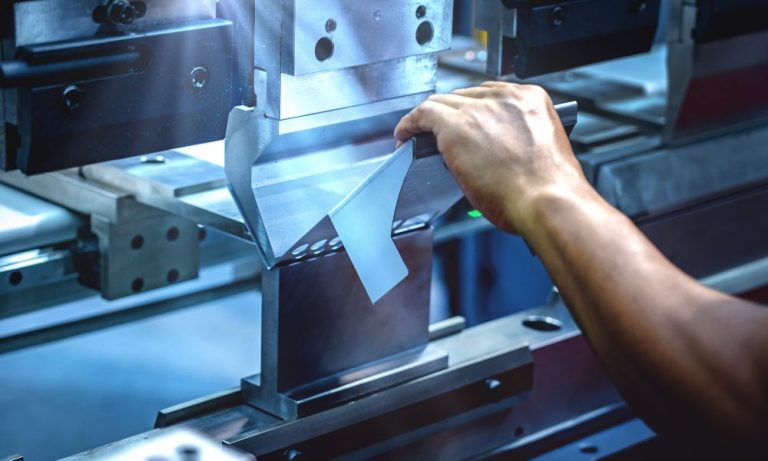
ERMAKSAN POWER-BEND FALCON BENDING MACHING

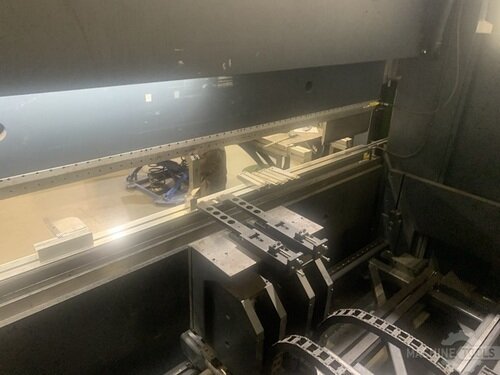
ERMAKSAN SPEED BEND PRO
Sizing the Cell: Matching Laser Capacity to Brake Tonnage, Bed Utilization, and Setup Time
Most common buyer problem: laser selection is based on peak cut speed, while press brake capacity is based on tonnage alone. In reality, high-mix throughput is dominated by setup time, part handling, and brake hit rates, so the “fastest” laser can easily starve the brake with the wrong part mix or flood it with unmanageable WIP.
The practical approach is to size around daily takt and part families: estimate sheets per shift that can be cut, deburred, kitted, and bent with your staffing model. For many Midwest job shops, 6 to 12 kW fiber is the sweet spot for mixed mild steel and stainless, while 15 to 30 kW makes sense when thicker plate and high utilization are consistent, not occasional.
Brake sizing should consider both tonnage and bed utilization: longer beds and the right tooling reduce re-handling, but only if you can stage parts correctly and keep setups tight. Electric brakes tend to shine on short-cycle, high-repeat work with fast, consistent ram control; hybrid and hydraulic can be better for heavier tonnage and varied forming, but you must plan for setup discipline to keep changeovers from dominating the day.
Cut Quality and Bend Quality Linkups: Edge Condition, Grain Direction, and Revision Control That Prevent Rework
Most common buyer problem: cut parts technically meet print, but they do not bend consistently due to edge condition, heat effects, or grain direction being ignored. That leads to angle variation, cracking on tight radii, and costly sort and rework after bending.
The fix starts at the laser: match parameters to material and thickness so the edge is stable for forming, and make deburr a planned step rather than a rescue operation. If you are running HSG lasers, for example, consistent cut recipes paired with a defined deburr standard reduces variability that shows up later as brake adjustments and scrap.
Revision control is the other hidden rework driver: high-mix shops often bend from older flat patterns or the wrong bend deduction notes. Tighten the loop so the same approved revision flows through nesting, labeling, and the brake program, and you will see fewer first-article resets and fewer interrupted setups.
Throughput in the Real World: Nesting Strategy, Material Staging, Part Flow, and WIP Limits Between Cut and Bend
Most common buyer problem: parts move in piles, not kits, and the brake operator spends time hunting, sorting, or waiting on deburr and material. Even with automation, the cell stalls when staging is not designed for how jobs actually run.
A workable cell uses a simple rule: cut and stage in brake-ready batches with an explicit WIP cap between cut, deburr, and bend. Nesting strategy should support flow, not just sheet yield, meaning you may accept slightly lower yield to keep families together, reduce sorting time, and feed the brake in the right sequence.
Practical cell sizing checkpoints:
- Laser output in sheets per shift matched to deburr and brake capacity, not peak inches per minute
- Dedicated material staging lanes for top movers and a clear FIFO lane for released work
- Deburr capacity sized by edges per minute and touch time, not just “we have a machine”
- Kitting method that delivers complete bend packages with labels and bend order
- A hard WIP limit that triggers release discipline and prevents the staging area from becoming a warehouse
When you plan handling and staging intentionally, automation choices become clearer: a manual load/unload laser can work well if material and part carts are standardized, while higher automation levels pay off when you can keep the laser cutting through breaks and shift changes without creating uncontrolled piles. If you are integrating conveyors or handling like Rytech equipment, treat it as part of the flow design, not a bolt-on, and you will protect utilization across the whole cell.
Training and ROI: Standard Work, Cross-Training Operators, and Payback from Faster Changeovers and Fewer Touches
Most common buyer problem: shops buy capable equipment, but only one or two people can run it well, so uptime and scheduling depend on tribal knowledge. Training time feels like lost production, so standard work never gets documented, and changeovers stay long.
The fix is to build standard work into the cell from day one: documented setup steps, tooling locations, labeling conventions, and what “done” looks like at each stage. Pair that with cross-training so at least two operators can run the laser and two can run the brake, which reduces single-point-of-failure risk and protects uptime when someone is out.
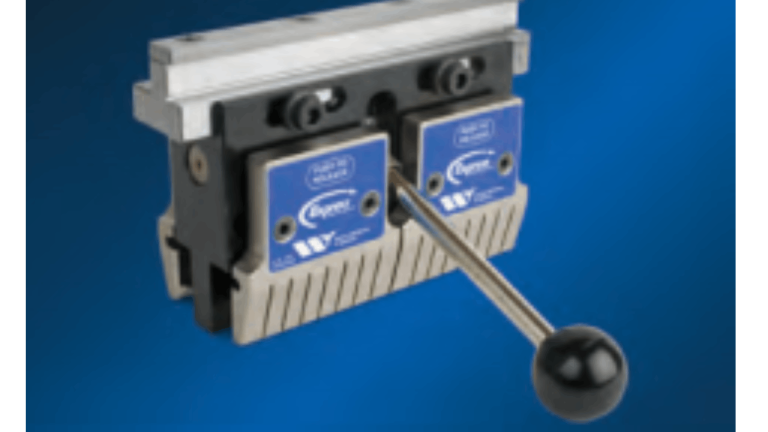
ROI in high-mix cells is usually driven by fewer touches and faster changeovers, not just faster cutting. The combination of organized staging, controlled deburr, and repeatable brake setups often cuts total labor minutes per part enough to pay back investment faster than expected, especially when paired with quality tooling from Wilson Tool to reduce setup trial-and-error and improve consistency.
Where Smart Fabricators Are Investing Next: Automation, Sensing, and Software to Scale Cut-to-Bend Cells as H2 headings (##)
Most common buyer problem: a shop wants to automate, but worries about getting locked into a system that only works for one product mix. The result is either over-automation that is hard to staff and maintain, or under-automation that never resolves the WIP problem.
The practical path is modular scaling: start with the flow basics, then add automation where it removes the most touches per part. That might be laser load/unload and sorting first, then a better deburr solution, then brake assist and offline programming, depending on your mix and labor constraints.
Software and sensing are the next multiplier: barcode-driven routing, revision-locked programs, and inspection feedback loops reduce rework and make scheduling more truthful. If you are evaluating options, start with a clear data model for job release and WIP limits, then pick equipment that can report status and support repeatable setups across shifts.
FAQ
What laser wattage range makes sense for a Midwest high-mix shop cutting mild steel, stainless, and some aluminum?
Most mixed work lands well in 6 to 12 kW, with 15 kW and up justified when thicker material is frequent and you can keep utilization high without flooding downstream steps.
Should we buy automation now or plan for it later?
If labor and uptime are your constraints, automation now can stabilize throughput, but only if staging and WIP limits are defined. If your mix is changing, plan for automation-ready equipment and add modules after the flow is proven.
How steep is the learning curve for controls and programming in a cut-to-bend cell?
It is manageable when you standardize part labeling, revision control, and program naming across laser and brake. Offline programming and consistent setup sheets reduce tribal knowledge and speed cross-training.
How do we plan maintenance to protect uptime in a cell?
Treat maintenance as scheduled capacity, not a surprise, and align it across laser, deburr, and brake so one weak link does not stop the whole flow. Stock common consumables and define daily checks that operators can actually complete.
What should we expect for lead times and commissioning when buying a laser and brake as a coordinated cell?
Plan for equipment lead time plus installation, training, and a ramp period where you validate standard work and WIP limits. Commissioning goes smoother when material staging, carts, and labeling are ready before the machines arrive.
What press brake type is best for high-mix cut-to-bend, electric vs hybrid vs hydraulic?
Electric shines on fast cycle times and repeatability for lighter tonnage work, while hybrid or hydraulic can be better for heavier forming and flexibility. The best choice depends on your average bends per part, tonnage range, and how disciplined you are about tooling and setup.
If you want a practical walkthrough of sizing the full cut-to-bend flow for your mix, reach me at jperry@mac-tech.com and we can compare options and layouts together at https://shop.mac-tech.com/.
Get Weekly Mac-Tech News & Updates