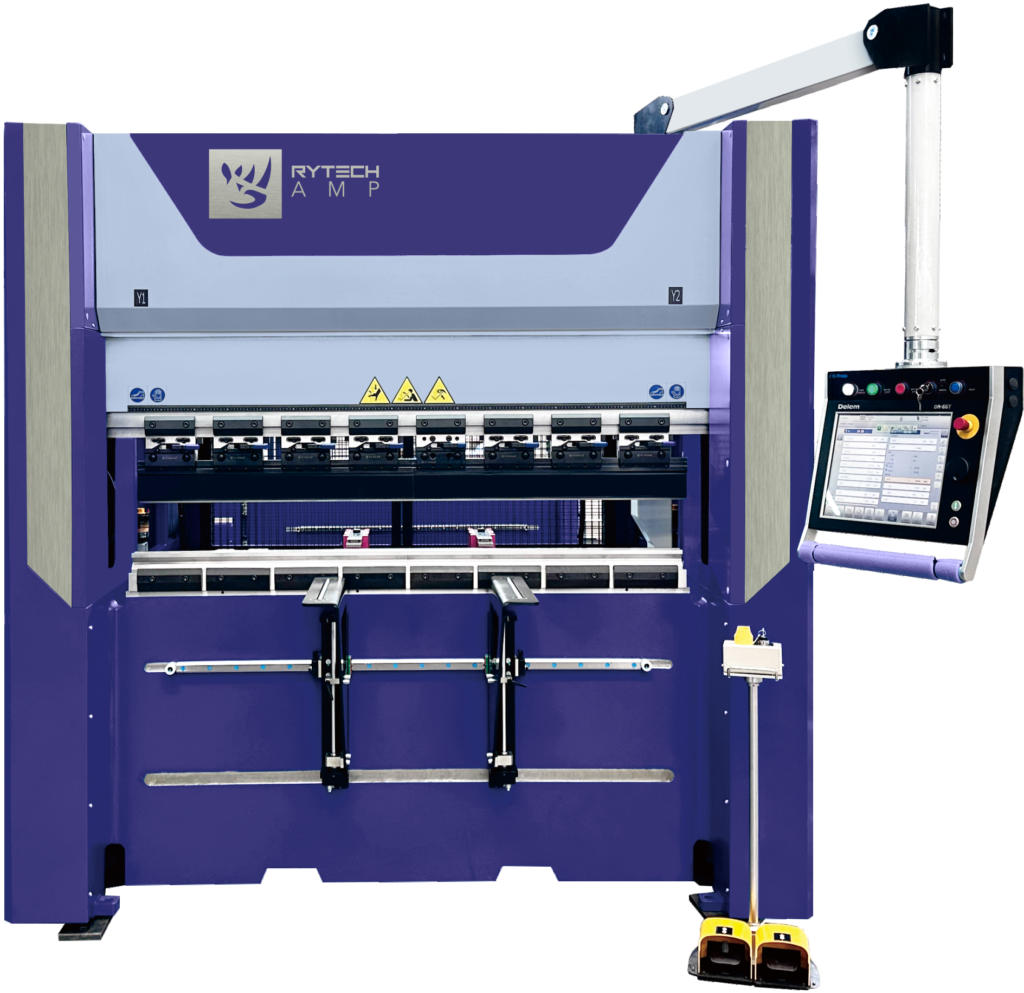
Selecting the ideal press brake for your operation is a critical decision that can significantly impact your productivity, efficiency, and long-term profitability. As President of Mac-Tech, I’ve spent decades helping manufacturers navigate this complex landscape. With a focus on exceptional after-sale service and a deep understanding of metal fabrication, I’m here to share key factors and insights to guide you in choosing the right press brake for your needs.
Understanding Press Brake Types and Their Applications
Press brakes come in various types, each suited to different applications and operational needs. The most common types include mechanical, hydraulic, and electric press brakes. Mechanical press brakes are known for their speed and precision, making them ideal for high-volume production runs. Hydraulic press brakes, on the other hand, offer greater versatility and are capable of handling a wider range of materials and thicknesses. Electric press brakes are the latest innovation, providing energy efficiency, precision, and ease of use, making them suitable for operations that require high accuracy and repeatability.
Understanding the specific applications of each press brake type is crucial. For instance, if your operation involves heavy-duty bending tasks, a hydraulic press brake might be the best choice due to its robust power and flexibility. Conversely, if you prioritize energy efficiency and precision for lighter materials, an electric press brake could be more appropriate. By aligning the press brake type with your operational requirements, you can ensure optimal performance and longevity of your equipment.
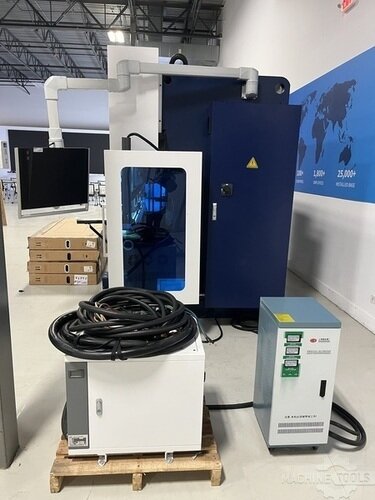
HSG HC1703
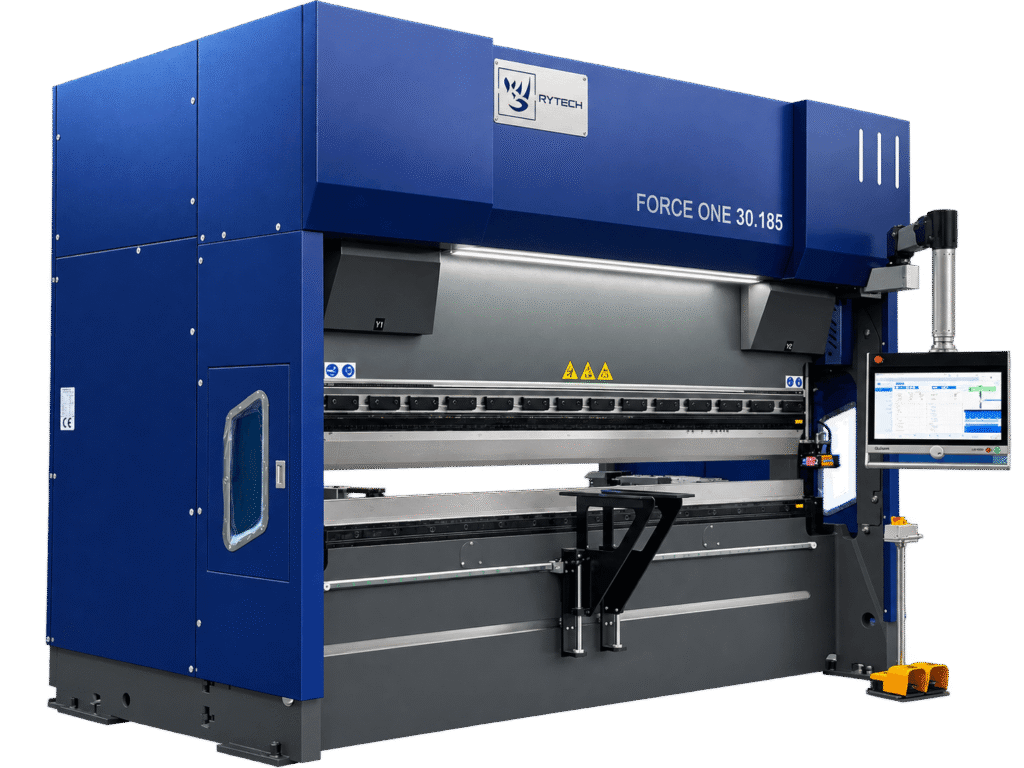
Brand – HSGRYTECH FORCE-1 HE 2204
Brand – RYTECHRYTECH FUSION HYBRID B32.135
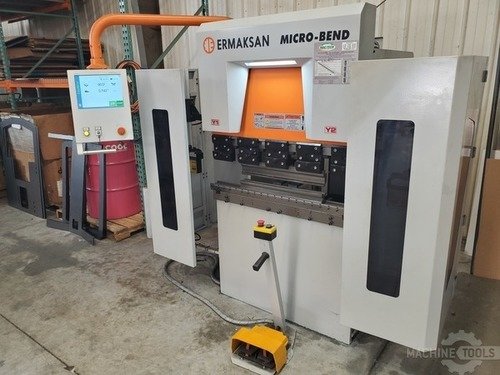
Brand – RYTECHERMAKSAN MICROBEND
Brand – ERMAKSANERMAKSAN SPEED BEND 4270-400
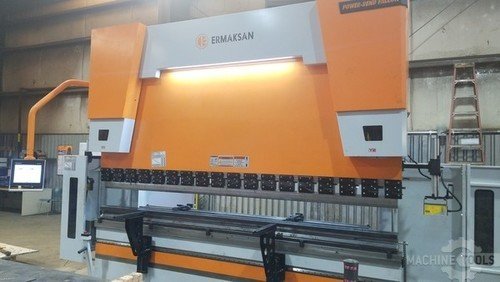
ERMAK EVOIII 3760-175
- Ermak EvoIII 3760-175 (193 Ton x 12’)
- 7-Axis: Y1, Y2, X,…
Evaluating Press Brake Features and Capabilities
When selecting a press brake, it’s essential to evaluate its features and capabilities to ensure it meets your specific needs. Key features to consider include the tonnage, bending length, and backgauge system. Tonnage refers to the maximum force the press brake can exert, which determines the thickness and type of material it can bend. Bending length is the maximum length of material the press brake can handle, which is crucial for large-scale projects. The backgauge system, which positions the material accurately, is vital for achieving consistent and precise bends.
Advanced features such as CNC controls, automated tool changers, and safety systems can further enhance the efficiency and safety of your press brake operation. CNC controls allow for precise programming and repeatability, reducing setup times and minimizing errors. Automated tool changers can significantly speed up production by quickly switching between different tools and setups. Safety systems, including light curtains and safety interlocks, protect operators and ensure compliance with safety regulations. By carefully evaluating these features, you can select a press brake that not only meets your current needs but also supports future growth and technological advancements.
Long-Term Considerations for Press Brake Investments
Investing in a press brake is a significant financial commitment, so it’s important to consider long-term factors that can affect your return on investment. One critical aspect is the reliability and durability of the equipment. A press brake that requires frequent repairs and maintenance can lead to costly downtime and reduced productivity. Therefore, choosing a reputable manufacturer with a proven track record of producing high-quality, reliable equipment is essential. Additionally, consider the availability of spare parts and technical support, as these can significantly impact the longevity and performance of your press brake.
Another long-term consideration is the potential for future upgrades and scalability. As your business grows and your production needs evolve, you may require additional capabilities or higher performance from your press brake. Selecting a press brake that offers modular upgrades or can be easily integrated with other automation systems can provide the flexibility needed to adapt to changing demands. By considering these long-term factors, you can make a more informed investment that supports your operational goals and ensures sustained success.
FAQ
What is the difference between mechanical, hydraulic, and electric press brakes?
Mechanical press brakes are known for their speed and precision, hydraulic press brakes offer versatility and power, and electric press brakes provide energy efficiency and high accuracy.How do I determine the right tonnage for my press brake?
The right tonnage depends on the thickness and type of material you plan to bend. Consulting with a press brake specialist can help you determine the appropriate tonnage for your specific needs.What are the benefits of CNC controls in a press brake?
CNC controls allow for precise programming, repeatability, reduced setup times, and minimized errors, enhancing overall efficiency and productivity.How important is the backgauge system in a press brake?
The backgauge system is crucial for positioning the material accurately, ensuring consistent and precise bends, which is essential for high-quality production.Can I upgrade my press brake in the future?
Many modern press brakes offer modular upgrades and can be integrated with other automation systems, providing the flexibility to adapt to changing production needs.What safety features should I look for in a press brake?
Key safety features include light curtains, safety interlocks, and emergency stop buttons, which protect operators and ensure compliance with safety regulations.How do I ensure the reliability and durability of my press brake?
Choosing a reputable manufacturer with a proven track record, and ensuring the availability of spare parts and technical support, can help ensure the reliability and durability of your press brake.What are the long-term benefits of investing in a high-quality press brake?
Investing in a high-quality press brake can lead to increased productivity, reduced downtime, and the ability to adapt to future production needs, ultimately providing a better return on investment.How can I maximize the efficiency of my press brake operation?
Maximizing efficiency involves selecting the right press brake type, evaluating key features and capabilities, and considering long-term factors such as reliability, scalability, and support.Selecting the ideal press brake for your operation involves careful consideration of various factors, from understanding the different types and their applications to evaluating key features and long-term considerations. At Mac-Tech, we are committed to helping you make informed decisions that enhance your productivity and profitability. If you need further assistance or have any questions, don’t hesitate to reach out. We’re here to support you every step of the way.
Contact Form
Related Posts
- Enhance ROI with Prodevco Plate Processing Lines for Illinois Steel Contractors
- Strategic Customization of Ermaksan Press Brake Systems for Large Fabricators: Business Value and ROI Insights
- Robotic Integration Boosts Efficiency in Small Batch Press Brakes
- Maximize ROI with Ermaksan Fibermak: Scalable Laser Solutions for Every Shop Stage
- Mastering Precision: Prodevco’s Automated Plate Processing
Get Weekly Mac-Tech News & Updates
Joe Ryan
President
Joe Ryan
President, Mac-TechAt Mac-Tech, we help manufacturers sleep at night by focusing on exceptional after-sale service. With a 10-man service team, we understand that while selling equipment is easy, supporting it long-term is where the real challenge lies. That’s why, over our 40 years in business, we’ve carefully selected our partners to ensure quick, effective support for our customers. Our team, alongside our factory partners, is always ready with technicians and parts to keep our customers' operations running smoothly.
I specialize in metal fabrication cutting, forming, and automation equipment for the precision, structural, and architectural metal markets. My approach is to deliver great value and quality solutions to metal fabricators, recognizing both their efficiencies and pain points. By presenting justifiable investments in new technology, I help our customers become more efficient, safer, and ultimately more profitable.
One highlight of my work is the relationship we built with L&N Fabricators in Gillet, WI. After they experienced dissatisfaction with their previous fiber lasers, we stepped in with preventive maintenance packages for their existing equipment, even though it wasn’t originally ours. This led to us securing an order for a new 20kW HSG Fiber Laser. We also discovered that high-wattage fibers reduce overall gas usage while increasing cutting speeds and capacities, further validating the benefits of this technology.
If you’re interested in maximizing your operation's efficiency or need advice on the latest in metal fabrication technology, don’t hesitate to reach out. I’m here to help you achieve your goals.
Similar Posts
Strategic Customization of Ermaksan Press Brake Systems for Large Fabricators: Business Value and ROI Insights
ByJoe RyanDiscover how tailored Ermaksan press brake solutions drive ROI and optimize operations for large fabricators through strategic equipment planning. Joe Ryan President, Mac-Tech joe@mac-tech.com | 414-477-8772 | 888-MAC-9555
Ermaksan Press Brakes Give Shipyards Precise Control on Large Hull Plate
ByJoe RyanSee how advanced forming technology boosts hull quality, cuts rework, and de-risks capital planning for modern shipyards. Joe Ryan President, Mac-Tech joe@mac-tech.com | 414-477-8772 | 888-MAC-9555
Ermaksan High-Tonnage Press Brakes: Strategic Advantage for Wind Tower Fabricators
ByJoe RyanDiscover how high-tonnage press brakes sharpen competitiveness, cut bottlenecks, and de-risk big-capacity investments for wind tower shops. Joe Ryan President, Mac-Tech joe@mac-tech.com | 414-477-8772 | 888-MAC-9555
Ermaksan High-Tonnage Press Brakes Cut Bridge Rework and Delay Costs
ByJoe RyanHigh-tonnage press brakes reduce rework, delays, and lifecycle risk, turning bridge fabrication into a more predictable, high-ROI capital investment. Joe Ryan President, Mac-Tech joe@mac-tech.com | 414-477-8772 | 888-MAC-9555
Prodevco Beam Lines Consolidate Steel Processing, Freeing Floor Space
ByJoe RyanConsolidate steel processing, reclaim floor space, and maximize ROI with smarter beam line investments and planning. Joe Ryan President, Mac-Tech joe@mac-tech.com | 414-477-8772 | 888-MAC-9555
Prodevco Robotic Beam Coping: Lower Rework Costs for Bridge & High-Rise
ByJoe RyanBoost margins and bid confidence with robotic beam coping that cuts rework, stabilizes schedules, and strengthens long-term fab capacity planning. Joe Ryan President, Mac-Tech joe@mac-tech.com | 414-477-8772 | 888-MAC-9555