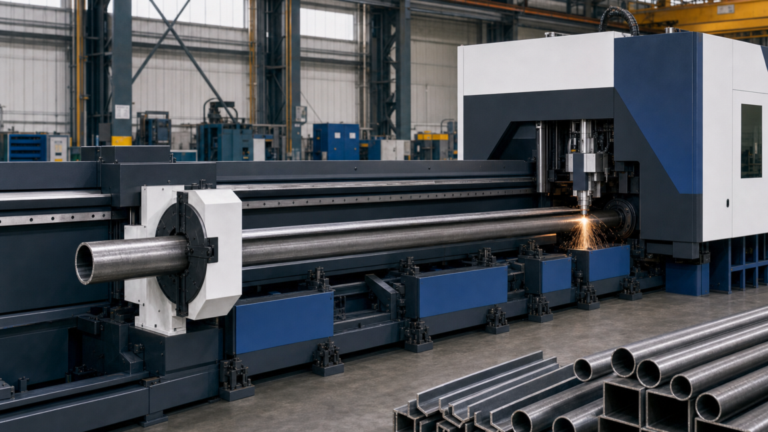
HSG R2 Tube Laser for Mixed Profiles
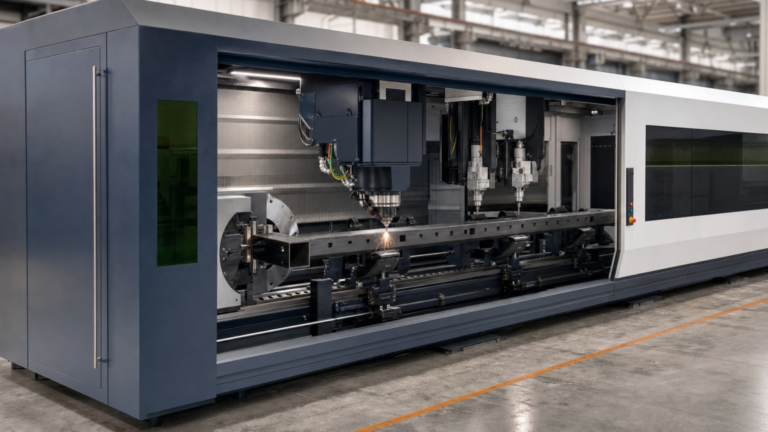
The HSG R2 is a dual-chuck tube fiber laser for round, square, and selected open-profile work. Compare actual profiles, cut geometry, stock limits, and required options with the offered configuration.

The HSG R2 is a dual-chuck tube fiber laser for round, square, and selected open-profile work. Compare actual profiles, cut geometry, stock limits, and required options with the offered configuration.
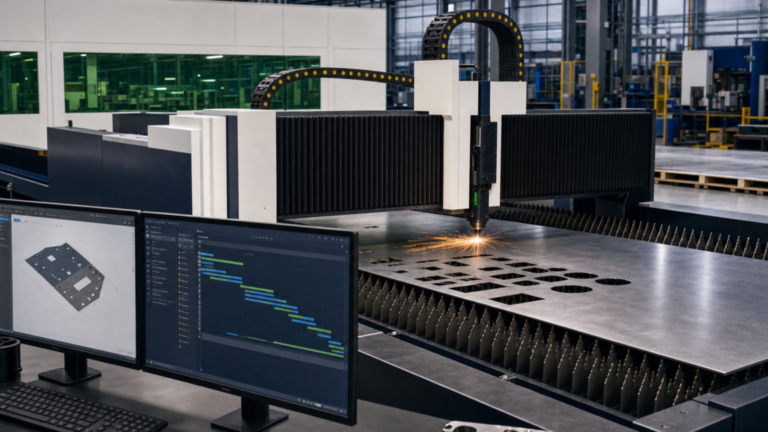
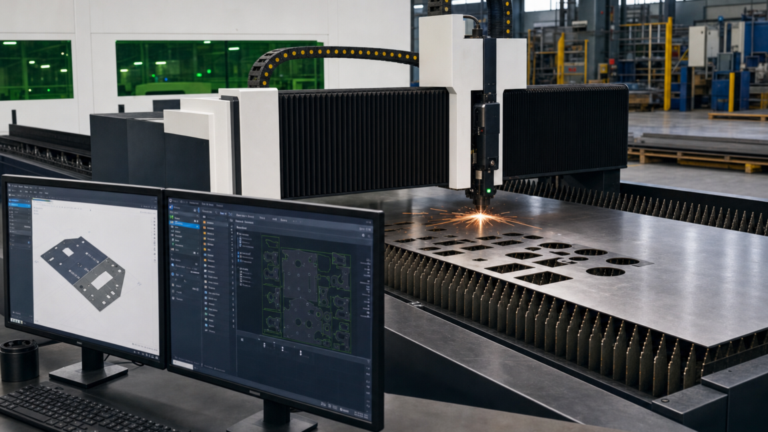
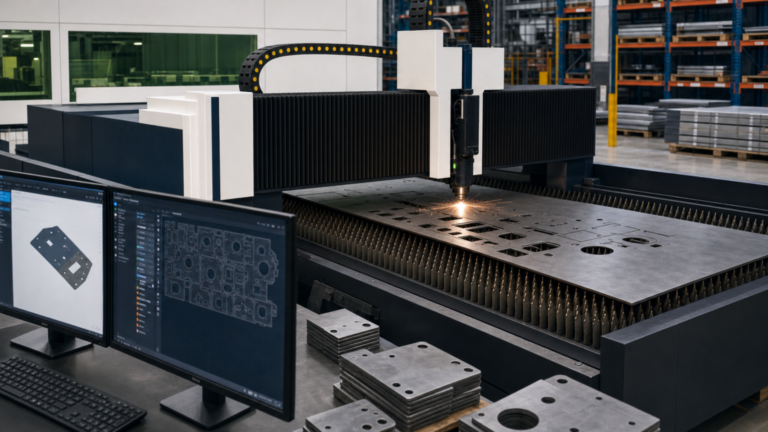
The HSG GH is worth evaluating when flat-sheet laser cutting constrains production. Match the exact configuration to the work, then compare representative cut quality and complete material-flow time.
Aucto’s Otinus partnership puts new flat-sheet fiber lasers alongside used and surplus equipment in one marketplace. The shared search can simplify discovery, but buyers still need to compare each machine’s configuration, condition, support, site needs, and installed cost.
The HSG TPSD combines tube-laser cutting with mechanical thermal drilling and tapping. Learn when that integrated route may fit recurring tube parts and what to validate before relying on formed threaded holes.
Inspect the cutting nozzle first when HSG TS2 V2.0 tube-laser cut quality changes, then evaluate the protective window and cutting-head interfaces according to the symptom. The installed head, nozzle specification, material, gas, and service history determine the correct replacement.
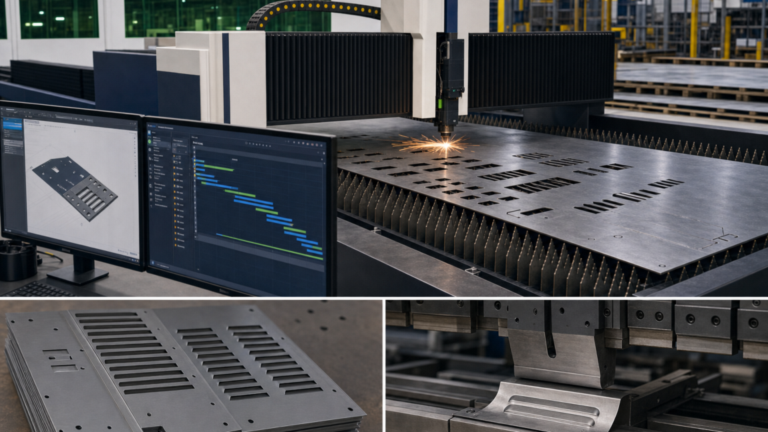
A CNC press brake with special forming tooling can produce selected louvers, embosses, clips, countersinks, and extruded holes in laser-cut blanks. The practical boundary depends on feature geometry, blank preparation, tooling, machine access, changeover, and production volume.
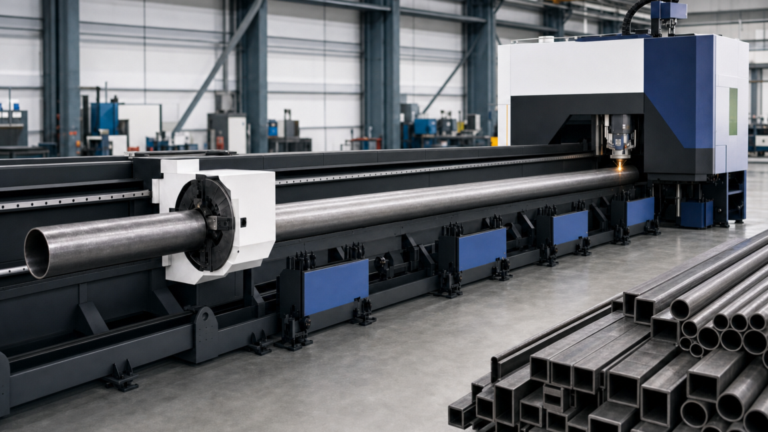
A large-tube fiber laser can replace more than a saw when HSS and structural profiles carry holes, slots, notches, miters, or weld-preparation features. The decision depends on feature density, the validated material envelope, handling, programming, and the work that should remain on a saw, drill, or machining center.
Automatic nesting for the HSG G3015H can reduce programming effort and improve material decisions, but the best production result balances utilization with cut reliability, remnant control, job priority, part identification, sorting, and downstream bending capacity.
Match a second flat-sheet fiber laser when interchangeable capacity is the goal. Choose a different platform only when it solves a measured format, material, thickness, or automation constraint.
End of content
End of content