ACT Dust Collectors for Laser Cutting Cells: What Shops Should Check Before a Fiber Laser Upgrade
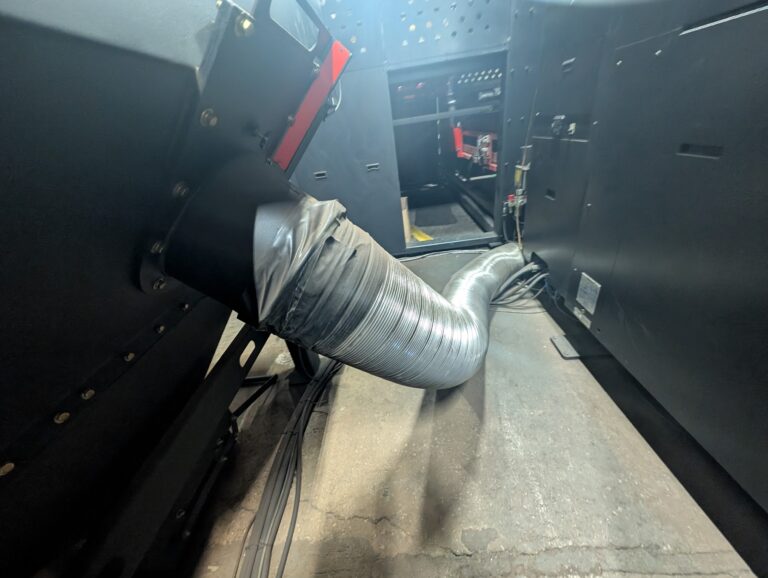
Compare ACT Dust Collectors for laser cutting cells, including LaserPack 8 and the ACT 3-6, with a focus on capture, access, airflow, and uptime.
Older fiber laser cells often benefit from a phased retrofit plan: loading and unloading first, then part sorting, then material transport.
A practical HSG Laser Uptime Checklist for U.S. shops: spot early warning signs, stock key consumables, and know when to schedule OEM support.
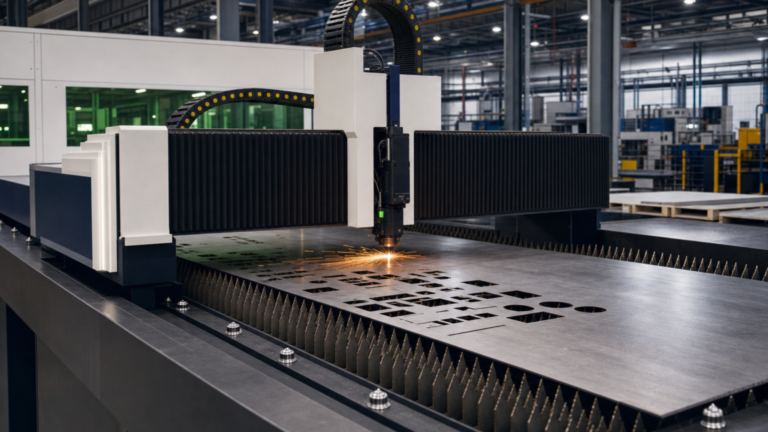
An executive look at when large-format fiber laser cells make capital sense, using Ermaksan’s RANGER to frame bevel prep, throughput, bending, and uptime.
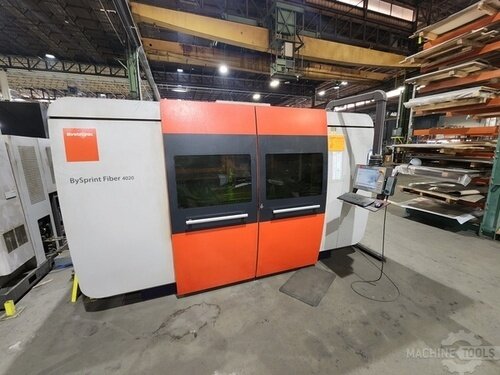
A practical checklist for Wisconsin fabricators comparing used fiber lasers, pre-owned automation, utilities, safety, software, and downstream fit before buying.
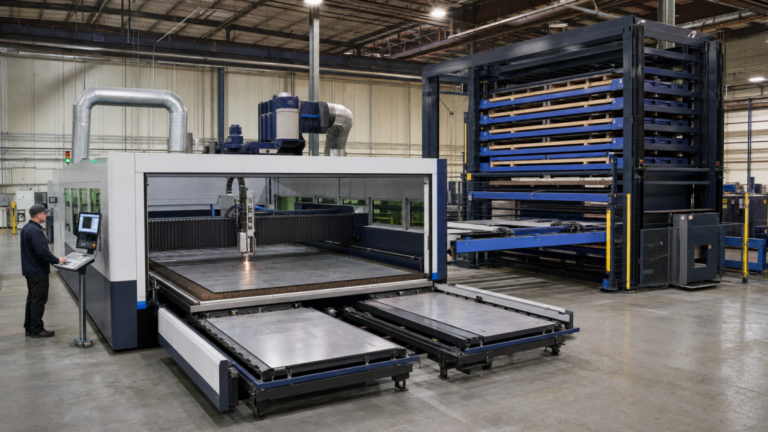
A practical Wisconsin shop-floor guide to HSG fiber laser automation, material handling, nesting, sorting, fume extraction, and press brake flow.
How Indiana fabricators can plan ACT dust collectors around laser and plasma uptime, filter strategy, controls, safety review, and lifecycle cost.
HSG fiber laser uptime planning starts with clean machine records, staged wear parts, chiller and gas checks, and safe escalation before alarms stop production.
HSG Fiber Laser Automation is more than a machine purchase. It is a platform decision that affects layout, utilities, labor allocation, and downstream flow. Here is what U.S. fabrication leaders should verify before committing to high-power, multi-shift production.
End of content
End of content