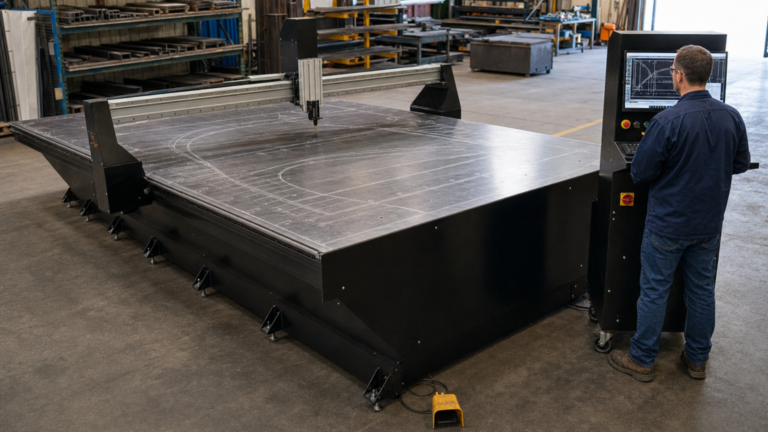
PLS-624 vs. PLS-824 Layout Tables
The PLS-824 adds usable plotting width, not length. Compare full-size railing geometry, working reach and loading space before choosing the wider layout table.

The PLS-824 adds usable plotting width, not length. Compare full-size railing geometry, working reach and loading space before choosing the wider layout table.
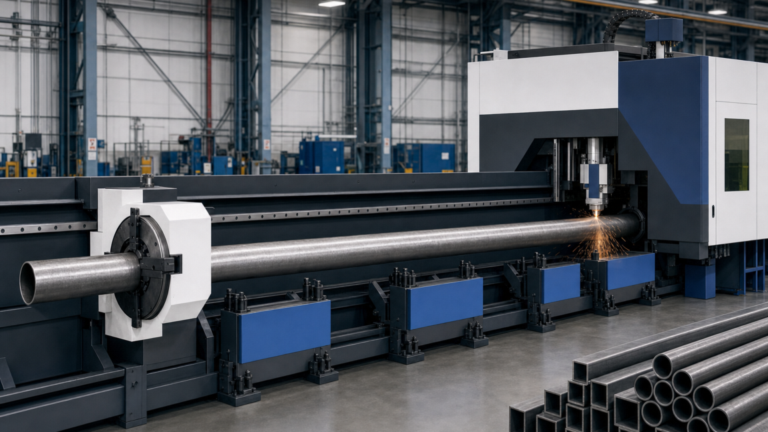
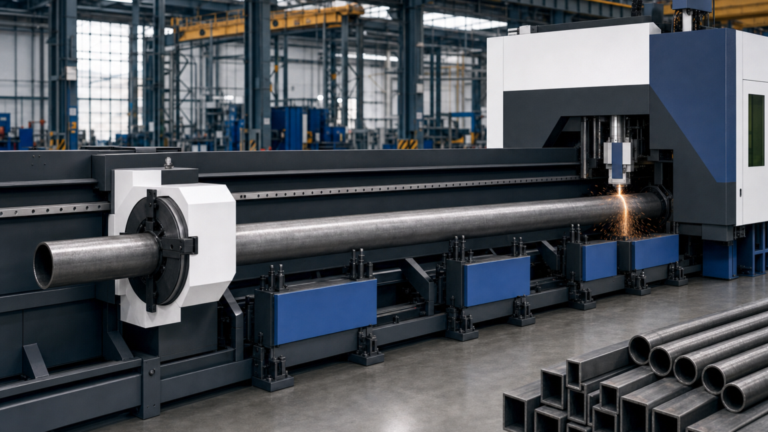
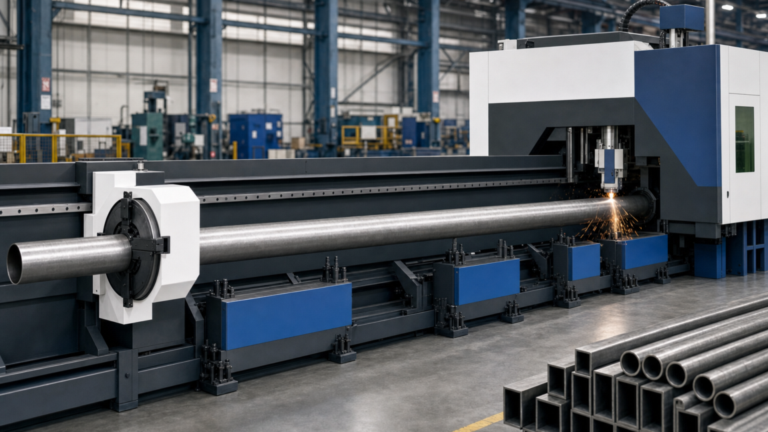
The HSG R1 merits a capacity review when repeat small-tube parts need holes, slots, or shaped ends that now require separate operations. Check the actual part geometry against the machine and loader ranges, then compare the complete route with the work a suitable saw already handles.
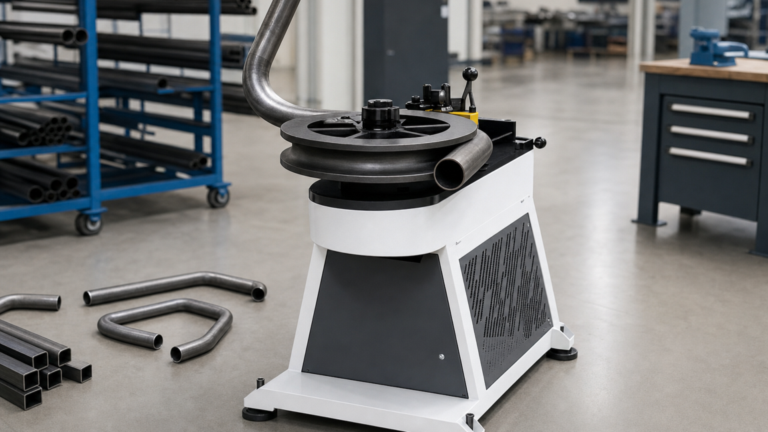
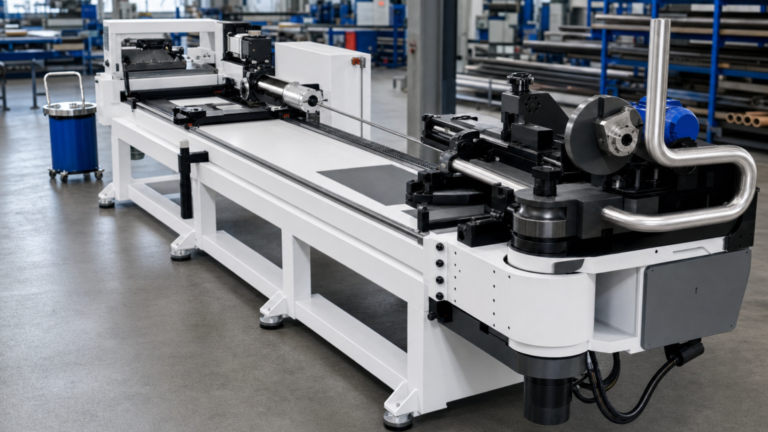
The AMOB PT Series may suit varied tube work with larger-radius bends when a specific model fits the material and geometry and mandrel-less bending meets the part’s quality requirements.
The HSG TX3R is worth evaluating for recurring heavy-tube and open-profile work where programmed features and supported stock handling may simplify the route to welding or assembly. Confirm the offered envelope and configuration against representative parts.
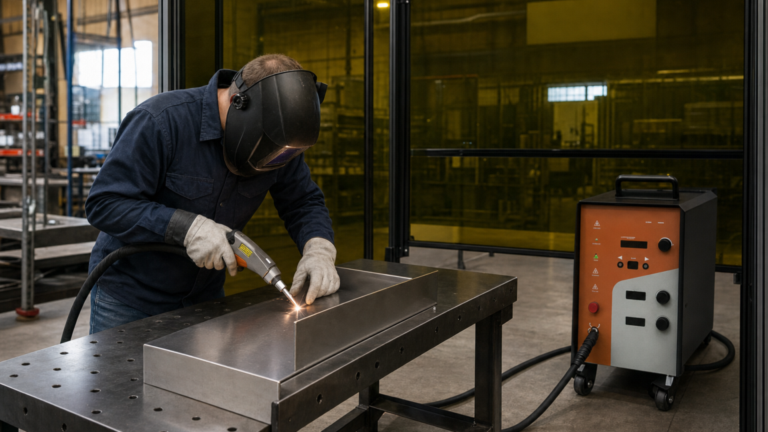
IPG LightWELD is best evaluated as a targeted addition to welding capacity, not a shopwide MIG or TIG replacement. Match a quoted configuration to representative parts, measure the whole job, and include laser-safety planning in the investment decision.
The AMOB eMOB 2 LR is worth evaluating for tube parts that need programmed right- and left-hand bends in one cycle. The practical fit depends on the exact model, tooling, tube, and part geometry.
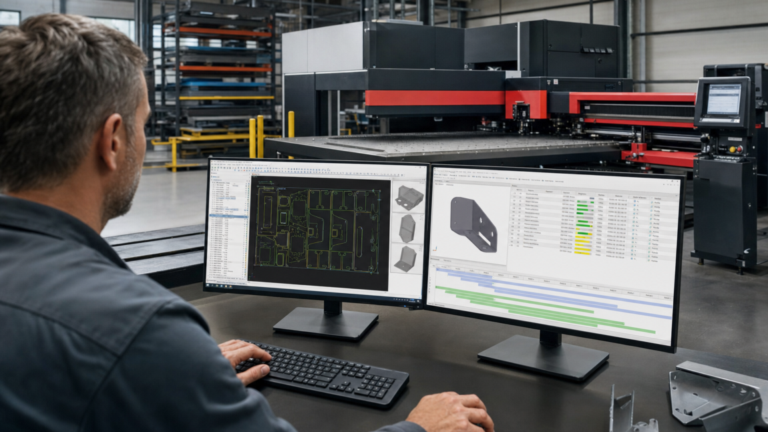
RADAN supports sheet-metal CAD/CAM workflows, while related RADAN e2i functions address estimating, orders, planning, and production tracking. Indiana fabricators can evaluate the modules, machine support, and data exchanges against their actual shop workflow.
Keep repeatable tube patterns on punching when existing tooling serves the work well. Consider a tube laser for changing geometry or routes with multiple operations, and compare the complete process for actual part families.
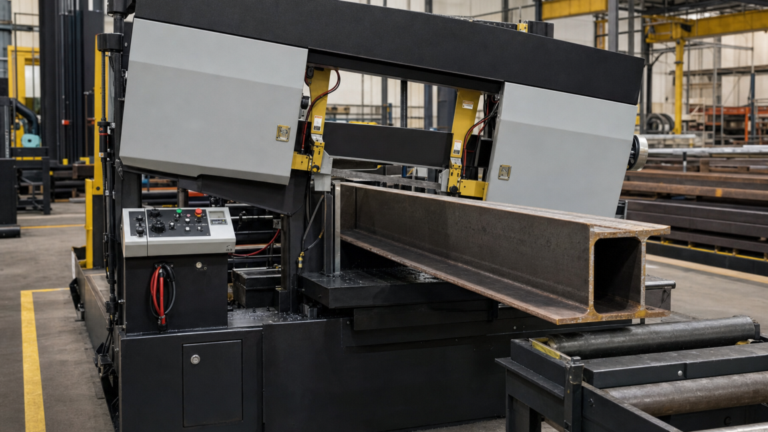
Outsource stable, released beam cuts when the in-house saw is delaying work and a supplier can meet the job requirements. Keep urgent or changing cuts in-house, and verify that downstream operations can use the capacity freed.
End of content
End of content