
Structural fabrication leaders in oil and gas modules, bridge plate, shipyard panel lines, and tower work are being squeezed by labor shortages, tighter delivery windows, and higher downtime risk as part flow gets more complex. When a new beam line, plate processor, press brake, or robot cell goes live without rigorous acceptance tests, the result is predictable: missed shifts, rework, unsafe workarounds, and bottlenecks that ripple across the schedule. I am Dave Graf, Regional Sales Executive at Mac-Tech, and I act as the single point of contact to coordinate turnkey automation, integration, commissioning, training, and lifecycle support with ROI-focused delivery.
Operational Challenges in Commissioning Acceptance Tests for Uptime Safety and Throughput
Commissioning failures are rarely caused by one big defect. They come from dozens of small gaps like incomplete interlocks, missing recipe limits, unmanaged changeovers, and untrained operators that only surface under production conditions. In structural automation, the cost shows up as schedule slips, expediting, and unplanned overtime rather than a single line item.
Where go-live surprises typically come from
- Throughput assumptions not validated at rate: 8 to 12 hours lost in the first week chasing cycle time and queue time
- Uptime not proven across shifts: 3 to 6 unplanned stops per shift due to sensors, material variability, or integration handoffs
- Safety not tested under real material handling: near-misses increase during manual overrides and recovery steps
- Training not verified: 30% to 50% of calls in early weeks tied to basic recovery, alarms, and changeover steps
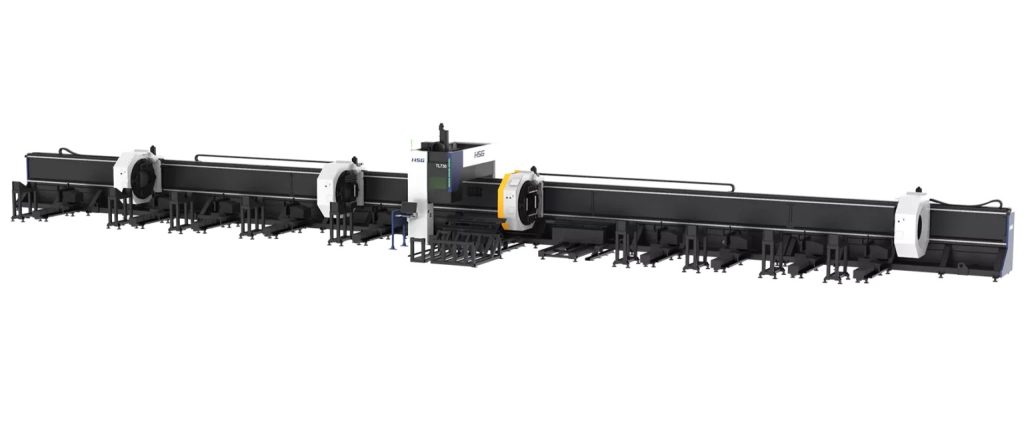
TLS HIGH-SPEED FULLY AUTOMATIC LASER CUTTER
- Heavy Duty Tube Processing Ability
- Innovative 4+1 Chuck Structure
- Intelligent Digital Chuck
- Bevel Processing

INDUSTRY 4.0
Decision Criteria for Acceptance Test Coverage, Traceability, and Signoff Readiness
Executives need acceptance tests that translate directly to business outcomes: predictable throughput, safe material handling, stable uptime, and a trained team that can run and recover without tribal knowledge. The commissioning playbook should make every requirement traceable from intent to test evidence and signoff, especially when multiple machines and controls platforms are involved.
Decision criteria I recommend for signoff readiness
- Coverage: tests for quality, throughput, uptime, safety, and training, each with pass fail thresholds tied to production targets
- Traceability: every acceptance test mapped to a risk, a control point, and an owner, with evidence stored and reviewable
- Repeatability: tests that can be rerun after software updates, tooling changes, or maintenance without rebuilding the plan
- Operational realism: run at target takt for 2 to 3 shifts, including changeovers and restart scenarios, not just best-case demos
- Clear signoff: named approvers for operations, maintenance, safety, and IT OT, with no open issues at go-live except documented exceptions
Acceptance Test Solution Options Across PLC, HMI, SCADA, Robotics, and Data Integration
The right acceptance test structure depends on the footprint and automation scope, whether it is a standalone machine like an HSG Fiber Laser, a Prodevco structural processing line, or a mixed flow combining Liberty, Akyapak, Ermaksan, and Ercolina equipment. Acceptance tests should validate not only the machine cycle but also the handoffs: upstream nesting or part ID, downstream staging, and operator recovery steps when material is out of tolerance.
Practical acceptance test layers by system
- PLC and safety: validate E-stops, light curtains, interlocks, safe motion, and recovery steps with measured restart time targets like under 10 minutes to resume production after a planned stop
- HMI: alarm clarity, guided recovery, recipe limits, and permissions, with a goal of reducing operator callouts by 25% to 40% after go-live
- SCADA and reporting: uptime reason codes, cycle time capture, and shift summaries so leadership can see OEE drivers within the first week
- Robotics: tool center point validation, collision zones, regrip logic, and part variability, with acceptance that includes scrap and rework tracking by shift
- Data integration: part ID traceability from nesting to cut to drill to bend to mark, plus file handoff validation to eliminate manual re-entry errors
For Mac-Tech equipment sourcing and configuration options that align to acceptance testing and commissioning readiness, teams can reference https://shop.mac-tech.com/ as a starting point for standard packages and accessories that reduce variability.
Implementation Risks and Mitigations with Dave Graf as Single Point of Contact for Structural Automation Integration
The biggest implementation risks come from interface gaps between vendors, unclear responsibility for test ownership, and underestimating training and service continuity. My role is to coordinate layout planning, utility requirements, installation sequencing, commissioning readiness, acceptance test execution, and long-term support so the program runs like one integrated system.
Common risks and how we mitigate them
- Interface risk: define machine-to-machine handoffs, file formats, and I O mapping early, then test at least 50 to 100 representative parts before rate runs
- Schedule compression: build a commissioning calendar that includes mechanical, controls, safety validation, and operator training, with daily signoff checkpoints
- Training gaps: require training acceptance tests such as alarm recovery drills and changeover drills, with targets like under 20 minutes for a full changeover performed by the designated shift team
- Service continuity: confirm spares, remote support pathways, and escalation routes before go-live, aiming for response within 2 hours for priority downtime events
When needed for program coordination and visibility across stakeholders, I also recommend aligning onboarding and enablement workflows through tools and structured rollout support, and https://vayjo.com/ can support that operational adoption layer alongside the technical commissioning plan.
Measurable Outcomes and KPIs for Uptime Safety Throughput and Commissioning Readiness
Acceptance tests should produce measurable outcomes that executives can track weekly, not just a binder of checklists. A commissioning playbook becomes valuable when it proves stable production capability, protects uptime, reduces quality escapes, and lowers safety exposure during abnormal conditions.
KPIs that translate acceptance tests into business results
- Throughput: verified parts per shift at target mix, plus queue time reduction of 15% to 30% through validated handoffs and staging logic
- Labor: reduction of 1 to 3 touchpoints per part via automated handling and clearer recovery workflows, with fewer forklift moves in the cell
- Uptime: 90% to 95%+ planned run availability after stabilization, with MTTR targets like under 15 minutes for top 10 stoppages
- Quality: rework rate reduced by 20% to 40% through validated recipes, tooling limits, and part traceability
- Safety: documented safe recovery procedures, verified interlocks, and measured reduction in manual intervention steps during jams or misfeeds
- Commissioning readiness: all acceptance tests executed with evidence, training completed by role, and open issues limited to non-blocking items with owners and due dates
Next Steps for Standardizing Commissioning Playbooks Across Structural Automation Programs
Standardization starts by defining a common acceptance test library that fits your structural product mix and risk profile, then tailoring it per line without reinventing every checklist. The objective is repeatable go-lives that protect schedule reliability and reduce the total cost of ownership over the first 12 months.
A practical path to standardization
- Build a baseline playbook: quality, throughput, uptime, safety, and training tests with thresholds tied to business goals
- Run a pilot commissioning cycle: execute the playbook on one cell or line, then lock what works into a controlled template
- Roll out across programs: use the same signoff structure for new Prodevco, HSG Fiber Lasers, Akyapak, Liberty, Ermaksan, or Ercolina deployments where applicable
- Create service and change control: define how updates trigger regression tests, with a goal of completing post-change validation within 4 to 8 hours instead of days
FAQ
What lead time should we plan for acceptance testing and commissioning?
Most projects need 2 to 6 weeks of structured commissioning depending on integration complexity, and I build the schedule so production, maintenance, and safety signoffs happen without compressing critical tests.
How do you reduce implementation risk when multiple vendors are involved?
I define ownership for every interface and acceptance test, coordinate the integration plan, and keep a single issue log so nothing falls between supplier boundaries.
What does training acceptance look like in a commissioning playbook?
Training is proven with hands-on drills like alarm recovery, safe restart, changeover, and quality checks, with timed targets and signoff by shift leads.
How do we protect uptime after go-live?
We validate top stoppage recovery steps, confirm spares and escalation routes, and establish a regression test method so changes do not introduce new downtime drivers.
How is ROI measured in the first 90 days?
We track verified throughput, labor touchpoints, rework rate, MTTR, and unplanned stops per shift, then compare against baseline to quantify payback with evidence.
What integration scope can Mac-Tech coordinate?
I coordinate layout planning, utilities, installation sequencing, commissioning, training, and service continuity across PLC, HMI, SCADA, robotics, and data handoffs as one program, with clear accountability through me.
Contact Dave Graf for planning, demonstrations, or full project coordination at dave@mac-tech.com, 602-510-5552, and https://shop.mac-tech.com/.
Get Weekly Mac-Tech News & Updates
