HSG GFA Large-Format Fiber Laser
The HSG GFA is a large-format fiber laser for flat-sheet and plate cutting. See when recurring oversized work, material handling, configuration, and downstream capacity support a dedicated machine.

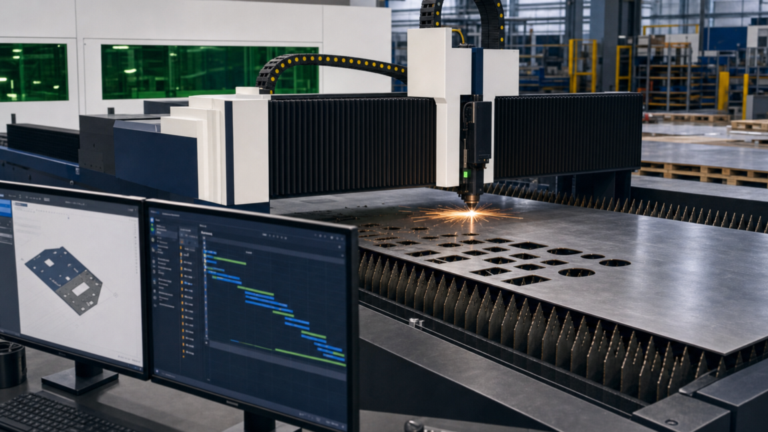
The HSG GFA is a large-format fiber laser for flat-sheet and plate cutting. See when recurring oversized work, material handling, configuration, and downstream capacity support a dedicated machine.
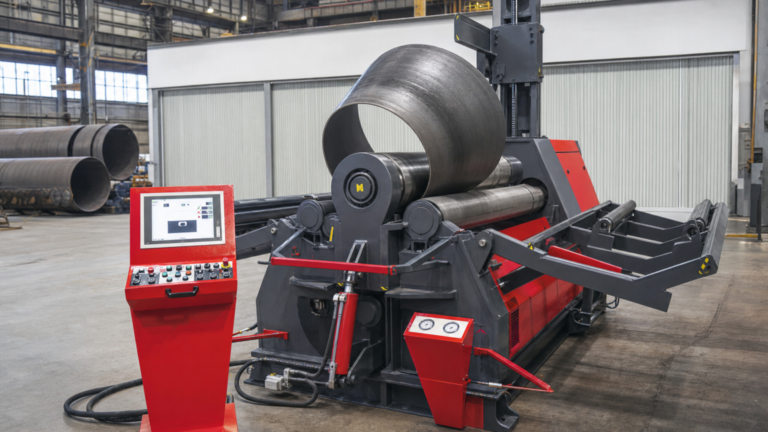
JSW’s Baytown plate-mill upgrade is a reason to review four-roll plate-roll requirements, not a reason by itself to buy a larger machine. Match the decision to the plate your shop can obtain and the parts it must form.
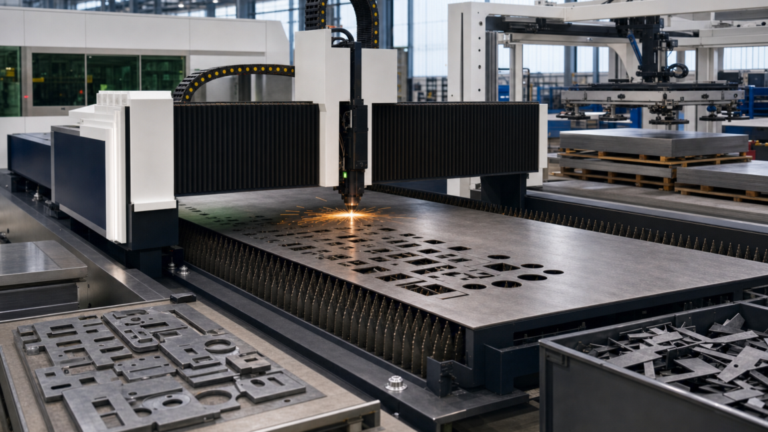
Bystronic’s agreement to acquire Isochronic points to a possible future expansion of its automation portfolio, not a newly available combined system. Fabricators should first determine whether laser outfeed and part sorting are limiting production flow.
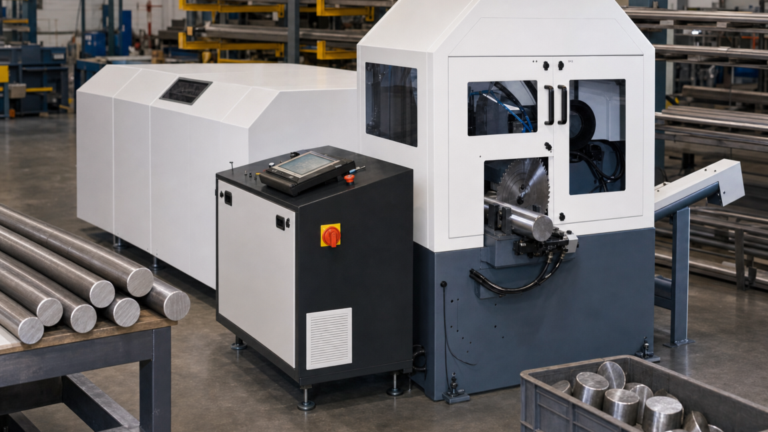
ISM’s August 2026 report put average MRO commitment lead time at 48 days, but that national measure does not set a reorder point for a HYDMECH CSNC-200 blade or repair part. Use machine-specific usage records and current information for the exact part instead.
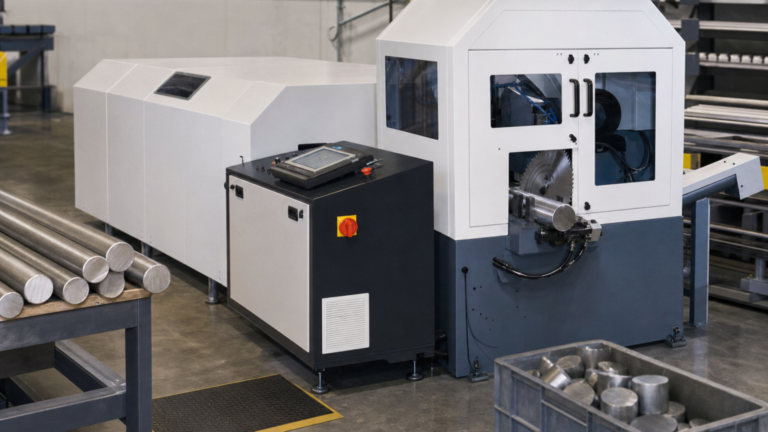
The HYDMECH CSNC-65 fits legacy-saw replacement when production centers on repeat 90-degree cuts through round, square, tube, extruded, or solid-bar stock within its documented capacity.
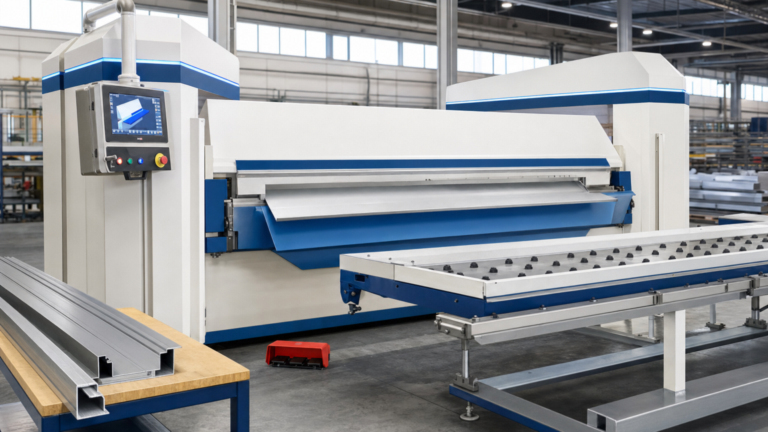
The ERBEND MFE METAL FOLDING MACHINE fits repeatable long-profile work when supported sheet handling, CNC positioning, and programmable folding matter more than press-brake tonnage or deep tooling access.
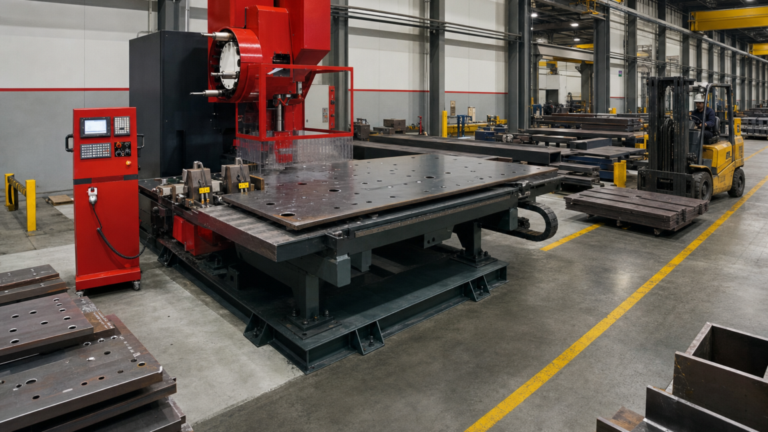
The AFD improves structural-plate throughput when loading, drilling, marking, tapping, outfeed, and the next operation are designed as one controlled material-flow route.
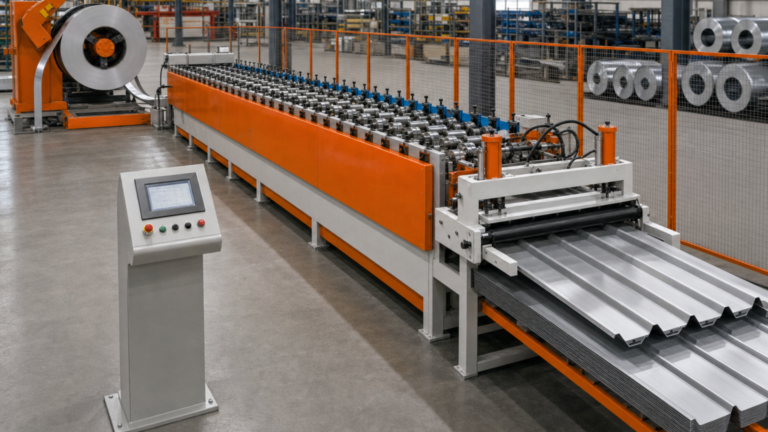
The SSQ3 MultiPro release and SSQ II discontinuation make changeover a timely buying issue. A fixed STEFA four-profile line fits best when recurring profiles, coil supply, cutoff, discharge, and packaging move as one controlled plant flow.
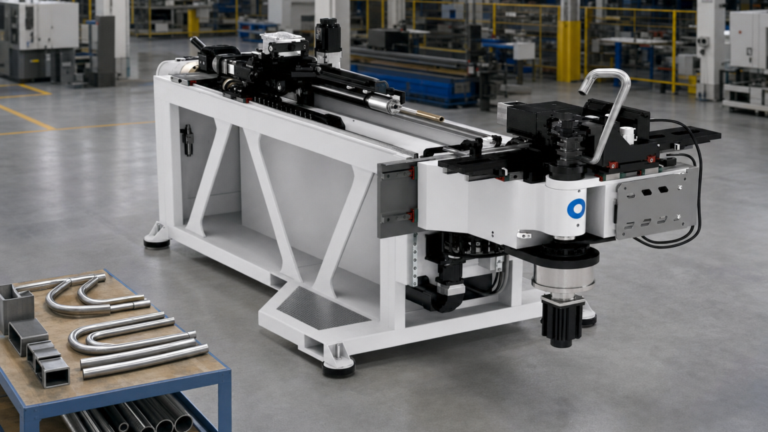
A fully electric right- and left-hand CNC tube bender fits high-mix shops when changing bend directions, radii, tooling, and part families make setup and reorientation a recurring production constraint. The decision still depends on representative-part testing and the exact machine configuration.
End of content
End of content