Used CNC Press Brakes in Indiana: How to Evaluate Controls, Tooling, and ROI Before You Buy
Indiana fabricators weighing a used CNC press brake should check controls, tooling, safety, integration, and lifecycle ROI before committing capital.
A practical evaluation guide for aerospace and defense manufacturers in the Phoenix metro area considering Ermaksan CNC press brakes, with a focus on accuracy, integration, traceability, commissioning, and defensible ROI.
Prodevco Robotic Beam Processing is a workflow and capital planning decision that can affect throughput predictability, labor redeployment, and ROI.
Evaluating Ermaksan press brakes for high-mix U.S. fabricators requires more than checking tonnage and bed length. This executive framework explains how machine architecture, CNC controls, crowning, backgauging, automation readiness, and service planning influence throughput, labor utilization, and capital risk in 2026.
A disciplined framework for evaluating Used CNC Press Brakes in Indiana, from control generations and retrofit paths to tooling, safety, and lifecycle ROI.
A disciplined 2026 capital plan for U.S. manufacturers evaluating Ermaksan CNC and heavy-duty press brakes. This executive analysis connects machine architecture to first-pass yield, audit traceability, labor efficiency, and Section 179 timing.
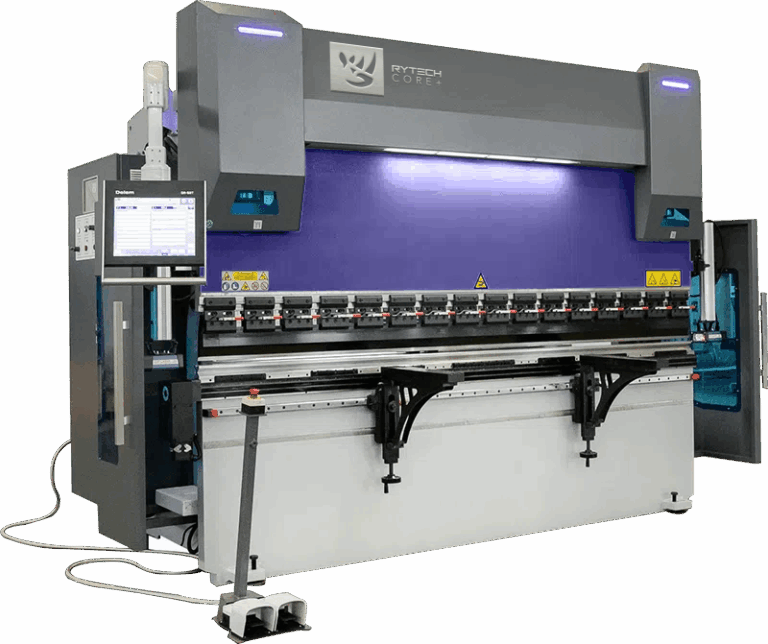
A capital-planning analysis for U.S. fabrication leaders evaluating whether modular Rytech press brake platforms align with labor constraints, throughput targets, and phased CapEx strategies.
Hybrid and servo-driven press brakes are gaining traction across the Western U.S. as fabricators respond to labor instability, energy volatility, and facility constraints. This analysis examines how RYTECH-class systems fit into system-level ROI planning.
A practical decision framework for executives and plant managers evaluating whether 20kW+ HSG fiber laser systems align with heavy plate throughput, labor constraints, infrastructure capacity, and automation strategy across Western U.S. fabrication operations.
End of content
End of content