
A chiller alarm on a fiber laser followed by a slow coolant leak is one of the most common calls I handle, and it usually shows up right when production is stacked. I keep the line moving by identifying the correct OEM components fast, confirming the machine model and serial, and coordinating the right service response so the repair is clean the first time. When we match the failure to a realistic preventive maintenance interval, most of these events become planned stops instead of midnight downtime.
Preventing Unplanned Downtime with Predictable Maintenance Intervals for Lasers, Press Brakes, and Saws
When intervals are unrealistic, shops either overmaintain and lose capacity or undermaintain and get hit with sudden faults like sensor errors, hydraulic drift, or blade tracking issues. Early warning signs operators miss include intermittent alarms, gradual cycle time increases, minor oil misting, inconsistent clamp pressure, or cut edge changes that get blamed on material. The systems most often involved are cooling and filtration, hydraulics and pneumatics, motion components, electrical connectors, and guarding interlocks, and the fix is usually a targeted replacement plus verification of pressures, temperatures, alignment, and repeatability after restart.
For realistic cadence, I push for quick daily operator checks, weekly condition checks, and monthly to quarterly planned PM based on hours, environment, and shift load rather than calendar-only rules. Lasers benefit from weekly chiller and air quality checks, monthly nozzle and optics condition review, and quarterly cooling loop inspection and filter management, while press brakes and saws typically need weekly lubrication and safety checks with monthly alignment and wear reviews. If you need to stage common items ahead of a planned stop, ordering through https://shop.mac-tech.com/ lets us align parts availability with your schedule and reduce emergency shipping and guesswork.
Catching Wear Early to Protect Accuracy, Cut Quality, and Safety
Most accuracy and cut quality problems start as small condition changes, not sudden breakage. On lasers, contamination and thermal instability show up as inconsistent pierce, dross changes, or temperature drift from the chiller and water circuit, and the affected areas include optics consumables, gas delivery, cooling components, and motion guidance. On press brakes, early signs include angle variation across the part, crowning inconsistency, or creeping backgauge positioning tied to tooling interfaces, hydraulic sealing, encoders, and linear guides, and the practical fix is to replace worn seals, clean and reseat interfaces, then validate repeatability with a short test run and angle check.
Saws and structural systems often telegraph problems through noise, vibration, wandering cuts, and heat, and the usual culprits are blade condition, guides, bearings, gearbox lubrication, and vise clamp systems. After any repair, I have teams verify squareness, tracking, clamp pressure, and coolant delivery so the issue does not return on the next bundle. A realistic approach is daily visual and sound checks by operators, weekly verification of coolant concentration and delivery, and a monthly inspection of wear points like guides, wipers, and clamps, with deeper alignment checks quarterly or when quality indicators start to drift.
Extending Machine Life with Realistic PM Tasks and Documentation That Fits Production
The best PM program is the one your crew can execute consistently, with simple documentation that ties tasks to symptoms, machine hours, and known wear items. Missed warning signs often come from undocumented tweaks like bypassed filters, topping off hydraulic oil without finding the leak, or running dirty air that slowly damages valves, regulators, and seals. The affected categories are filtration and fluids, lubrication points, electrical terminations, sensors and switches, and motion alignment, and the fix is usually a controlled service stop with fluid management, cleaning, component replacement, then confirmation of baseline readings like pressures, temperatures, and positional repeatability.
For cadence, I recommend short daily operator checks, a 30 to 60 minute weekly maintenance block, and a scheduled monthly or quarterly window for deeper inspection based on shift count, material mix, and environment. Documentation should include before and after photos, alarm codes, meter readings, and what was adjusted so the next event is diagnosed faster. If you want a lightweight workflow for tracking tasks and parts used, Vayjo at https://vayjo.com/ can support maintenance documentation and scheduling without adding overhead.
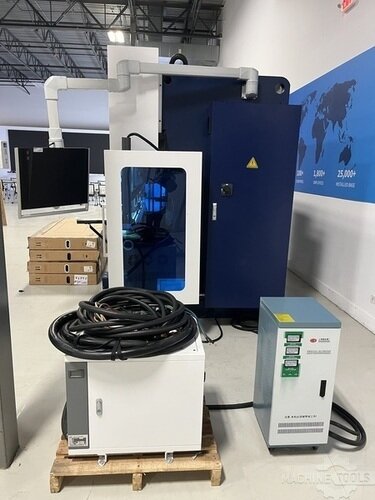
HSG HC1703
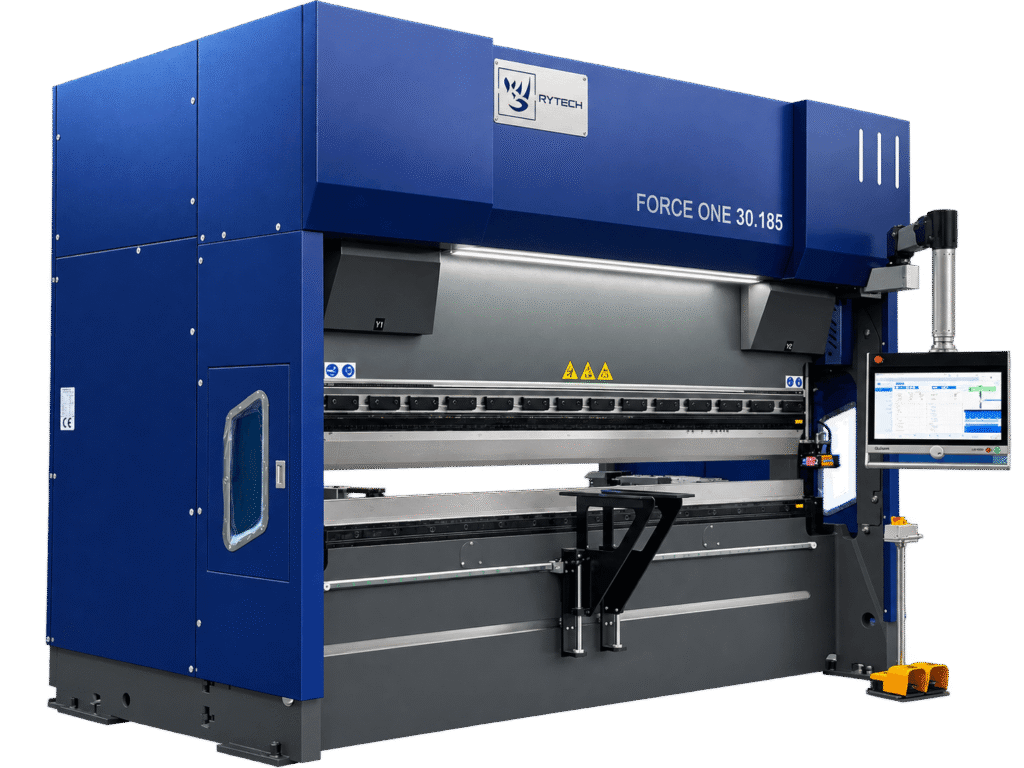
RYTECH FORCE ONE HYDRAULIC PERFORMANCE PRESS BRAKE
Getting Parts and Service Support from Nicole Salato at nicole@mac-tech.com
Most downtime gets extended because the wrong part was ordered, the machine variant was misunderstood, or critical details like alarm codes and photos were missing. I focus on OEM accuracy by confirming model and serial, reviewing symptoms and maintenance history, and matching the repair to the correct assemblies such as chillers and filters for lasers, hydraulic and gauging components for press brakes, and blade guides and coolant systems for saws. The practical approach is coordinated parts and service scheduling so parts arrive before the planned stop, then a post-repair validation to confirm temperatures, pressures, alignment, and safety interlocks are correct before full production.
To prevent repeat failures, we also plan a small on-hand spares list based on your run time and failure risk, not a generic checklist. Typical inspection cadence is daily operator observation, weekly clean and verify tasks, and monthly to quarterly replacements and calibrations depending on hours and conditions, and I help set those intervals so you are not overmaintaining. For OEM parts sourcing and planned shipments, you can start at https://shop.mac-tech.com/ and I will confirm compatibility before anything goes on your shelf.
FAQ
What are realistic PM intervals for lasers, press brakes, saws, and structural systems?
Most shops do daily operator checks, weekly condition checks, and monthly to quarterly deeper PM depending on hours, environment, and shift load.
How do I spot wear before it becomes downtime?
Look for trend changes like small accuracy drift, intermittent alarms, new vibration or noise, temperature instability, and cut quality changes that gradually worsen.
What information should I send to identify the right part quickly?
Send the machine model and serial, clear photos of the component and tag if present, alarm codes or messages, and a short description of when the issue occurs.
Is OEM worth it versus non-OEM for maintenance parts?
OEM typically protects fit, reliability, and calibration assumptions across variants, which reduces rework and repeat failures in lasers, brakes, and saws.
What spares should I keep on hand to protect uptime?
Keep high-usage consumables and failure-prone maintenance items tied to your machines and hours, such as filtration, seals, sensors, and wear interfaces, based on your history.
What post-repair checks prevent the same failure from returning?
Verify baseline readings like pressure, temperature, alignment, tracking, and repeatability, then run a short validation job to confirm quality and stability under load.
Contact me for preventive maintenance scheduling, service coordination, or OEM parts support at nicole@mac-tech.com, and use https://shop.mac-tech.com/ to start your parts request.
Get Weekly Mac-Tech News & Updates
