Prodevco PCR42 for Four-Face HSS Cutting
The PCR42 is worth evaluating for feature-rich HSS members and mixed structural-profile work. Its fit depends on geometry, incoming stock, required edge quality, and total processing time.

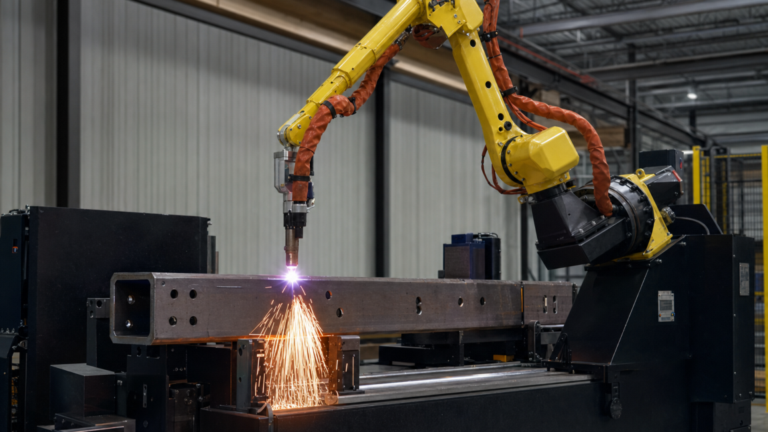
The PCR42 is worth evaluating for feature-rich HSS members and mixed structural-profile work. Its fit depends on geometry, incoming stock, required edge quality, and total processing time.
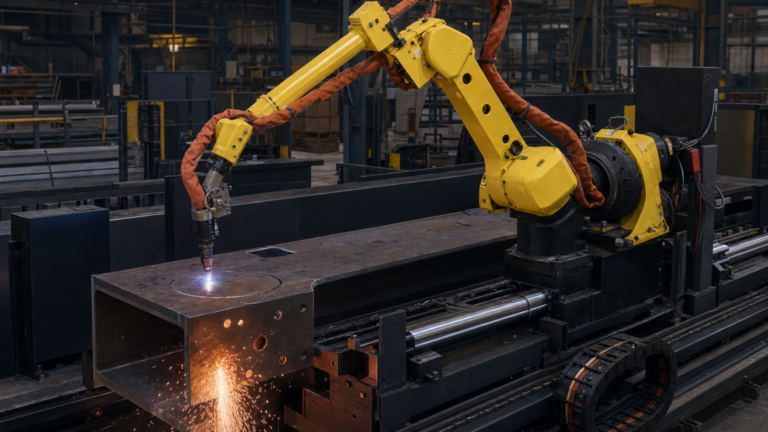
The Prodevco PCR42 is specified to accept DSTV/NC1 files from detailing software such as Tekla and SDS2. That may allow a shop to retain its detailing platform, but compatibility depends on the contents and settings of representative exports.
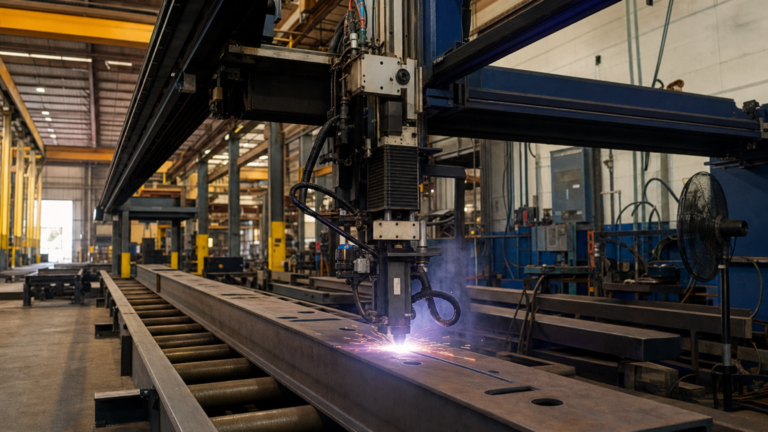
A used 2015 PRODEVCO PCR42 can modernize structural beam preparation when the shop proves file compatibility, material flow, safety, and support for the exact machine before installation.
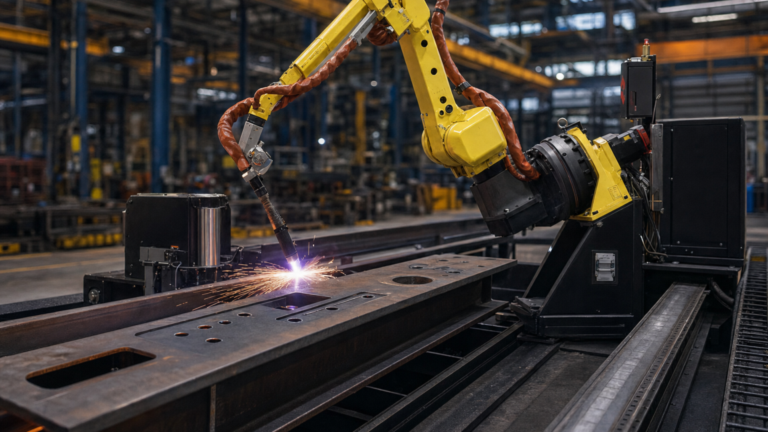
Weldall’s August 2026 Bay 5 completion creates a timely capacity question for Upper Midwest structural shops: does beam-feature preparation justify robotic plasma processing, or is the real constraint saw capacity, material flow, or downstream welding?
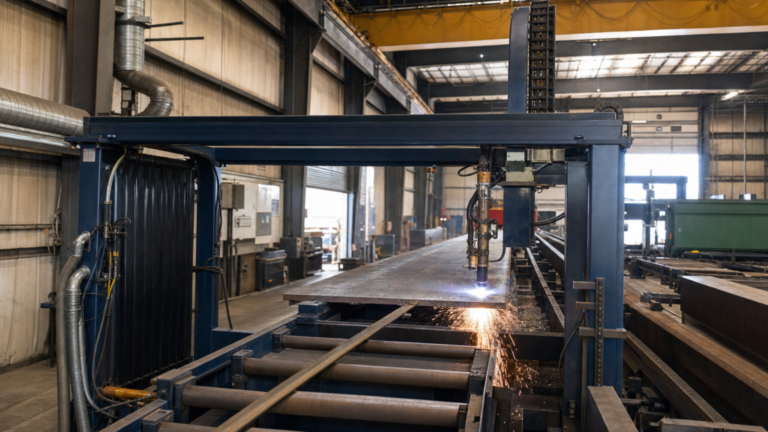
The PRODEVCO PCR42 fits a structural-steel capital plan when recurring beam and HSS work moves through several processing steps, reliable DSTV or NC1 data is available, and downstream capacity can use the output.
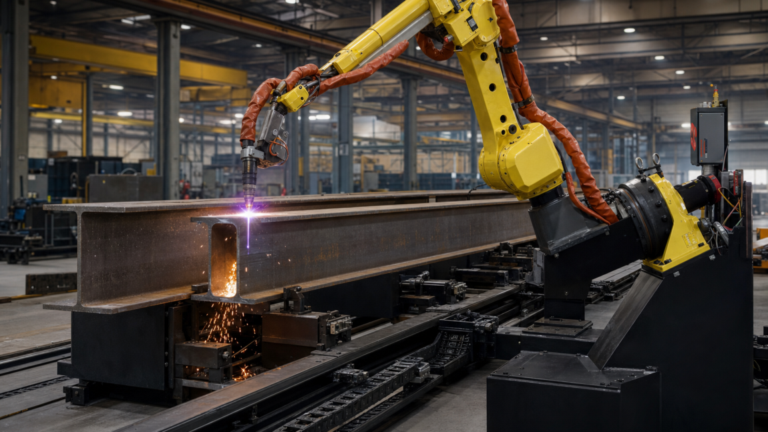
Accelerated bridge construction makes predictable beam processing more valuable, but it does not by itself make every structural fabricator a candidate for robotic plasma automation. The PRODEVCO PCR42 is worth evaluating when recurring plasma features, digital detailing, and manual coping or layout delays are the measurable constraint.

The Prodevco PCR41 and PCR42 share core robotic plasma processing capabilities and direct DSTV/NC1 file input. The real selection boundary is the structural profile envelope you run repeatedly, the scope of four-face processing required, and whether PCR42 two-zone processing solves a documented indexing issue.
A practical analysis of the Prodevco PCR42 for Detroit automotive structural shops, comparing robotic plasma beam processing to traditional drill and saw workflows.
Manual beam coping and drilling setups create bottlenecks, handling delays, and layout errors. This operational analysis explains how Prodevco robotic plasma lines consolidate four-face processing, DSTV-driven data flow, and material handling into a single controlled workflow for Upper Midwest structural steel shops.
End of content
End of content