Press Brake Control Retrofit Approval Starts With the Programming Handoff
The right control retrofit improves the path from programming through setup and first-part approval. The wrong scope simply moves delay from the brake to the office.
Checklist for turnkey multi-machine robotic welding cells at Los Angeles–Long Beach Harbor—layout planning, integration, training/off-line programming, ROI logic, OSHA acceptance.
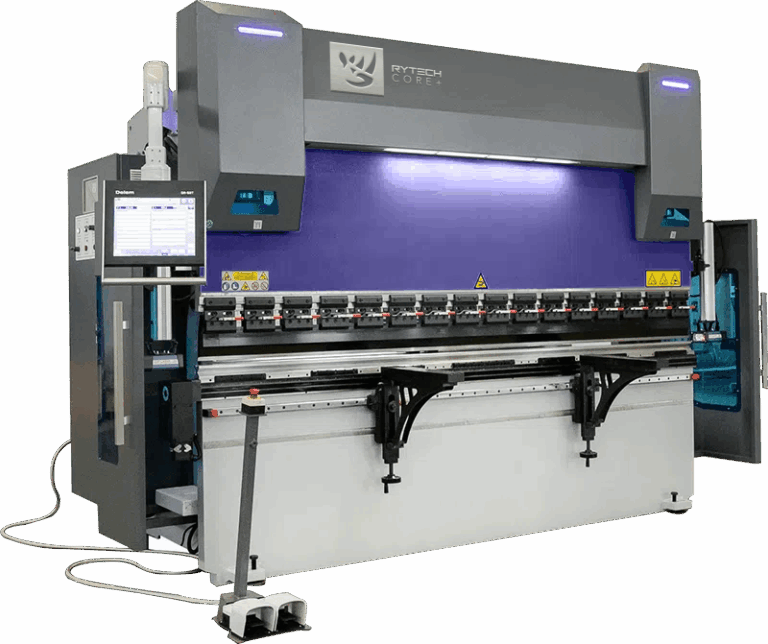
A step-by-step checklist to evaluate a RYTECH press brake upgrade: prep programs offline with Delem, validate automation-ready building blocks, and plan OSHA-aligned safeguarding.
Use Delem (Profile-T) Offline Programming for Press Brakes to verify tooling feasibility, bend sequence, and collision risk—then plan a safe online handoff aligned to OSHA guarding.
A buyer guide to Delem retrofits: offline programming, bend simulation, collision checks, and the safety limits that still apply on the shop floor.
A practical buyer guide for evaluating RYTECH press brakes by workflow fit, control usability, staged automation, and uptime support rather than brochure specs alone.
For Illinois fabricators, a RYTECH Press Brake Upgrade should be judged by cell fit, control setup, safeguarding, tooling compatibility, and service support after install.
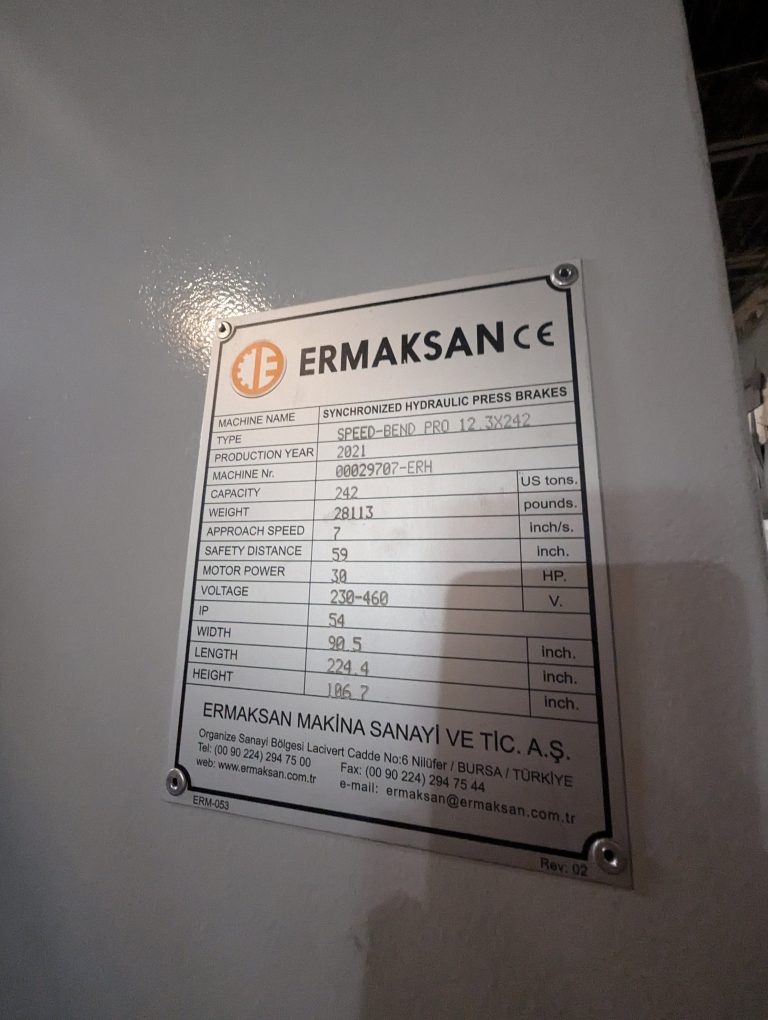
An executive guide to Ermaksan press brakes: what to measure before approval, from throughput and Delem controls to crowning, guarding, automation, and ROI.
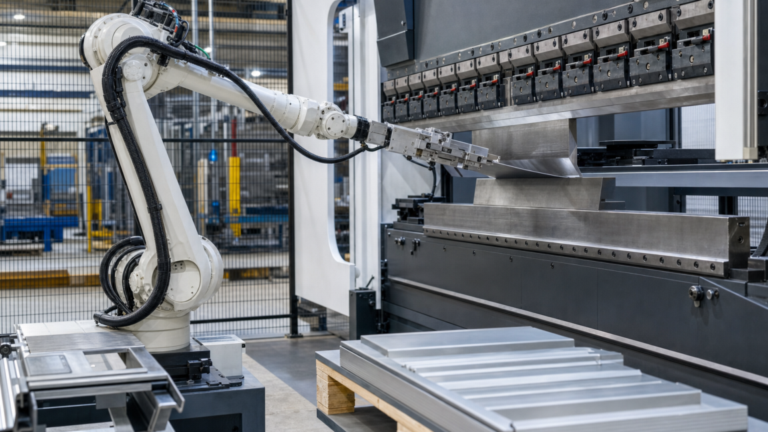
Evaluating Ermaksan press brakes for high-mix U.S. fabricators requires more than checking tonnage and bed length. This executive framework explains how machine architecture, CNC controls, crowning, backgauging, automation readiness, and service planning influence throughput, labor utilization, and capital risk in 2026.
End of content
End of content