When to Add a Second Sheet Fiber Laser
A second sheet fiber laser adds shippable capacity only when cutting is a recurring constraint and staffing, material flow, uptime, and downstream processes can absorb the added work.

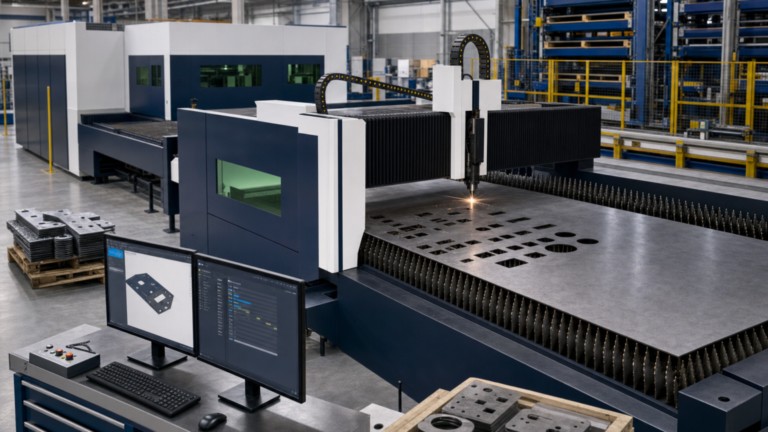
A second sheet fiber laser adds shippable capacity only when cutting is a recurring constraint and staffing, material flow, uptime, and downstream processes can absorb the added work.
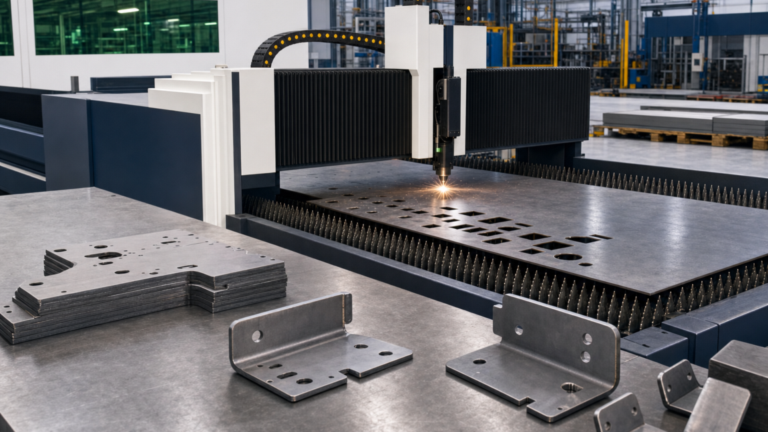
Use a bend relief where a press-brake bend ends beside constrained material or meets another flange. Set its shape, width, depth, and remnant around the actual bend zone and the finished corner the part needs.
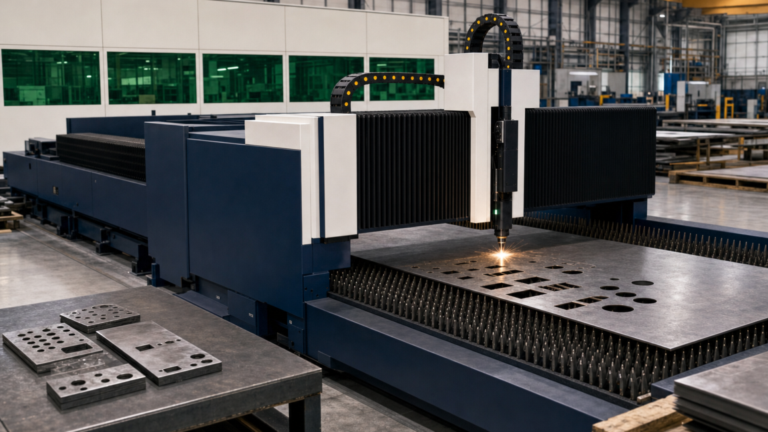
TRUMPF’s planned Cutlite acquisition would expand its large-format cutting portfolio. For oversized sheet and plate work, bed size, laser power, and loading capacity remain distinct decisions.
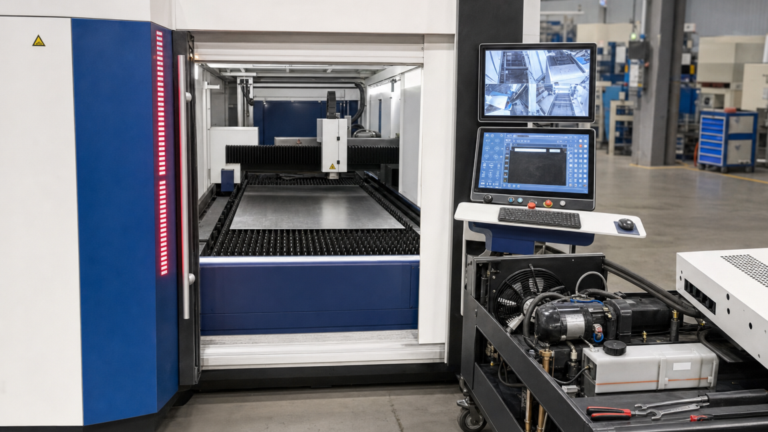
Maintain heat rejection, coolant circulation and condensation control on the HSG G3015XPRO 20KW. Lower coolant temperature is not automatically safer.
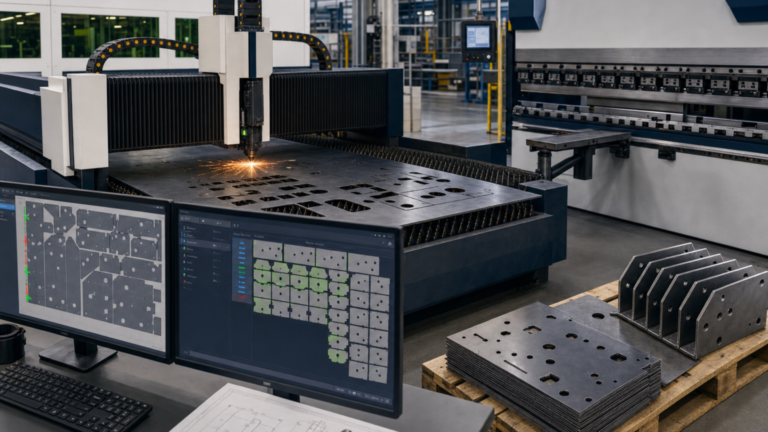
Restrict laser-nest rotation only when material guidance, bend requirements, finish specifications, or validated forming results make sheet orientation consequential.
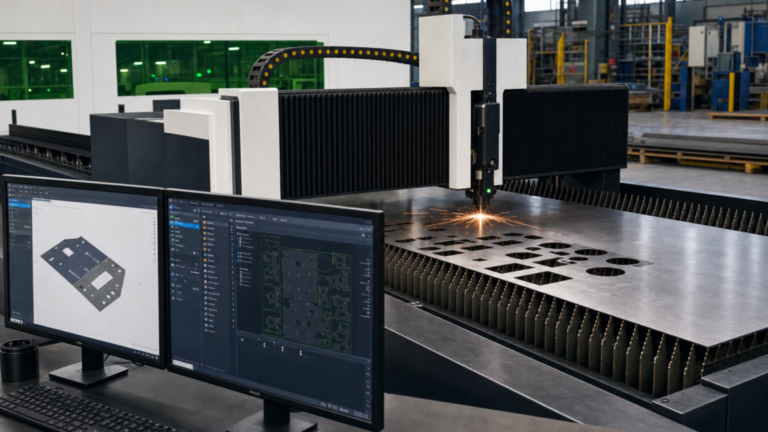
Aucto’s Otinus partnership puts new flat-sheet fiber lasers alongside used and surplus equipment in one marketplace. The shared search can simplify discovery, but buyers still need to compare each machine’s configuration, condition, support, site needs, and installed cost.
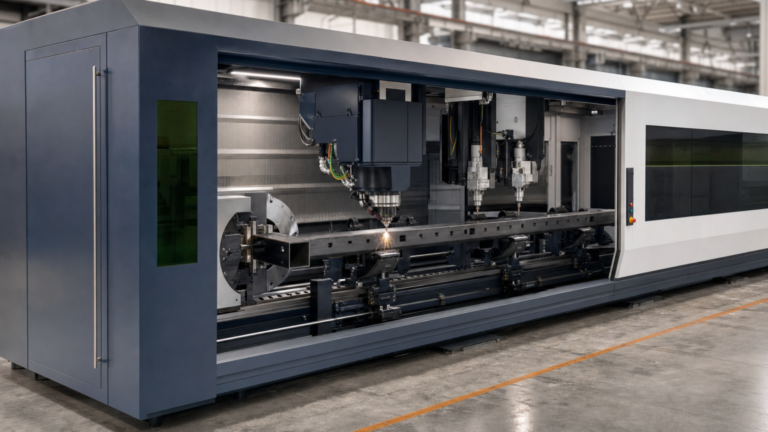
The HSG TPSD combines tube-laser cutting with mechanical thermal drilling and tapping. Learn when that integrated route may fit recurring tube parts and what to validate before relying on formed threaded holes.
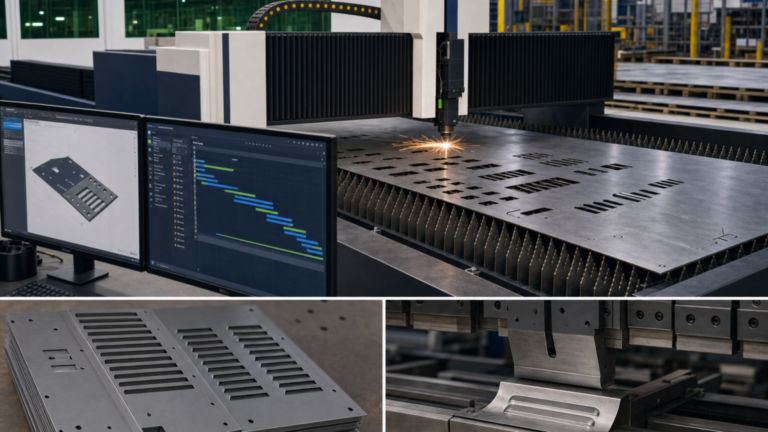
A CNC press brake with special forming tooling can produce selected louvers, embosses, clips, countersinks, and extruded holes in laser-cut blanks. The practical boundary depends on feature geometry, blank preparation, tooling, machine access, changeover, and production volume.

Automatic nesting for the HSG G3015H can reduce programming effort and improve material decisions, but the best production result balances utilization with cut reliability, remnant control, job priority, part identification, sorting, and downstream bending capacity.
End of content
End of content