AGT BLOK 400 vs. 500 for Heavy Weldments
Choose between BLOK 400 and BLOK 500 by testing required weld access, workpiece presentation, rotation, and positioner fit—not part size alone.

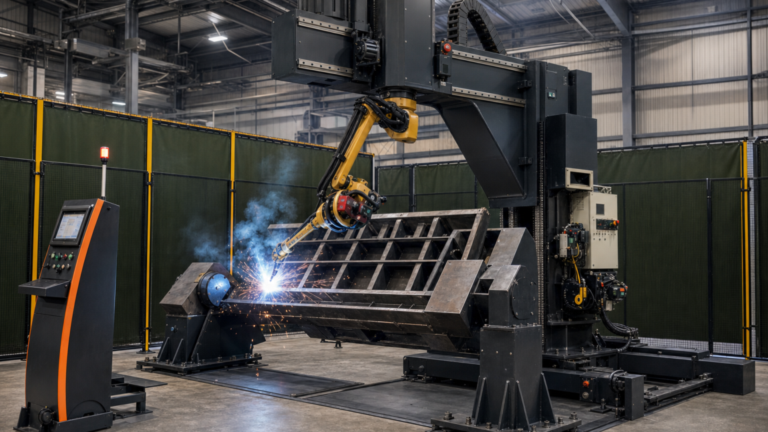
Choose between BLOK 400 and BLOK 500 by testing required weld access, workpiece presentation, rotation, and positioner fit—not part size alone.
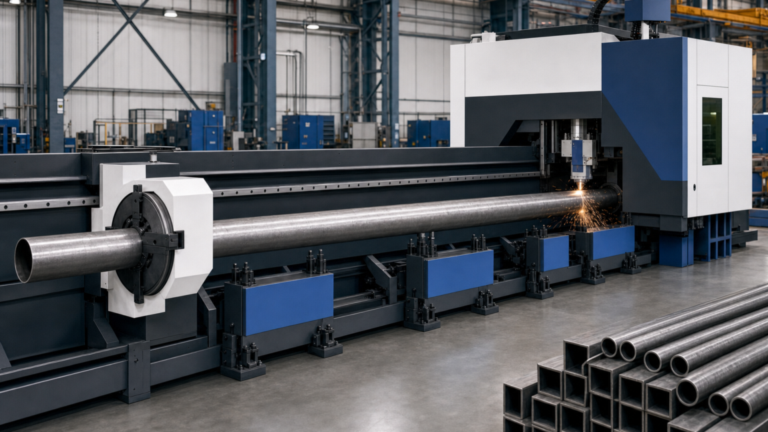
Buying tube-laser capacity should follow recurring compatible work, not total supplier spending. Use the HSG TS2 V2.0 to compare ownership costs, released capacity, configuration fit, and the flexibility of outsourcing.
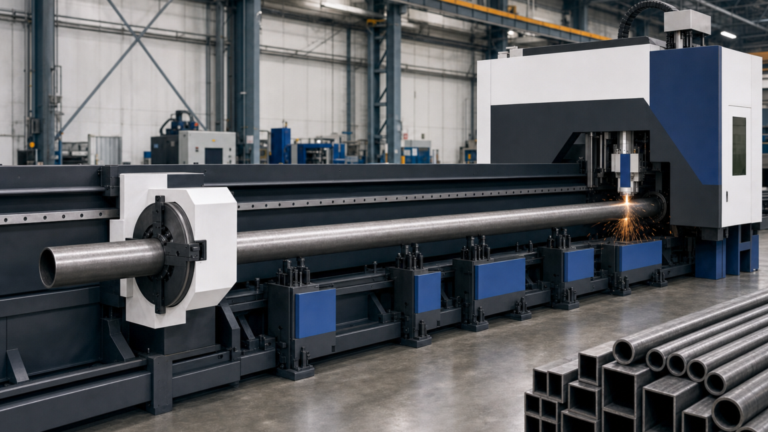
September 2026’s policy-rate increase calls for updated financing terms, not an automatic purchase delay. Evaluate the HSG R1 against recurring small-tube work, demonstrated production benefits, and the selected loading package.
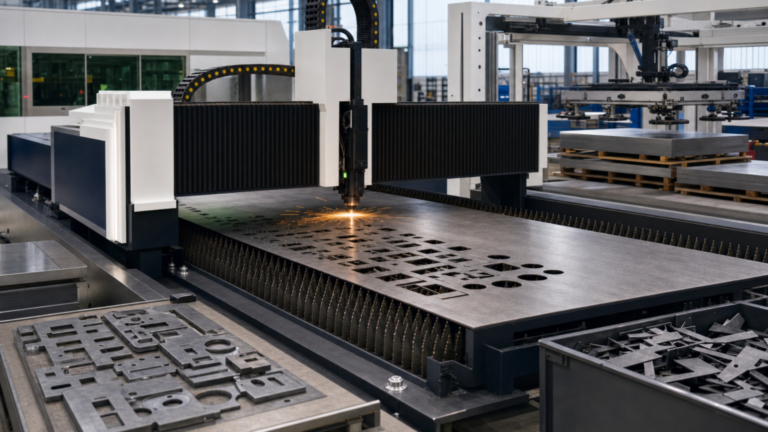
Bystronic’s agreement to acquire Isochronic points to a possible future expansion of its automation portfolio, not a newly available combined system. Fabricators should first determine whether laser outfeed and part sorting are limiting production flow.
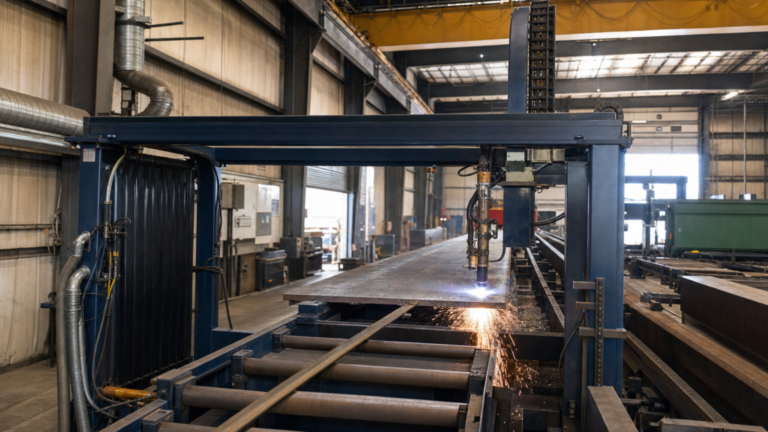
The PRODEVCO PCR42 fits a structural-steel capital plan when recurring beam and HSS work moves through several processing steps, reliable DSTV or NC1 data is available, and downstream capacity can use the output.
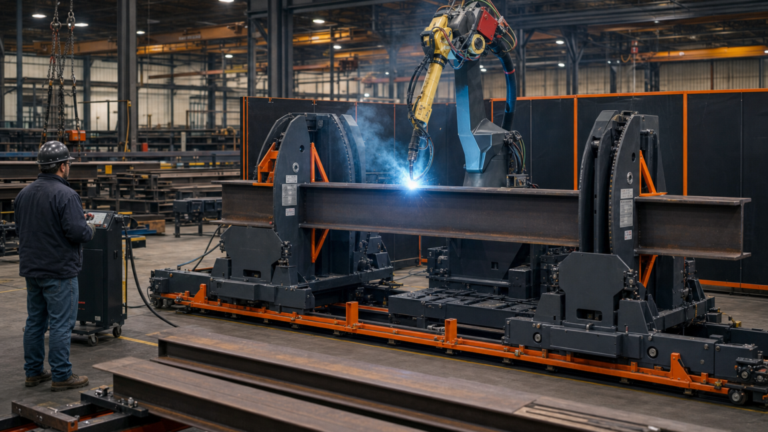
NovAI’s ABB and Yaskawa expansion changes the proof required in a robotic-welding capital review, but it does not justify delaying a needed structural-welding capacity investment.
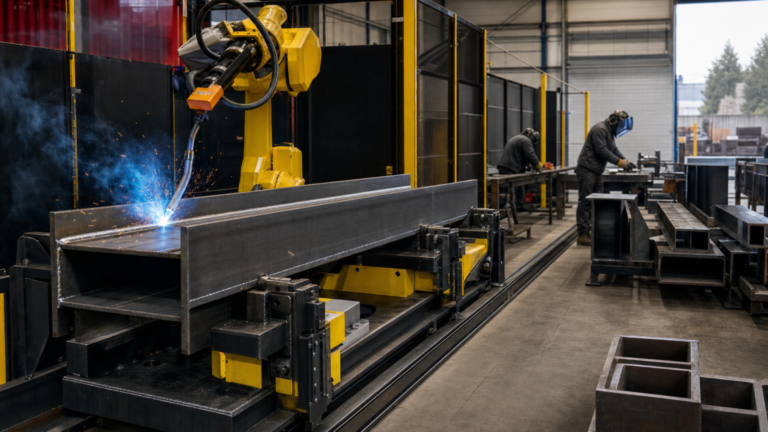
The AGT Robotics BeamMaster is a strong capital candidate when pre-fit structural assemblies, digital weld data, accessible joints, surface preparation, and sufficient volume are already controlled. When those conditions are missing, additional manual welding capacity, fitting improvements, or a staged automation plan may produce the better first result.
End of content
End of content