FANUC AI Welding Agent and BLOK CAD Programming
FANUC’s drawing-driven announcement gives AGT BLOK buyers a practical comparison: engineering inputs, joint coverage and remaining preparation—not an assumed cell upgrade.

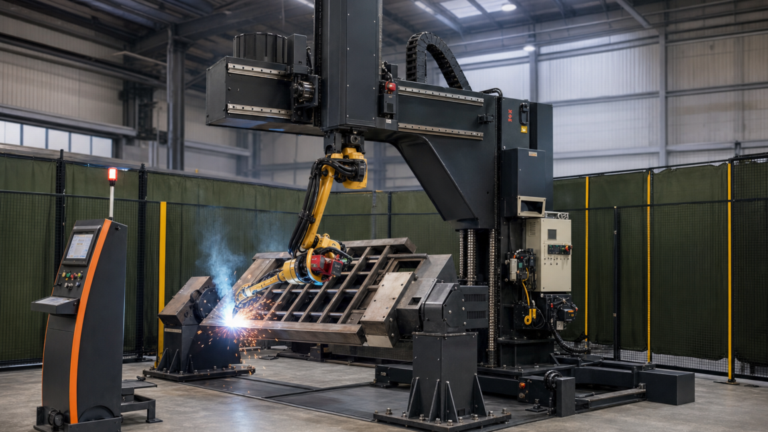
FANUC’s drawing-driven announcement gives AGT BLOK buyers a practical comparison: engineering inputs, joint coverage and remaining preparation—not an assumed cell upgrade.
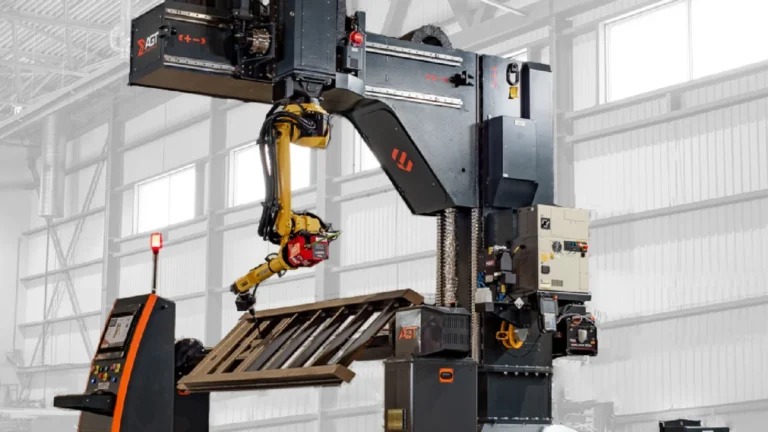
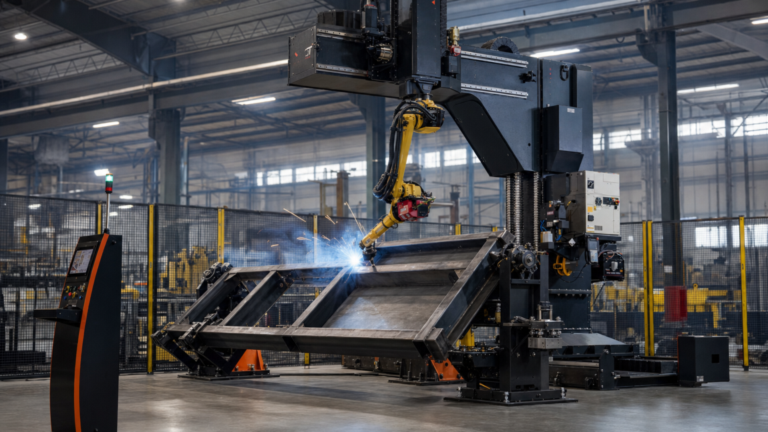
AGT BLOK fits large, variable weldments needing extended robot travel and configurable positioning. Evaluate usable welding capacity and the complete application under the revised R15.06 safety framework.
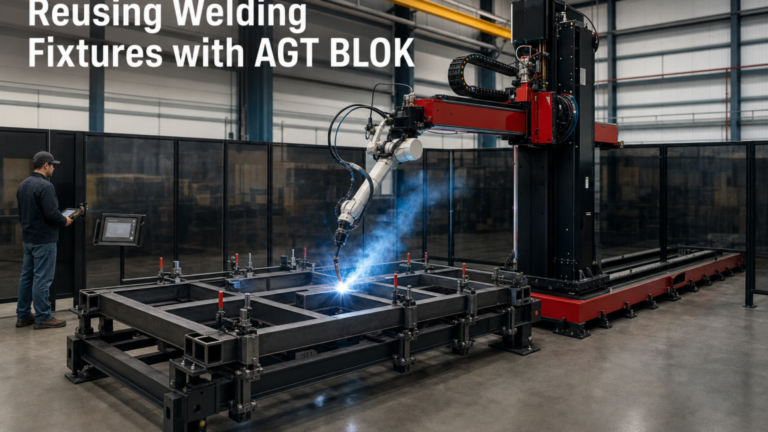
AGT BLOK supports customer-supplied tables or trestles. Evaluate whether existing welding fixtures should be retained, modified or replaced.
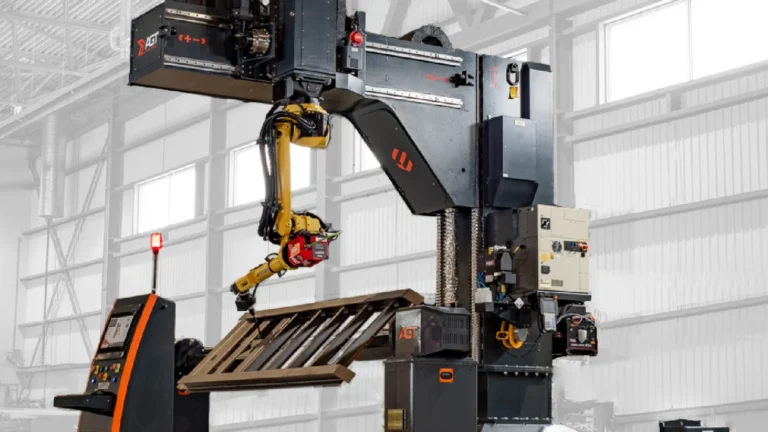
A SnapCam-equipped AGT BLOK can adjust a weld path to measured joint position. Fit-up, assembly stability and torch access still need separate control.
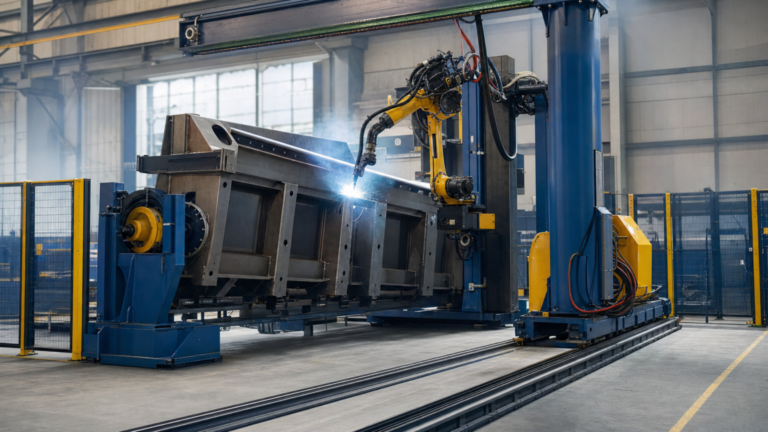
A new PEMA WeldControl workflow adapts multi-pass patterns to measured groove geometry. For high-mix buyers, that is a different capability from creating programs or correcting joint location.
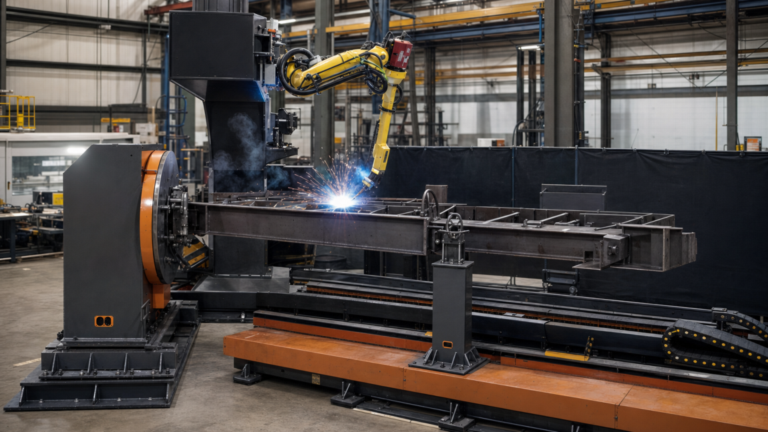
Tate’s reported 58-cobot rollout across three plants is an adoption example, not a production benchmark for every shop. Compare the work, reach, positioning, and operating workflow before choosing between a collaborative welding station and an AGT BLOK heavy cell.
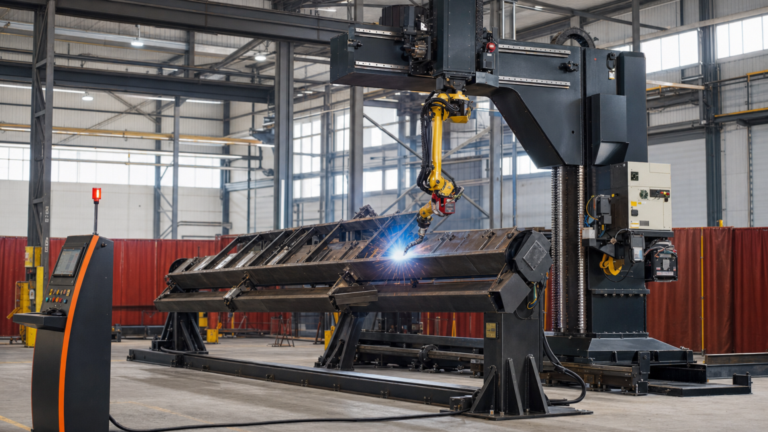
AGT BLOK is best approved as a phased robotic-welding platform when a defensible first weldment family and a specific follow-on family can share the cell’s reach, workholding logic, data workflow, and facility investment. When only one application carries the business case, a narrower single-cell decision is easier to defend.
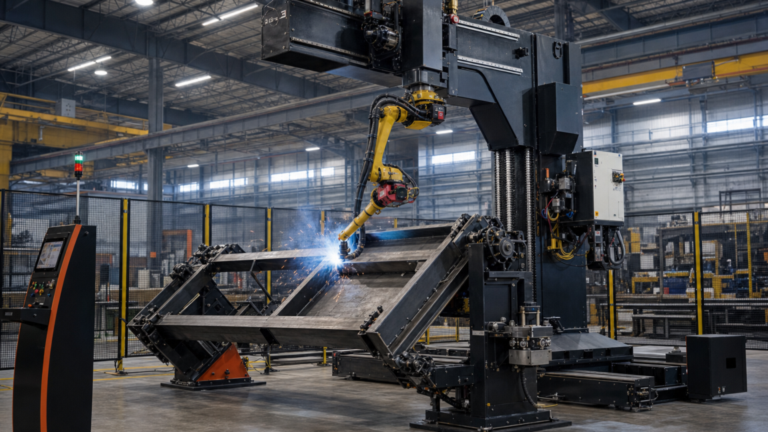
AGT BLOK is a practical candidate for fabricators that repeatedly weld medium-to-large frames, skids, trailers, trusses, containers, and other complex assemblies in changing batches. The fit depends on recurring part families, consistent presentation, useful positioning, validated programming, safeguarding, training, and clear ownership after commissioning.
FANUC’s AI Welding Agent changes the software and upgrade questions around robotic welding, but it does not by itself remove the physical capacity, reach, positioning, workholding, and process-control reasons to evaluate an AGT BLOK system now.
End of content
End of content