
Why RYTECH Uptime Matters on the Shop Floor
In many U.S. fabrication shops, the press brake sets the pace for downstream operations. When a RYTECH press brake slows down or stops, forming backs up, weld cells wait, and delivery dates tighten.
RYTECH systems are designed for precision bending and production flexibility. Like any hydraulic and CNC-driven machine, long-term reliability depends on structured preventive maintenance, disciplined parts management, and fast issue response.
As Service and Parts Lead at Mac-Tech, I work daily with shop owners, maintenance managers, and operators who are responsible for keeping RYTECH equipment running. The most successful teams treat uptime as a system, not a reaction.
Core Systems That Deserve Routine Attention
A RYTECH press brake integrates hydraulics, CNC control, motion components, and safety circuits. Each area requires routine oversight.
- Hydraulic system: Monitor oil level, temperature, filter condition, and any sign of leaks around hoses, fittings, or cylinders.
- CNC control and drives: Watch for recurring alarms, inconsistent axis response, or unexpected resets.
- Backgauge system: Verify repeatability and alignment, especially if operators are compensating more than usual.
- Safety devices: Test light curtains, emergency stops, and interlocks at scheduled intervals.
Industry guidance from The Fabricator emphasizes that preventive maintenance is one of the most effective ways to reduce unplanned downtime in press brake operations, particularly when hydraulic cleanliness and alignment checks are prioritized.
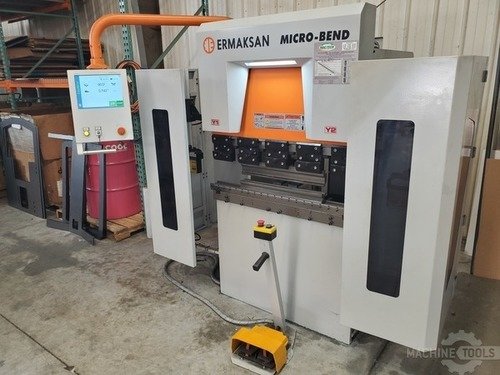
ERMAKSAN MICROBEND

WILSON TOOL INTERNATIONAL
Preventive Maintenance That Reduces Unplanned Stops
A structured schedule protects both accuracy and component life. For most busy fabrication environments, I recommend aligning tasks to usage hours and production intensity.
Daily and weekly focus:
- Clean tooling seats and inspect punches and dies for visible damage.
- Check for hydraulic leaks or unusual pump noise.
- Confirm axes home correctly and repeat within expected tolerances.
- Drain air system moisture if pneumatic clamping is used.
Monthly and quarterly focus:
- Inspect hydraulic filters and replace per condition or schedule.
- Verify ram parallelism and backgauge repeatability with a simple test piece.
- Back up CNC parameters and programs.
- Inspect electrical cabinets for dust buildup and proper fan operation.
These steps align with broader metalforming best practices promoted by industry organizations such as FMA, which highlight maintenance planning as a key driver of throughput stability in press operations.
OEM Parts and Configuration Accuracy
When a component fails, accuracy in parts identification is critical. Modern press brakes rely on tightly integrated hydraulic valves, servo drives, and CNC controls. Using OEM-specified components helps preserve compatibility, machine performance, and documented safety configurations.
RYTECH press brakes supported through Mac-Tech are backed by coordinated service and parts support designed to maintain system integrity across hydraulic, electrical, and control subsystems.
In my day-to-day role, I confirm machine model and serial details, verify configuration, and ensure the correct component revision is sourced. This avoids repeat failures and shortens troubleshooting time.
Early Warning Signs Maintenance Teams Should Not Ignore
Most major failures begin with subtle changes. Encourage operators and maintenance leads to report:
- Angle drift that requires increasing correction during a shift
- Rising hydraulic oil temperature under normal load
- New vibration, squeal, or pump whine
- Backgauge inconsistencies or axis lag
- Intermittent CNC alarms that clear and return
Addressing these signals early typically limits repairs to targeted components rather than larger assemblies.
Building a Practical Spare Parts Strategy
High-performing shops do not wait for failure to identify critical spares. Instead, they classify components by impact and lead time.
- Keep common wear items on hand such as hydraulic filters, select sensors, fuses, and cabinet fan filters.
- Track recurring issues to identify patterns and adjust stocking levels.
- Align preventive maintenance windows with production slow periods.
This approach supports service continuity and reduces the risk of extended downtime during peak production cycles.
Service Coordination That Protects Production Schedules
When service is required, preparation makes the difference. Providing clear fault descriptions, alarm history, and photos allows for faster triage. In many cases, remote guidance combined with correctly staged parts restores operation without extended delays.
For more complex issues, coordinated field service ensures technicians arrive with the correct components and documentation, minimizing repeat visits.
A Long-Term View of RYTECH Reliability
Press brake performance is not just about tonnage and stroke capacity. It is about consistency, accuracy, and predictability over years of production. Shops that invest in preventive maintenance, disciplined parts management, and timely service coordination consistently see fewer disruptions and more stable output.
If you are evaluating your current RYTECH maintenance plan, reviewing recurring faults, or planning a smarter spare parts strategy, I encourage you to think through where small adjustments today could prevent larger problems tomorrow. Use the contact form below to ask questions, review your setup, or get guidance tailored to your shop. Staying ahead of issues is far easier than recovering from them, and I am here to help you keep your equipment running with confidence.
Sources
Get Weekly Mac-Tech News & Updates
