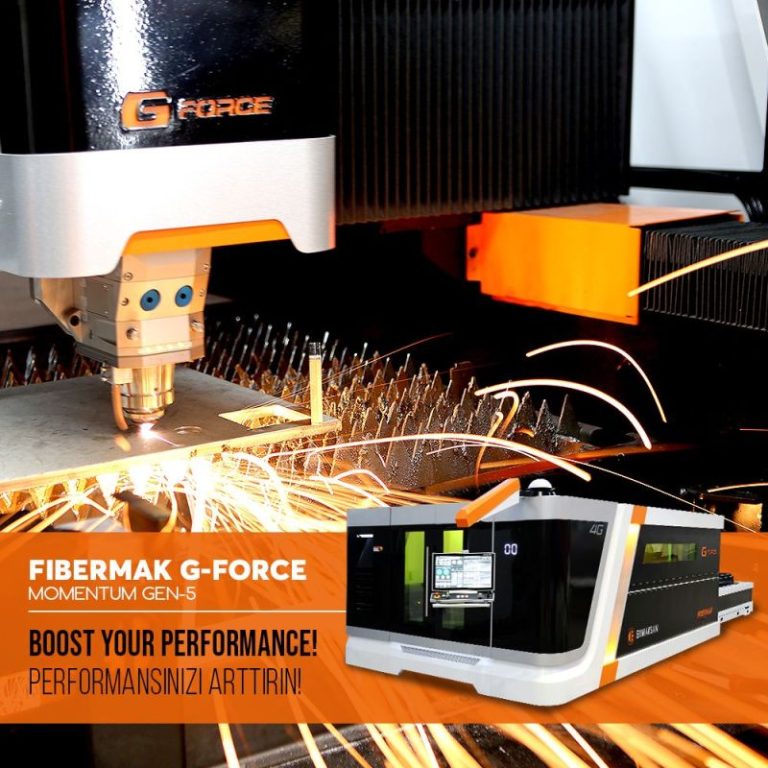
A coolant drip at the cutting head fogged the protective window on an HSG fiber laser during a high-priority job. Cut speed fell off, edges showed heavy dross, and the height sensor started hunting. I diagnosed lens contamination and nozzle wear, supplied the correct OEM window, seals, and nozzle, then verified beam center and focus calibration to stabilize the process and keep the schedule on track.
OEM Optics Nozzles and Laser Alignment That Protect Cut Quality on HSG Fiber Lasers
Contamination and wear in the beam path change how energy couples into the material. Burn marks on the protective window, residue on optics, and a poor beam focus are classic signs that lenses or nozzles are beyond service life. Misalignment adds turbulence at the nozzle, increases kerf width, and forces higher gas consumption to maintain edge quality.
Typical affected parts and fixes:
- Protective window and o-rings: replace, clean seats, verify purge flow
- Focus lens or collimator lens: inspect for haze or pits, replace as needed
- Copper nozzles and ceramic holders: replace worn or ovalized orifices and cracked ceramics
- Capacitive height sensor and cabling: recalibrate standoff, check offset and linearity
- Cutting head bellows and seals: replace if brittle or leaking to keep dust and coolant out
- Fiber connector and dust caps: inspect and clean per OEM procedure
- Assist gas plumbing: test for leaks, confirm pressure, and check filter elements
Prevention strategies I apply:
- Confirm nozzle concentricity and runout with a centering routine and dial indicator
- Perform beam-on alignment checks and focus calibration on a target plate
- Set purge air dryness and flow to OEM spec to keep optics clean
- Verify chiller temperature stability and flow alarms to protect glue lines in optics
- Lock in cut database updates after nozzle or optics changes
Identifying Worn Optics Nozzles and Scheduling Preventive Maintenance Before They Stop Production
Symptoms that escalate from minor to major include slower pierce, wider kerf, inconsistent burr, and rising gas use. If you see heat tinting on the protective window or a beam that is off center relative to the nozzle, the next failure is usually a sudden loss of pierce reliability.
What I look for during inspection:
- Protective window haze, spatter specks, or ring-shaped burn patterns
- Nozzle orifice ovality, edge nicks, and poor seating to the ceramic
- Height sensor drift or hunting during contouring
- Focus find repeatability outside tolerance
- Increased pierce time or more frequent pierce alarms in the HSG log
PM intervals that work in production:
- Daily: wipe nozzle face, visual check of protective window, verify standoff calibration
- Weekly: replace protective window if any haze, run nozzle concentricity check, test gas leaks
- Monthly: inspect focus lens, check bellows and seals, verify chiller filters and setpoint
- By hours or pierce count: pre-stage nozzle and window changes before cut quality degrades
Actions before quality drops:
- Replace nozzles on a fixed count for your material mix rather than waiting for defects
- Keep a labeled kit of protective windows, o-rings, and ceramics at the machine
- Trend pierce times on key materials to flag early contamination
- Book alignment verification whenever the head takes a bump, after seal replacements, or after major cut database edits
Fast OEM Parts Sourcing and Service Coordination With Nicole Salato at Mac-Tech
When cut quality is slipping, speed and accuracy matter. I match the exact cutting head configuration on your HSG and specify the correct OEM windows, lenses, nozzles, and seals so the fix is right the first time. I coordinate on-site or remote support to minimize disruption and align service with your production windows.
When you contact me, I will:
- Triage symptoms with photos of cut edges, protective window, and nozzle condition
- Review logs for pierce time trends and height control errors
- Confirm cutting head model, lens stack, and nozzle family to avoid mismatches
- Prepare an alignment and standoff calibration plan for after parts installation
- Schedule service during planned downtime and confirm test cuts before release
Value you can plan on:
- OEM parts that preserve cut recipes and machine calibration
- Fast turnaround with coordinated service so you avoid repeated stoppages
- Documented settings and alignment reports for your maintenance record
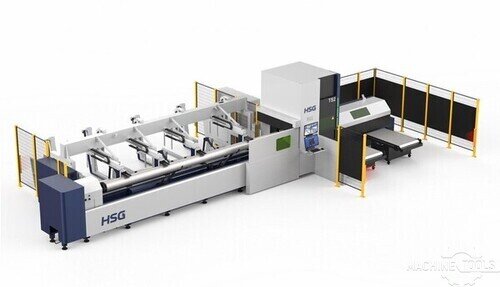
HSG TS2 HIGH SPEED TUBE FIBER LASER CUTTING MACHINE
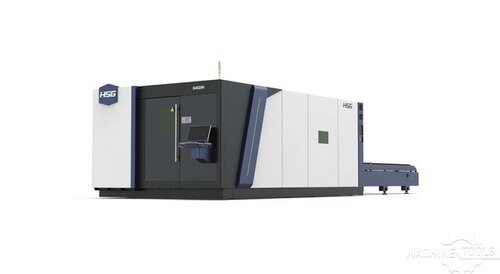
HSG 3015H 12KW
Nicole Salato Is Your Contact for HSG Parts Preventive Maintenance and Rapid Support at nicole@mac-tech.com
I support HSG fiber lasers in high-mix, high-volume shops and know what it takes to keep them cutting cleanly. If you are planning an outage or see early signs of contamination, I can stage parts, align the schedule, and own the follow-through.
A typical PM visit includes:
- Protective window replacement and seat cleaning
- Nozzle runout and beam center verification with burn target
- Focus find calibration and height sensor tuning
- Assist gas leak test, regulator check, and purge air setup
- Chiller setpoint and flow verification
- Inspection of bellows, seals, cable strain relief, and fiber connector cleaning
- Test cuts on your core materials and updates to the cut database if needed
I also coordinate parts and service across your cell, including Hydmech saws, Ermaksan press brakes, Akyapak forming equipment, Prodevco processing systems, and Wilson Tool tooling when relevant to your workflow.
FAQ
How often should press brakes be serviced?
Press brakes should receive a hydraulic inspection and oil change every six months or 1,000 operating hours.
How can I tell if my laser needs optics replacement?
Watch for inconsistent cutting speed, wider kerf, or visible lens haze.
Does Mac-Tech provide parts for older machines?
Yes. Nicole verifies compatibility and supports service for both current and legacy models.
How often should the protective window be changed on an HSG laser?
Inspect daily and replace at the first sign of haze or spatter; heavy production often warrants weekly replacement.
What is the correct chiller setpoint for fiber lasers?
Follow the laser source nameplate; most run in the 25 to 28 C range with stable flow.
Which nozzle size should I use for common sheet thicknesses?
Use the HSG cut database as the baseline; I will confirm the correct nozzle and gas pairing for your materials.
After a nozzle crash, what should be checked before resuming production?
Replace the nozzle and ceramic, verify beam center, run focus find, and inspect the protective window for micro damage.
Contact me at nicole@mac-tech.com to coordinate service, schedule preventive maintenance, or get OEM parts moving today.
Get Weekly Mac-Tech News & Updates

Similar Posts
Go Live Uptime Readiness for Service and Parts
Nicole Salato guides shops to boost uptime by preventing breakdowns, replacing worn parts proactively, and planning reliable maintenance for go-live readiness. Nicole Salato Service & Parts Lead – Mac-Tech nicole@mac-tech.com
Coordinating Emergency Repairs for Michigan Laser and Brake Operators
Nicole helps Michigan laser and brake shops stay ahead of breakdowns with proactive service plans, rapid parts sourcing, and streamlined emergency repairs. Nicole Salato Service & Parts Lead – Mac-Tech nicole@mac-tech.com
Ermaksan Tandem Press Brake Synchronization Sensor Replacement and Recalibration
Nicole Salato helps fab shops prevent breakdowns by recalibrating and replacing Ermaksan tandem press brake sync sensors, planning reliable service schedules. Nicole Salato Service & Parts Lead – Mac-Tech nicole@mac-tech.com
Ensuring Reliability with Rytech Press Brake Parts & Service
In “Ensuring Reliability with Rytech Press Brake Parts & Service,” Nicole Salato guides fabrication shops in preventing breakdowns, replacing worn parts, and planning reliable service schedules. Contact: Nicole Salato Service & Parts Lead – Mac-Tech nicole@mac-tech.com
OEM Light Curtain and Pedal Switch Replacement on Ermaksan Brakes
Nicole helps fab shops prevent breakdowns on Ermaksan brakes with OEM light curtain and pedal switch replacements, worn-part audits, and reliable service plans. Nicole Salato Service & Parts Lead – Mac-Tech nicole@mac-tech.com
Resolving Electrical Board Failures in HSG Fiber Lasers
In “Resolving Electrical Board Failures in HSG Fiber Lasers,” Nicole Salato guides fabrication shops in preventing breakdowns, replacing worn parts, and planning reliable service schedules. Contact: Nicole Salato Service & Parts Lead – Mac-Tech nicole@mac-tech.com