
When I first started at Mac-Tech, I quickly realized that my role was not just about selling equipment; it was about being a trusted advisor to my clients. Every day, I have the privilege of working with businesses to help them understand and harness the power of laser welding technology. It’s incredibly rewarding to see how these innovations can transform their operations and boost efficiency. My goal is always to ensure that my clients maximize their investment and achieve the productivity gains they’re aiming for.
Understanding Client Needs for Laser Welding
The first step in helping my clients calculate efficiency gains is understanding their unique needs. Each business has its own set of challenges and objectives, and it’s crucial for me to grasp these fully. I start by having in-depth conversations with my clients, asking questions about their current processes, pain points, and what they hope to achieve with laser welding. This helps me tailor my approach and ensure that I’m providing solutions that truly meet their needs.
I also make it a point to visit their facilities whenever possible. Seeing their operations firsthand allows me to identify opportunities for improvement that might not be apparent in a conversation. This hands-on approach not only helps me understand their needs better but also builds trust and rapport. Clients appreciate that I’m willing to go the extra mile to understand their business.
Once I have a comprehensive understanding of their needs, I can begin to explore how laser welding technology can address these challenges. This is where my expertise in flat and tube lasers, beam line robotic coping, press brakes, and tube bending really comes into play. By leveraging my knowledge, I can recommend the most appropriate solutions that align with their goals.
Exploring the Benefits of Laser Welding Technology
Laser welding technology offers numerous benefits, and I enjoy demonstrating these to my clients. One of the most significant advantages is the precision it provides. Unlike traditional welding methods, laser welding allows for incredibly accurate and consistent welds, which can significantly reduce material waste and rework. I often share case studies and examples of how other businesses have benefited from this precision, which helps clients envision the potential improvements in their own operations.
Another key benefit is the speed of laser welding. The technology enables faster processing times, which can lead to increased throughput and productivity. I walk my clients through the potential time savings they can achieve, using data and projections to illustrate the impact on their production schedules. This often opens their eyes to the possibility of taking on more projects or reducing lead times, which can be a game-changer for their business.
Additionally, laser welding is known for its versatility. Whether my clients are working with flat sheets or complex tube structures, laser welding can handle a wide range of materials and thicknesses. I highlight this flexibility and discuss how it can streamline their operations, reduce the need for multiple machines, and ultimately lead to cost savings. By focusing on these benefits, I help clients see the value of investing in laser welding technology.
Tailoring Solutions to Maximize Efficiency Gains
Once my clients understand the benefits of laser welding, I work closely with them to tailor solutions that maximize their efficiency gains. This involves analyzing their current workflows and identifying areas where laser welding can have the most significant impact. I use my expertise to suggest process improvements and recommend specific equipment that aligns with their production goals.
I also take into account their budget constraints and operational requirements. It’s essential to provide solutions that are not only effective but also feasible for their business. By offering a range of options and discussing the pros and cons of each, I empower my clients to make informed decisions that best suit their needs.
Furthermore, I emphasize the importance of training and support. Implementing new technology can be daunting, so I ensure that my clients have access to the resources and training they need to succeed. Whether it’s on-site training sessions or ongoing technical support, I’m committed to helping them integrate laser welding seamlessly into their operations.
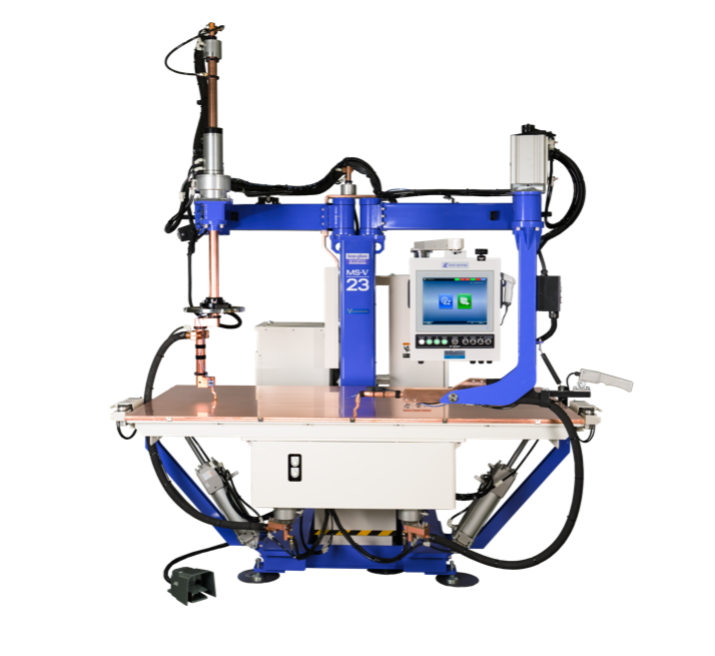
MYSPOT RESISTANCE SPOT WELDING MACHINE
The My Spot Spot Welding Machine delivers innovative, high-speed welding with minimal setup and exceptional results. Its ergonomic floating welding gun design allows operators to bring the weld…

VECTIS AUTOMATION COBOT WELDING SYSTEM
Collaborating with Clients for Optimal Outcomes
Collaboration is at the heart of my approach. I believe that working closely with clients leads to the best outcomes, and I strive to foster a partnership rather than a transactional relationship. This means being available to answer questions, provide guidance, and offer solutions whenever needed.
I also encourage open communication and feedback. By creating an environment where clients feel comfortable sharing their concerns and suggestions, I can continuously refine and improve the solutions I provide. This collaborative approach not only enhances the client experience but also ensures that we’re always working towards the best possible results.
Regular follow-ups are another crucial aspect of collaboration. I make it a point to check in with my clients after implementation to assess the impact of the new technology and address any issues that may arise. This ongoing support helps build long-term relationships and ensures that clients are satisfied with their investment.
Demonstrating Measurable Efficiency Improvements
To demonstrate the efficiency improvements achieved through laser welding, I rely on data and metrics. Before implementing any solutions, I work with clients to establish baseline measurements of their current processes. This provides a clear point of comparison once the new technology is in place.
After implementation, I help clients track key performance indicators (KPIs) such as production speed, material waste, and defect rates. By analyzing this data, we can quantify the efficiency gains and identify any additional areas for improvement. This data-driven approach not only validates the investment but also provides insights into further optimizing their operations.
I also share success stories and case studies from other clients who have experienced similar efficiency gains. This not only reinforces the value of laser welding but also inspires clients to explore new possibilities and push the boundaries of what they can achieve with the technology.
Ensuring Long-Term Satisfaction and Success
Ensuring long-term satisfaction and success is a top priority for me. I understand that implementing new technology is just the beginning, and ongoing support is crucial for sustained success. I remain available to assist with any challenges that may arise and provide guidance on optimizing processes as their business evolves.
I also keep clients informed about the latest advancements in laser welding technology. By staying up-to-date with industry trends and innovations, I can help clients stay competitive and continue to improve their operations. Whether it’s introducing new features or suggesting upgrades, I’m committed to helping them achieve long-term success.
Ultimately, my goal is to be a trusted partner in their journey towards greater efficiency and profitability. By providing exceptional service and support, I aim to build lasting relationships that benefit both my clients and Mac-Tech.
What are the main benefits of laser welding compared to traditional methods?
Laser welding offers several advantages, including increased precision, faster processing times, and versatility in handling different materials and thicknesses. These benefits can lead to reduced material waste, increased productivity, and cost savings.
How do you determine the right laser welding solution for a specific business?
I start by understanding the client’s unique needs and challenges. By analyzing their current processes and goals, I can recommend tailored solutions that align with their objectives and budget.
What kind of support do you provide after the implementation of laser welding technology?
I offer ongoing support, including training sessions and technical assistance, to ensure a smooth integration of the technology into their operations. Regular follow-ups help address any issues and optimize the processes further.
Can laser welding be used for both flat and tube structures?
Yes, laser welding is highly versatile and can be used for a wide range of applications, including both flat sheets and complex tube structures. This flexibility makes it an ideal solution for various industries.
How do you measure the efficiency gains achieved through laser welding?
We establish baseline measurements before implementation and track key performance indicators such as production speed, material waste, and defect rates. This data-driven approach helps quantify the efficiency improvements and identify further optimization opportunities.
What should a business consider before investing in laser welding technology?
It’s important to assess the specific needs and goals of the business, as well as budget constraints and operational requirements. Understanding these factors will help determine the most suitable laser welding solution.
Helping my clients achieve efficiency gains through laser welding is more than just a job for me; it’s a passion. I take pride in being a part of their journey towards improved productivity and profitability. If you’re considering laser welding technology for your business, I’d be delighted to discuss how we can tailor a solution that meets your needs. Let’s explore the possibilities together.
Get Weekly Mac-Tech News & Updates
