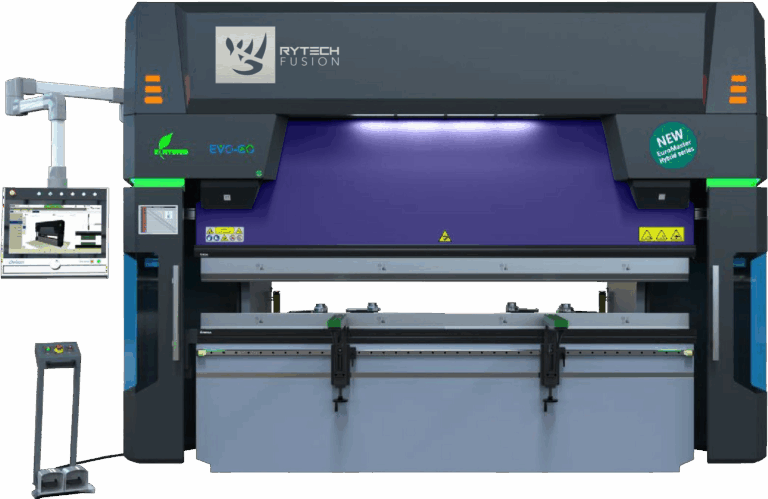
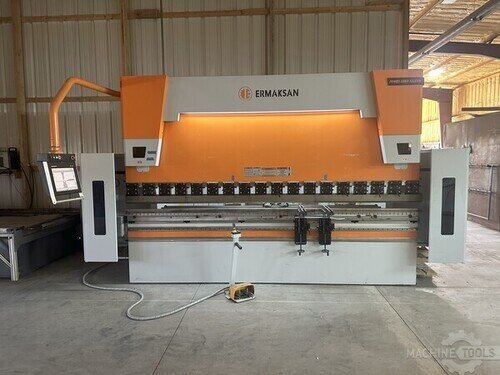
A tandem Ermaksan press brake arrives at a stop with one ram lagging the other, parts halfway formed, and operators unsure whether to power down or continue. I field the call, verify the machine ID, and coordinate a Mac-Tech field tech with the correct OEM synchronization sensors, seals, and calibration tools. While the tech is en route, I guide your team through safe shutdown, simple checks that confirm sensor failure versus hydraulic issues, and preparation that shortens the onsite repair window. The result is quick recovery with accurate parts and a controlled return to production.
Replacement and recalibration that return Ermaksan tandem press brakes to spec
Uneven movement in tandem mode is usually tied to a drifting or failed Y1 or Y2 synchronization sensor, a damaged cable or connector, or hydraulic valve response that no longer matches the CNC profile. Tandem handshake faults and misaligned linkages between rams can amplify the error and trigger stop conditions. Oil contamination and heat accelerate sensor drift and coil resistance changes.
Typical affected parts and fixes:
- OEM Y1 and Y2 synchronization sensors or linear transducers on both frames
- Sensor cables, M12 connectors, and tandem link harnesses
- Proportional or servo valve coils and related feedback wiring
- Mechanical linkages, gibs, and ram guides that influence parallelism
Service steps my team executes:
- Lockout, ram support blocks, and a baseline parallelism and crowning check
- CNC diagnostics for tandem configuration, error logs, and I-O status
- Electrical verification of sensor power, signal quality, and shield continuity
- Hydraulic checks for pressure ramp, leakage at cylinders, and valve actuation
- Sensor replacement in pairs where history shows matched wear, followed by cable strain relief and connector reseating
- CNC zero and span calibration for Y1 and Y2 on each unit, then tandem recalibration
- Mechanical alignment, crowning verification, and bend-angle test coupons across both machines
Prevention strategies I apply:
- Replace sensors before end-of-life when drift trends exceed tolerance over successive PM visits
- Standardize on OEM calibration values and maintain per-machine parameter backups for Delem or Cybelec controls
- Keep oil within the specified cleanliness class to protect sensor electronics and valves
Early detection of worn sensors and linkages that prevent unplanned downtime
The most reliable early indicators are small but consistent differences in approach speed, uneven bottom dead center readings, and new angle variation at the part ends when running tandem. Cable sheath cracks, connector discoloration, and intermittent Y-axis alarms usually precede hard faults. Mechanical secondaries include ram side play, bellows damage that lets debris in, and guide wear.
Early signs to watch:
- Periodic Y1 or Y2 position mismatch alarms at approach or clamp
- Angle drift greater than your normal per-unit variance when both frames are loaded
- Tandem communication faults that clear after power cycles
- Audible valve chatter or hotter-than-normal manifolds
Inspection intervals that work in the field:
- Weekly: quick visual of sensors, cables, bellows, and connector seating
- Monthly: tug test on connectors, check for oil wicking at cable entries, and measure ram parallelism at three points per unit
- Quarterly: hydraulic filter delta-P check, oil sample for ISO code, valve coil resistance, and tandem handshake verification under load
Typical affected parts and fixes:
- Linear scales or magnetostrictive transducers, replaced and recalibrated
- Valve coils and spools, cleaned or replaced if response is out of range
- Ram guides and gibs, adjusted to remove play that corrupts feedback
- Tandem harness or fiber link, repaired to eliminate intermittent communication
OEM parts sourcing, preventive maintenance planning, and service coordination led by Nicole Salato
I manage the full response cycle for Ermaksan tandem synchronization issues and broader maintenance across your fleet. That includes advance PM calendars, field tech dispatch with calibrated test equipment, and parameter backups to shorten calibration time. I keep each machine’s configuration, serial-level BOM, and control parameters on file so we can move fast and return the tandem to spec in one visit.
How I coordinate to minimize downtime:
- Define the fault, confirm the machine and control variant, and schedule the right tech and kit
- Align repairs with your production windows to avoid peak-time disruption
- Provide post-service reports with calibration values, baseline angles, and recommended PM adjustments
Broader support when you need it:
- Press brakes and lasers across Ermaksan and HSG
- Sawing and material prep for Hydmech
- Plate and profile forming with Akyapak and Prodevco
- Tooling interfaces and tooling support with Wilson Tool


ERMAKSAN POWER-BEND FALCON BENDING MACHING
Contact Nicole Salato at Mac-Tech for fast parts and service support at nicole@mac-tech.com
When uneven tandem motion, recurring Y-axis alarms, or angle drift starts to cost good parts, I will coordinate a targeted repair that addresses the root cause. Email me with your machine ID and the last three alarm codes to accelerate troubleshooting. I will schedule a field tech, stage OEM components, and plan the calibration steps that put your tandem back into production quickly.
FAQ
How often should press brakes be serviced?
Press brakes should receive a hydraulic inspection and oil change every six months or 1,000 operating hours.
How can I tell if my laser needs optics replacement?
Watch for inconsistent cutting speed, wider kerf, or visible lens haze.
Does Mac-Tech provide parts for older machines?
Yes. Nicole verifies compatibility and supports service for both current and legacy models.
What are the most common signs of tandem sync sensor failure?
Intermittent Y1 or Y2 mismatch alarms and small but growing angle differences across the two units are typical. A failing sensor will often pass homing, then fault at clamp or bottom.
How long does a sensor replacement and tandem recalibration take?
Most jobs complete within 4 to 6 hours per machine, including verification bends and parameter backups. Complex hydraulic or mechanical corrections may add time.
Can we operate one unit while the other is down?
Yes, single-machine operation is possible if safety and control settings are correct. I will advise safe steps based on your control and guarding configuration.
Do you support Delem and Cybelec tandem configurations?
Yes. We calibrate and back up parameters for both controls and restore tandem synchronization to factory tolerances.
I am ready to coordinate your service, plan preventive maintenance, or supply OEM parts. Contact me at nicole@mac-tech.com for fast, accurate support.
Get Weekly Mac-Tech News & Updates