
As the VP of Sales at Mac-Tech, I’ve had the privilege of working closely with fabrication shops across the Midwest, particularly in Indiana. One of the most significant shifts I’ve observed is the transition from traditional plasma cutting systems to advanced HSG fiber lasers. This evolution is not just about adopting new technology; it’s about unlocking unprecedented efficiency and quality, which directly impacts the bottom line for fabricators.
Identifying Inefficiencies in Traditional Plasma Cutting
In many Indiana shops, traditional plasma cutting has been the go-to method for years. However, it’s not without its drawbacks. The inconsistency in cut quality, higher consumable costs, and slower processing speeds often lead to bottlenecks in production. These inefficiencies can be a significant drain on resources and ultimately affect the shop’s competitiveness.
Insights into HSG Fiber Laser Technology
Enter HSG fiber lasers. These machines offer a transformative solution by delivering faster cut speeds and cleaner edges. Unlike plasma systems, fiber lasers use a focused beam of light, which allows for precise cuts with minimal material wastage. This technology is a game-changer for shops seeking to improve efficiency and reduce operational costs.
Transition Strategies for Indiana Fabricators
Transitioning from plasma to fiber laser technology requires careful planning. It’s essential to assess current workflows and identify areas where the laser can add the most value. Training is also crucial to ensure that operators can leverage the full potential of the new system. At Mac-Tech, we support our clients with tailored transition strategies that minimize downtime and maximize ROI.
Achieving Superior Cut Quality and Cost Savings
One of the most compelling benefits of HSG fiber lasers is the superior cut quality they offer. The precision of the laser results in smoother edges, reducing the need for secondary finishing processes. Additionally, the reduced consumable costs and energy efficiency translate into significant savings, making a strong case for the investment.
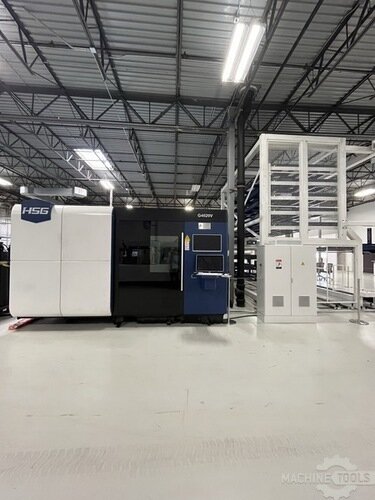
HSG G4020V 6G 30KW + STORE 4020 6
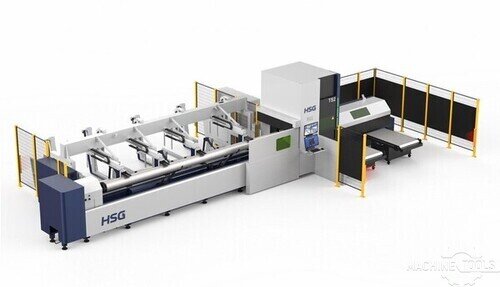
HSG TS2 HIGH SPEED TUBE FIBER LASER CUTTING MACHINE
Real-World Success Stories from Upgraded Shops
Several Indiana fabricators have already made the switch and are reaping the benefits. One shop reported a 30% increase in throughput, while another saw a dramatic reduction in material waste. These success stories highlight the tangible impact of adopting fiber laser technology, reinforcing its value proposition for modern fabricators.
Next Steps for Modern Fabricators
For shops considering this upgrade, it’s crucial to conduct a thorough needs assessment. Understanding the specific demands of your production process will guide the decision-making process. At Mac-Tech, we’re here to assist with evaluations and offer insights into how HSG fiber lasers can fit into your operation seamlessly.
FAQ Block
What is the ROI on upgrading to HSG fiber lasers?
The ROI can vary, but many shops see payback within 18 to 24 months through increased efficiency and reduced costs.
How much training is required for operators?
Training is typically concise, taking a few days to a week, depending on the operator’s experience.
Are HSG fiber lasers compatible with existing systems?
Yes, they are designed to integrate smoothly with most existing production lines.
What about machine uptime and maintenance?
HSG fiber lasers are known for their reliability and require minimal maintenance compared to traditional systems.
How do fiber lasers reduce consumable costs?
They use less energy and have fewer consumable parts, leading to lower ongoing expenses.
If you’re ready to explore how HSG fiber lasers can revolutionize your shop’s efficiency, I’d love to chat. Whether you want to talk shop or schedule an assessment, feel free to reach out. Let’s take your fabrication capabilities to the next level.
Get Weekly Mac-Tech News & Updates
