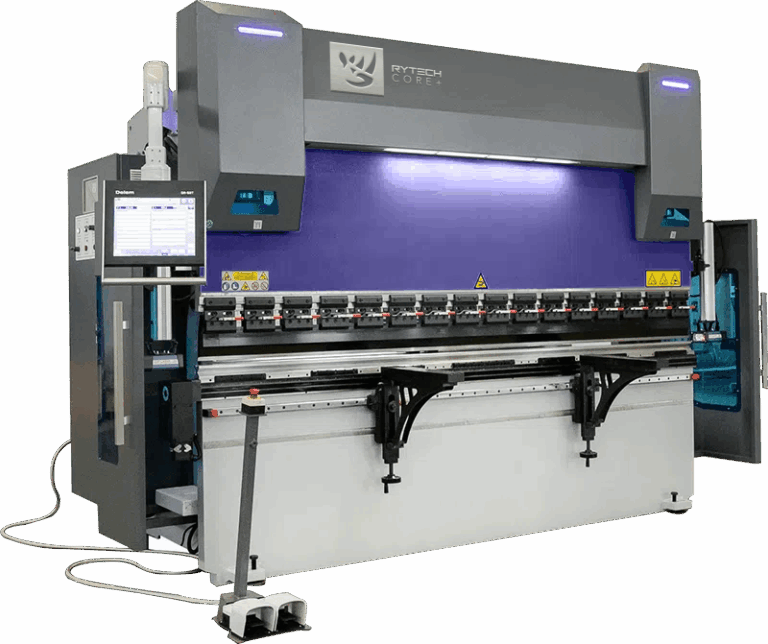
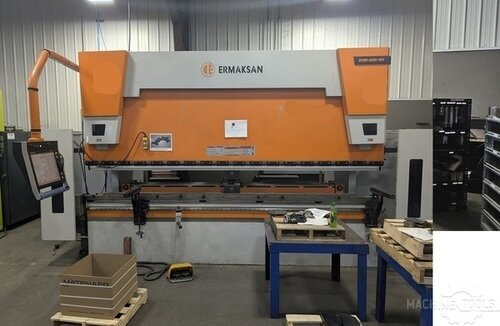
In the Midwest shops I’m in every week, the fastest laser on the floor is often the reason lead times creep up instead of shrinking. I’ve watched cut-and-bend cells turn into WIP parking lots because cutting was optimized in isolation while downstream work was not. One concrete bottleneck I see constantly is changeovers at the press brake that are triggered by inconsistent part presentation, mixed-priority carts, and missing deburr status, which forces re-sorting and rework right at the point of constraint.
When Faster Laser Cutting Creates Bigger WIP Queues in Cut and Bend Cells
The real problem is simple on the floor: the laser runs “green” all day, but parts stack up waiting for deburr, staging, and a brake that can only consume so many kits per hour. When cutting output exceeds the cell’s ability to finish, WIP queues grow, carts get mislabeled, and the brake team starts cherry-picking “easy” jobs to stay moving. That creates hidden scrap and rework when the wrong revision or wrong grain direction slips through.
The practical fix is to run cutting to a controlled release rate that matches the constraint, not the laser’s maximum. I routinely recommend shifting from maximize-sheet-throughput to maximize-kit-completion, so the cell produces fewer partially complete jobs and more brake-ready kits. The measurable outcome is fewer touchpoints and less re-sorting, typically saving 1–2 labor hours per shift in staging and reducing rework events tied to mixed carts.
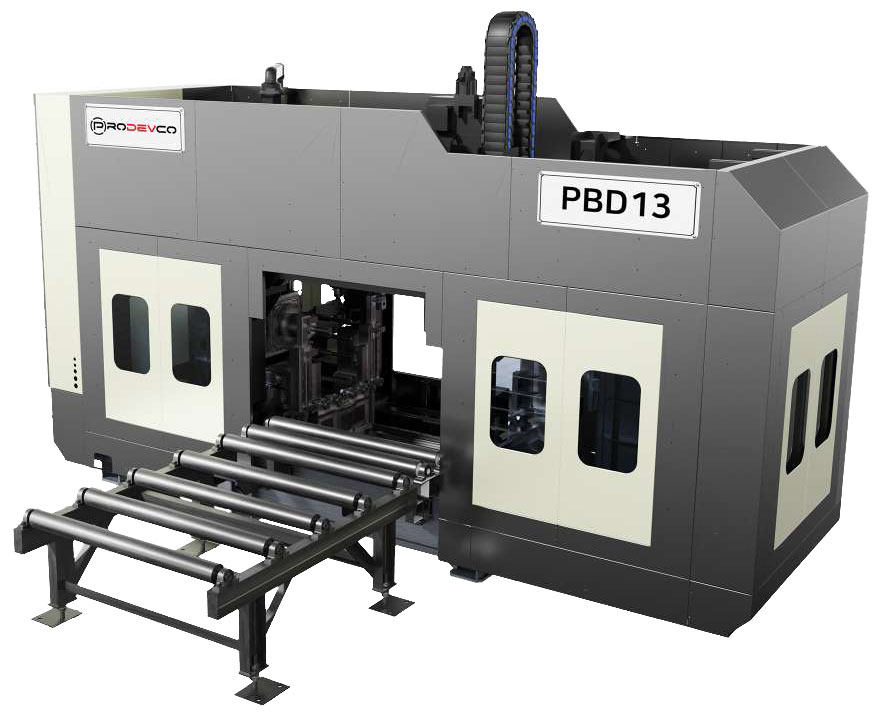
PBM 5000 PLATE BEVELING MACHINE
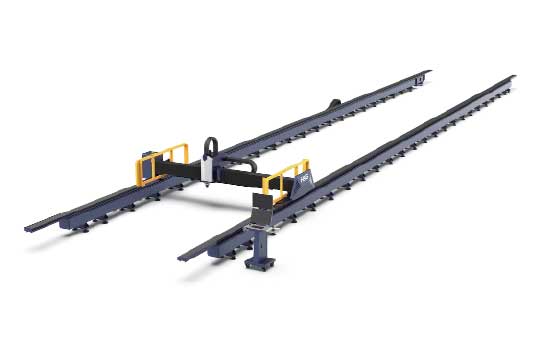
HSG GFA SERIES
Sheet & Tube Cutting in One Machine
Compact. Capable. Cost-Saving.
When you need maximum performance with minimal footprint, the HSG CB Series…
Capacity Mismatch Map Balancing Laser Output, Deburr, Staging, and Press Brake
You cannot balance what you do not measure, and most shops only track laser utilization. A quick capacity mismatch map puts cycle time, changeover time, and uptime side by side for laser, deburr, staging, and brake, then converts each step into kits per hour. The most common finding is that deburr and staging are not “support,” they are rate-limiting steps because they are undersized, inconsistent, or have unclear acceptance criteria.
Common failure points:
- Deburr is batch-processed in large totes, so urgent kits are buried under low-priority work
- Staging has no visual WIP limit, so carts proliferate and parts get separated from routers
- Brake feeding lacks standardized kit order, increasing tool changes and setup resets
- Laser nests are optimized for sheet yield, not downstream completion and sequence
Once you have the map, the fix is to set a pull signal from the brake back to cutting, with explicit WIP caps for deburr and staging. I’ve seen this reduce WIP in the cut-and-bend area by 30–50% within weeks, because the cell stops building inventory that cannot be consumed.
Cut and Bend Cell Design Principles from Adam Quoss to Control Flow and WIP
A balanced cell is designed around flow, not machines. Start by treating the press brake as the pacing asset, then design every upstream step to deliver brake-ready kits with minimal variability in orientation, edge condition, and identification. This means defining what “done” looks like at deburr and staging, then enforcing that definition before parts ever reach the brake.
From an integration reality standpoint, this is where software workflow and simple hardware choices matter: barcode scans for kit status, a single queue visible to laser, deburr, and brake, and consistent cart layouts that match the brake’s feeding method. When Mac-Tech is involved on installs and training, we focus on making sure operators can execute the flow with minimal tribal knowledge, so onboarding is easier and the process does not collapse when a key person is out. The outcome is repeatability: faster changeovers at the brake, fewer missing parts, and less downtime risk from last-minute job hunting.
Right Size Buffers and Standard Work for Deburr, Staging, and Brake Feeding
Buffers are not the enemy, unmanaged buffers are. The goal is small, intentional, labeled buffers sized in hours, not days, so the cell absorbs normal variation without drowning the brake in choices. Standard work then defines the exact sequence: cut complete, deburr verify, kit check, stage location, then brake feed, with no “maybe it’s good enough” decisions on the fly.
Practical controls that work:
- 2–4 hour WIP cap between laser and deburr, enforced by physical lanes and scan status
- Kit-based carts with fixed locations for small parts, hardware, and travelers to prevent loss
- Deburr acceptance checklist tied to edge class and handling risk, reducing cosmetic rework
- Brake-ready staging zones grouped by tool family to cut setup changes and walking time
If you need a tangible starting point for standard consumables and kitting discipline, I often point teams to a single source for consistent shop essentials and replenishment planning via https://shop.mac-tech.com/ so the cell is not improvising abrasives, labels, and handling items. The measurable effect is fewer interruptions: less time searching for parts, fewer misloads, and a noticeable drop in “stop and ask” moments that extend changeovers.
Throughput Gains Lower WIP and Shorter Lead Times Without Starving the Brake
Balancing does not mean slowing down the laser, it means converting laser hours into shipped assemblies faster. When the brake is protected from starvation with small, complete, verified kits, it runs smoother with fewer tool swaps and fewer resets caused by missing or inconsistent parts. The brake team spends more time bending and less time sorting, deburring “just one edge,” or waiting for a remade blank.
In practice, shops typically see lead time compression first, then throughput. It is common to gain 10–20% more brake throughput simply by reducing variation and ensuring the next kit is always ready, while simultaneously lowering WIP because the cell stops launching work that cannot be finished. The biggest “hidden win” is quality: fewer handling marks, fewer wrong-part bends, and fewer rework loops back to cutting.
Next Steps for Modern Fabricators Scaling Balanced Cut and Bend Cells
Start with one product family or one brake as the pilot, then apply the same WIP limits, kit definition, and pull rules before scaling. Measure kits per hour at each step weekly, not machine utilization, and use that data to justify the right investments: deburr capacity, better staging, or brake tooling standardization. If you are considering automation, align it to flow first so you do not automate the creation of bigger queues.
For shops adding connected workflow, a lightweight status layer can help everyone see what is truly brake-ready versus merely cut. In some environments, pairing cell visibility with scheduling support can be accelerated using tools that complement quoting and job flow, and https://vayjo.com/ can be relevant when you are tightening the front end to match what the balanced cell can actually deliver. The key is change management: train to the standard work, audit daily, and lock in the new release rules so the system does not drift back to “run the laser at all costs.”
FAQ
What ROI should I expect from balancing a cut and bend cell?
Most shops see payback through reduced WIP, fewer touchpoints, and higher brake throughput, often within 3–9 months depending on volume and mix.
How long does training take for operators to run a pull-based cell?
With clear standard work and simple scan or visual controls, most teams stabilize in 2–4 weeks with short daily audits.
Should I retrofit my current layout or build a new cell?
Retrofitting usually works if you can enforce WIP lanes, kit carts, and a defined staging zone; new cells make sense when material flow and aisle constraints cannot be fixed.
Will this work with my existing laser, deburr equipment, and press brakes?
Yes, balancing is primarily process and control; compatibility issues are usually about data flow, labeling, and consistent kit presentation, not the machine brands.
How do I reduce uptime risk while changing the workflow?
Pilot on one family, cap WIP tightly, and keep a rollback plan for release rules while you validate deburr acceptance and brake feeding standards.
If you want to walk through your current cut-to-bend flow and pinpoint where WIP is being created, email me at aquoss@mac-tech.com or reach out here: https://shop.mac-tech.com/contact/
Get Weekly Mac-Tech News & Updates