
On coil-fed lines, I keep seeing the same pattern: the roll former or slitter is running fine, but the folding cell becomes the governor because long panels are hard to handle, harder to keep consistent, and easiest to damage. The bottlenecks are rarely about raw tonnage, they are about part flow, setup discipline, and how many times an operator has to touch or flip a 10 to 20 foot skin before it is right. That is where scrap, rework, and unsafe lifts creep in, especially when part geometry changes often and finish requirements are tight.
How Up Down Panel Benders Accelerate Long-Panel Folding in Coil-Fed Production
In traditional long-panel folding, I watch operators spend more time rotating and re-referencing parts than actually bending them, and every touch is a chance to scuff prepainted or protective-film material. On a brake or manual folder, consistent angle and flange length become operator-dependent when parts get long, and the first sign is rework stacking up near QC.
An up down panel bender solves that by keeping the panel referenced while tooling does the work above and below, so the machine makes the flips, not the operator. With systems like Stefa and Erbend panel benders, we can run positive and negative bends in sequence with servo-controlled motion, which reduces handling, shortens cycle time per panel, and keeps the surface off the floor and off hands.
Where I see the fastest payback:
- Long skins with multiple bends per side where manual flipping dominates cycle time
- High-mix work where angle consistency matters more than pure tonnage
- Prepainted or laminated surfaces where cosmetic rejects are expensive
- Cells where skilled press brake labor is scarce or overallocated
Material Flow Optimization from Coil Feeding Through Slitting, Shearing, and Folding
Most folding problems start upstream: coil handling delays, inconsistent flatness, and shear timing issues create variation that shows up later as open corners, oil-canning, or drifting flange lengths. When the coil system is not synchronized to slitting and shearing, operators end up staging blanks, double-handling, and interrupting the folding machine with stop and go feeding.
The practical fix is designing the line as one material flow path: coil systems feeding slitting, then a precision cut-to-length like a Mac Shear, and then direct presentation to the folding cell. If you already have a slitter and shear, we can stage upgrades by improving straightening and cut accuracy first, then adding automated blank transfer and part support into the panel bender.
Material flow checks I run on-site:
- Coil-to-blank variability in camber and flatness after straightening
- Cut-length accuracy and squareness out of the shear
- How many touches from shear exit to first bend
- Whether WIP staging is hiding a capacity mismatch
If you want examples of coil-fed and fabrication line components we commonly integrate, I point teams to https://shop.mac-tech.com/ to start framing the building blocks before we map the full line.
Precision and Repeatability Controls for Long Panels: Backgauges, Tooling, and Servo Automation
Long panels punish small errors because a slight misreference becomes visible over 12 feet, especially on hemmed edges, returns, or architectural skins. In shops relying on manual gauging, the bend angle may be fine, but the flange location floats, and operators compensate differently shift to shift.
Up down panel benders attack this with controlled backgauges, consistent clamping, and repeatable tooling geometry, with servo automation doing the same motion every cycle. On Stefa or Erbend equipment, I look for servo-controlled bending beams, stable reference surfaces, and a control package that can store programs, manage sequences, and reduce operator decisions to load, confirm, and run.
Decision criteria I use for controls and tooling:
- Backgauge travel and support length for your longest blank
- Tooling style for hems, offsets, and sensitive radii on finished surfaces
- Servo vs hydraulic needs based on mix, speed, and maintenance preferences
- Program storage and quick-change features to reduce setup time
Servo automation generally wins for repeatability and fast changeovers in high-mix work, while hydraulic can still make sense when the application is less variable and the plant prioritizes simpler service practices. The goal is measurable: fewer angle corrections, fewer cosmetic defects, and predictable cycle time that stabilizes scheduling.
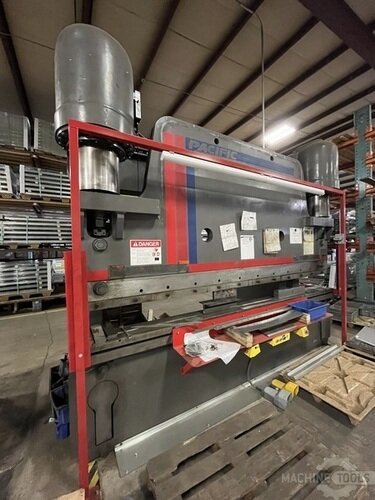
PACIFIC K500-12
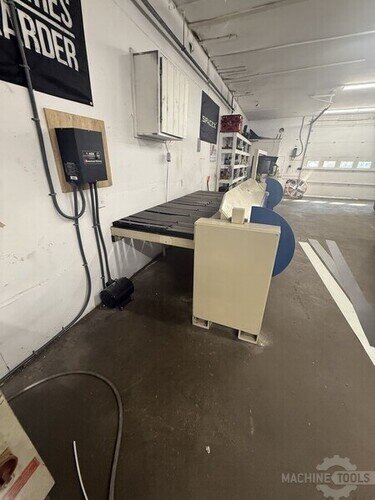
ROPER WHITNEY 1016
Safe Handling Strategies for Large Panels: Ergonomics, Guarding, and Automated Part Support
The safety risk in long-panel folding is not theoretical, it is daily exposure to awkward lifts, pinch points during flipping, and panels acting like sails when someone tries to muscle them into position. When I evaluate a cell, I look at how often the operator’s hands are near the bend zone and how many times the part is lifted above waist height.
Up down panel benders reduce that risk by eliminating most manual flipping and keeping the bend zone guarded while the panel stays supported. Adding automated part support, side tables, and controlled infeed and outfeed lets one operator run work that used to require two or three, and it does it with less strain and fewer near-misses.
ROI drivers that come directly from safer handling:
- Reduced labor per shift through one-person operation on long skins
- Fewer cosmetic rejects from drops, slides, and uncontrolled contact
- Lower injury exposure from less lifting and less part wrestling
- More consistent throughput because the process is less fatigue-sensitive
For plants that want to push further, adding a simple automation layer can bridge to full line integration, and Vayjo can be a useful reference point for broader manufacturing automation strategy when you are planning phased projects: https://vayjo.com/.
Next Steps for Evaluating and Implementing an Up Down Panel Bender Upgrade in Your Line
I start every evaluation with the part, not the brochure, because geometry and finish requirements dictate the right bending approach. I want to see the longest and most troublesome panel, the tightest cosmetic requirement, and the bend sequence that currently creates rework or handling hazards.
What I need to size and quote the right system:
- Profiles or prints showing flange lengths, hems, offsets, and tolerances
- Material type, thickness range, and blank size range from the coil line
- Surface finish requirements and acceptable contact points
- Throughput targets by part family and how often you change over
- Current upstream equipment: coil systems, slitting, Mac Shear, or other shearing
- Operator skill availability and whether you need lights-out capability
From there, we decide whether a staged upgrade makes sense or if full integration is the better long-term move. A staged path might be straightener and shear accuracy first, then a Stefa or Erbend panel bender with part support, and later automation for transfer and stacking; the measurable outcomes are shorter setups, reduced scrap, and labor reallocation away from skilled bending toward higher-value work.
For teams building a project scope, I typically pull a preliminary configuration from the components and options we support at https://shop.mac-tech.com/ and then refine it around your specific parts and constraints.
FAQ
When do I upgrade a folder or brake to an up down panel bender?
When long-panel handling, flipping time, or cosmetic damage is driving scrap and limiting throughput more than raw forming capacity.
Servo vs hydraulic folding, what tradeoffs matter most in production?
Servo typically delivers faster changeovers and higher repeatability for high-mix work, while hydraulic can be attractive for simpler applications with different service preferences.
How do you reduce setup time on a high-mix long-panel schedule?
Use stored programs, standardized tooling, and backgauge automation so operators stop “dialing in” each job from scratch.
What coil handling improvements reduce labor and improve safety before folding?
Better straightening, consistent cut-to-length accuracy, and controlled blank transfer reduce staging, carrying, and corrective handling downstream.
Are panel benders a fit for high-mix production with short runs?
Yes, especially when the mix includes multiple bends per panel and frequent reversals, because the machine reduces operator decision points and flipping time.
What maintenance and wear points should I plan for in coil-fed folding lines?
Focus on straightener rolls, shear blades, backgauge alignment, tooling contact surfaces, and servo drive health to keep repeatability stable.
Contact me for a walkthrough, demo, or upgrade consultation at pat@mac-tech.com or 414-232-7929, and you can also start reviewing options at https://shop.mac-tech.com/.
Get Weekly Mac-Tech News & Updates
