
A common call I handle is a laser that runs fine for hours, then suddenly trips on a chiller alarm because a temperature sensor drifted, a hose seal started weeping coolant, or the filter loaded up just enough to reduce flow. When that happens, my job as Service & Parts Lead at Mac-Tech is to keep production moving by identifying the correct OEM components quickly, confirming compatibility by machine model and serial, and coordinating the right service support so the fix is clean the first time. Most surprise shutdowns are not truly sudden, they leave clues in symptoms and sensor data that operators often overlook in the rush of the shift.
Common Laser Chiller Fault Symptoms That Lead to Downtime
Most chiller trips come from rising thermal load, restricted flow, or unstable refrigerant performance, and the earliest warnings are usually subtle. Operators often miss a slow increase in warm-up time, inconsistent cut quality on thicker material, higher condensation around lines, or a chiller that cycles more frequently than normal even though ambient conditions have not changed. The affected systems are typically the coolant loop (hoses, clamps, seals, filters), pump and reservoir, heat exchanger, and the temperature and flow sensing circuits.
The practical fix is to treat symptoms as a verification checklist, not a single-point failure. Replace compromised wear items with OEM-correct filters, seals, and sensors, then confirm coolant concentration, purge trapped air, verify stable flow, and validate that supply and return temperatures settle normally under load. For prevention, I recommend a quick daily visual check for leaks and condensation, a weekly filter and screen inspection, and a monthly check of coolant condition and fittings, with tighter cadence in dirty environments or high duty cycles.
Sensor Data Trends That Reveal Wear Before Alarms Trigger
Most chillers will alarm late, but the data trends tell the story early if you capture them consistently. The most useful early indicators are a widening delta between supply and return temperatures, slow drift in coolant temperature setpoint stability, intermittent low-flow readings, and compressor or pump cycling that becomes more frequent over days rather than minutes. These trends usually point to restricted filters, pump wear, air ingestion, scaling in the loop, or a sensor that is drifting but not yet out of range.
What to capture each time the issue shows up
- Chiller supply and return temperatures at idle and during a repeatable cut cycle
- Flow rate readings and any flow-switch status changes
- Ambient temperature and chiller inlet air condition, including blocked louvers
- Alarm history and timestamps from the chiller and the laser control
- Coolant condition notes such as color, odor, particulates, and top-off frequency
After repair, confirm that the trend line resets, not just that the alarm clears. I advise logging a baseline snapshot after any service and then spot-checking weekly for the first month to confirm stability, since repeat failures are often caused by a missed restriction, incorrect coolant mix, or a non-OEM sensor tolerance mismatch.
Preventive Checks That Keep Cooling Performance Stable and Maintenance Predictable
Cooling reliability is built on simple checks done on schedule, with OEM-accurate parts and documented baselines. The most common preventable causes I see are neglected filters and screens, coolant contamination or wrong mixture, blocked chiller airflow, and small leaks that slowly introduce air and reduce pump efficiency. These issues affect the coolant loop, filtration, pump assembly, heat exchanger, fans, and the sensor suite that protects the laser source.
A practical preventive approach is to standardize inspection cadence and tie it to production hours, not calendar time alone. Do daily walkarounds for leaks and abnormal cycling, weekly checks of filters, strainers, and condenser cleanliness, and quarterly coolant quality verification plus a full hose and clamp inspection, adjusting more frequently for hot shops or heavy scale-producing water conditions. When replacement is needed, I focus on OEM-correct fit and material compatibility, then verify post-repair flow stability, temperature control under load, and that the chiller vents and intake paths are clear.
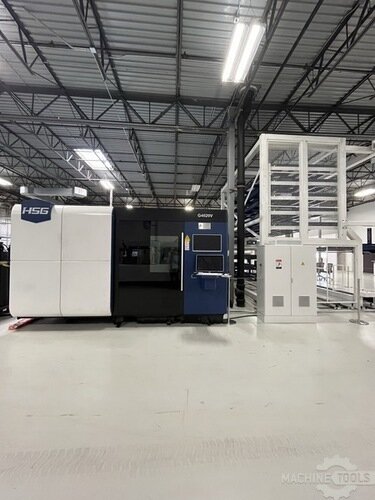
HSG G4020V 6G 30KW + STORE 4020 6
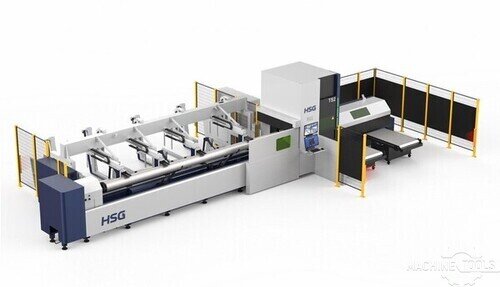
HSG TS2 HIGH SPEED TUBE FIBER LASER CUTTING MACHINE
Getting Parts and Service Support With Nicole Salato at nicole@mac-tech.com
When a chiller issue starts showing early symptoms, speed matters, but accuracy matters more because the wrong sensor range, seal material, or filter spec can create repeat trips. I help customers identify the right OEM parts by confirming machine model and serial, checking alarm history, and reviewing photos of the current installation so we match the correct category of components for the loop and controls. You can source many common service items through our online store at https://shop.mac-tech.com/ and I can coordinate expedited options when uptime is at risk.
If troubleshooting indicates broader cooling system health issues, I coordinate service scheduling and align parts staging so the technician is not waiting on components mid-repair. For teams also tracking wider maintenance patterns across equipment, Vayjo can support organizing maintenance records and tasks alongside production needs at https://vayjo.com/. The goal is planned maintenance with predictable timing, fewer emergency calls, and cooling performance that stays stable as jobs and seasons change.
FAQ
How often should we service laser chillers, brakes, saws, and rolls?
Most shops do daily visual checks, weekly cleaning and filter inspections, and quarterly deeper inspections, with annual or semi-annual servicing depending on run time and environment.
What is the best way to spot chiller wear before downtime?
Watch for trend changes like increasing temperature delta, more frequent cycling, and small coolant top-offs that point to leaks or air ingestion.
What information should I send to get the right part identified fast?
Send machine model and serial, chiller model information, photos of the label and the installed area, and any alarm codes with timestamps.
OEM vs non-OEM parts for chillers, what is the real risk?
Non-OEM sensors and seals can be close but not correct in tolerance or material, which can cause nuisance trips or premature leaks under heat and chemical exposure.
What spare parts should we keep on hand to protect uptime?
Common spares include filters, seals and clamps, a compatible sensor set, and coolant supplies sized to your system, based on your duty cycle and past failure patterns.
What post-repair checks prevent repeat chiller faults?
Verify stable flow, confirm supply and return temperatures under a repeatable load, purge air, check for leaks after warm-up, and log a new baseline snapshot.
Contact me for preventive maintenance scheduling, service coordination, or OEM parts support at nicole@mac-tech.com and https://shop.mac-tech.com/.
Get Weekly Mac-Tech News & Updates
