
Bend angle drift over a shift is one of the fastest ways a press brake turns from a profit center into a rework loop, and I’ve watched it happen in real Midwest job shops running everything from mild steel brackets to HSLA parts with tight cosmetic requirements. The killer bottleneck is rework, because every “just tweak it” adjustment adds touchpoints, steals capacity, and quietly breaks your quoting assumptions. When a bend is good at 7:00 a.m. and off by lunch, you need a repeatable way to separate material behavior from process variation before you start chasing the wrong variable.
Symptoms and Patterns of Bend Angle Drift Across the Shift
Angle drift usually shows up as a slow creep in one direction, or a part-to-part scatter that gets worse as the day goes on, even though the program never changed. In shop terms, you see operators adding correction factors, shimming, or “nudging” depth until the last few parts finally pass, then the next job starts and the problem resets.
What to document first:
- First-off angle, mid-shift angle, last-off angle for the same program and tooling
- Which stations drift (single bend vs multi-bend, near ends vs center of bed)
- Whether drift correlates to sheet/coil lot, thickness, grain direction, or a specific pallet
- Ambient and machine warm-up time, plus hydraulic oil temp if available
This simple log often cuts troubleshooting time by 1–2 hours per recurring job because you stop relying on memory and start isolating patterns you can act on.
Separate Material Variation From Process Variation Fast
Material variation is real: yield strength spread, coating, thickness tolerance, and grain direction can swing springback enough to look like a machine problem. The fastest shop-floor test is to run a short controlled sample set: same program, same tooling, same hit, but from two different sheets or lots, then compare angle scatter before you touch crowning or offsets.
If angles shift with lot changes, treat it like a materials control problem: segregate lots for critical jobs, verify thickness at multiple points, and standardize grain direction callouts on travelers. If angles drift within the same lot over time, it is almost always process variation: crowning, tooling seating, backgauge repeatability, or operator technique, and you can fix it without waiting on a new material cert.
Root Cause Checklist Crowning Tooling Backgauge and Operator Technique
Crowning and bed deflection issues usually present as “good in the middle, open on the ends” or the inverse depending on compensation settings and tonnage location. Tooling problems show up as inconsistent angles even when depth is stable, often caused by wear, wrong punch radius, poor clamping, or debris preventing full seating.
Common failure points:
- Crowning not matched to tonnage location, or compensation left from the previous job
- Worn punches/dies, mixed tool heights, or tool not fully seated due to scale and slugs
- Backgauge finger deflection, loose mounting, or axis backlash causing flange length drift that changes bend angle in multi-bend parts
- Operator variance: inconsistent part pressure to the backgauge, “air bending by feel,” or rotating parts against the grain without realizing it
In our installs and training at Mac-Tech, the fastest wins come when the team standardizes a “no adjustments until checks are run” rule and uses a consistent measurement method so corrections are based on data, not instinct.
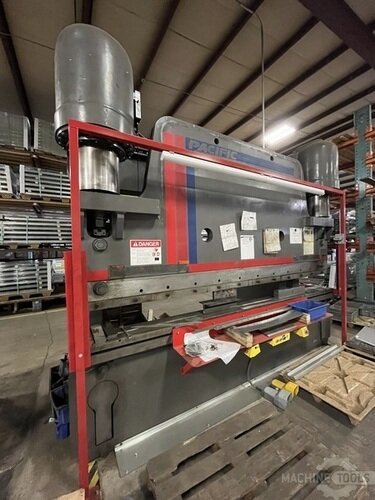
PACIFIC K500-12
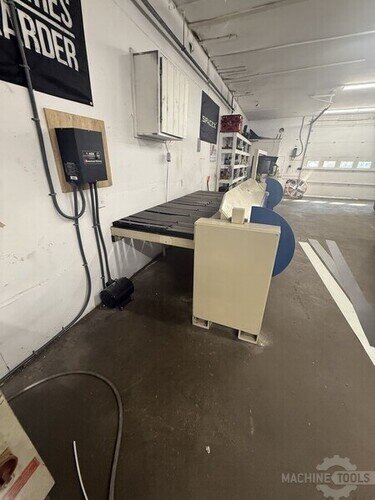
ROPER WHITNEY 1016
Corrective Actions Standardize Setup Monitoring and In Shift Adjustments
Start by standardizing setup so every shift begins from the same baseline: clean and seat tooling, verify tool IDs, confirm crowning position, and run a first-article checklist that includes measured angle and flange length. Then define what is allowed in-shift: small angle offsets are fine, but only after checking tool seating, crowning, and gauge repeatability, otherwise you mask the real cause and drift returns on the next run.
On controls and workflow, reduce “tribal knowledge” by tying programs to verified tooling libraries and setup sheets, and by recording correction history so you can spot when a job is becoming unstable. If you’re looking for practical tooling and press brake accessories to support standardization, the online parts and tooling channel at https://shop.mac-tech.com/ helps shops keep the right consumables and components on hand so drift does not become downtime.
Next Steps for Modern Fabricators as H2 headings (##)
Treat bend angle stability like a process capability project, not an operator talent test. Pick one problem job, run the quick separation test (material vs process), then lock in a repeatable setup routine and a measurement standard so every operator can hit the same results with fewer touchpoints.
If you want to shorten the learning curve, add digital setup documentation and a simple correction log that follows the job, not the person. Where it makes sense, integrating quoting and job tracking around the real production data can also highlight which parts are consuming the most rework; platforms like https://vayjo.com/ can support that visibility when you are ready to connect the dots between estimating, scheduling, and floor performance.
FAQ
How fast is the ROI on fixing bend angle drift?
Most shops see payback in weeks by cutting rework hours and scrap, especially on repeat jobs with tight tolerances.
How long does it take to train operators on a standardized drift checklist?
You can train the checklist in 1–2 hours, then reinforce it over the next few shifts with first-article signoff and measurement consistency.
Is this better solved by retrofitting or buying a new press brake?
If the issue is tooling condition, crowning setup, or backgauge wear, retrofit and standardization often solve it; structural wear or control limitations may justify a new machine.
Will standardized setup sheets work across different brake brands and controls?
Yes, because the fundamentals are universal: tooling seating, crowning alignment, gauge verification, and documented offsets.
What is the uptime risk while making these changes?
Low, if you implement in one cell first and keep changes procedural before doing mechanical upgrades or control integrations.
What ongoing maintenance best prevents drift?
Regular tool inspection, cleaning/clamping checks, periodic backgauge axis verification, and crowning calibration keep variation from creeping back in.
If you want a practical drift checklist tailored to your brake, tooling, and mix, email me at aquoss@mac-tech.com or reach out here: https://shop.mac-tech.com/contact/
Get Weekly Mac-Tech News & Updates
