Mike Ryan
Mike ryan
CEO
Our CEO Michael Ryan began his machinery career in 1981 and has since devoted his business life to Mac-Tech’s customers and, employees while personally passionate in his devotion to his wife, Julie, of 43 years and his 9 adored grandchildren.
- Zamboni Driver 1979 to 1981
- Elmhurst University class of 1981-Economics
- Ryerson Steel 1981 to 1983
- Swanson machinery 1983 to 1984
- Co-founder Mac-Tech since 1984
Evaluating Used Coil-Fed Roll Forming Lines for Roofing and Architectural Sheet Metal in Charlotte, North Carolina
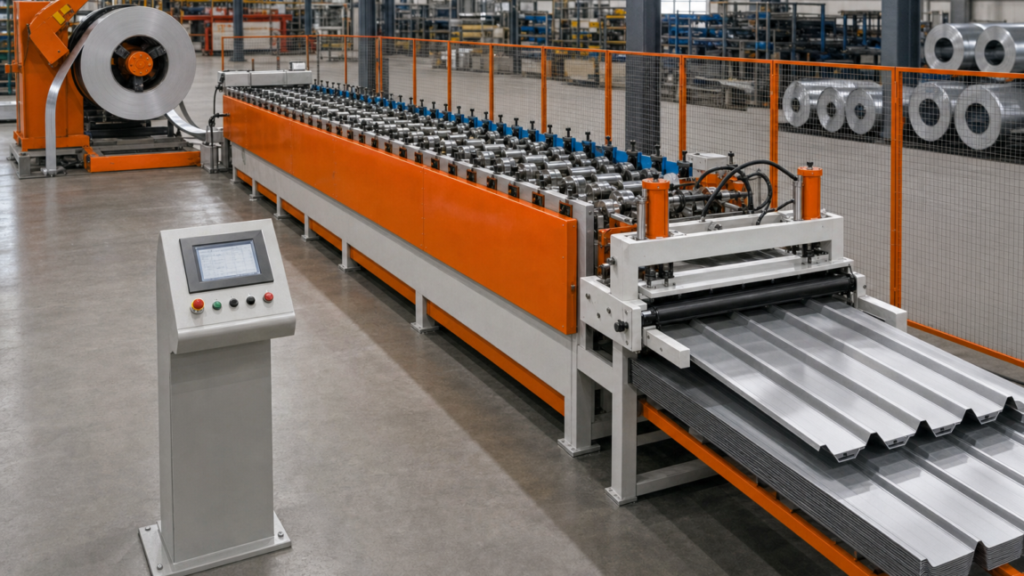
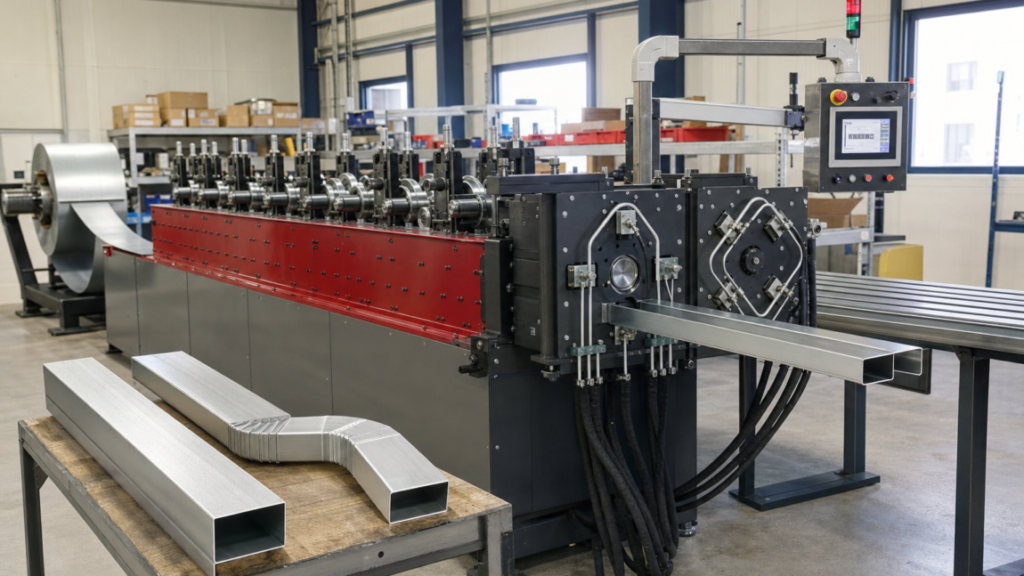
A practical framework for Charlotte-area managers evaluating used coil-fed roll forming lines, focused on inspection, safety, workflow fit, staged upgrades, and ROI planning.Stefa Coil-Fed Roll Forming Lines: What U.S. Roofing and Architectural Sheet Metal Teams Should Evaluate Before Their Next Upgrade
A buyer-focused guide to evaluating Stefa coil-fed roll forming lines for roofing, architectural sheet metal, and HVAC production workflows.Hydmech Automatic Band Saws for Indiana Structural Steel Fabricators: Throughput, CNC Integration, and ROI Planning
How Indiana structural steel fabricators can use Hydmech automatic band saws to cut bottlenecks, stabilize labor, and improve CNC-driven flow.HSG Fiber Laser Preventive Maintenance: Warning Signs, OEM Parts Strategy, and Uptime Planning for U.S. Shops
A practical guide to HSG Fiber Laser Preventive Maintenance for U.S. fabrication shops, covering warning signs, OEM parts coordination, warranty-aware service planning, and downtime reduction.Evaluating Akyapak structural steel drilling lines: What fabricators should consider before automating beam processing
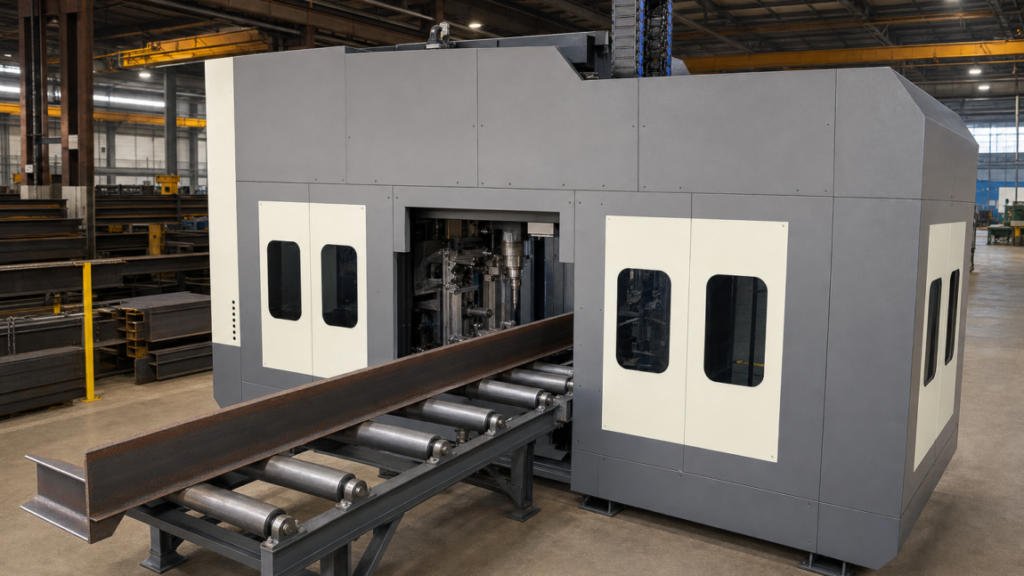
A buyer-focused look at Akyapak structural steel drilling lines, covering automation levels, software fit, downstream flow, layout, and service planning.Upgrading Manual Beam Coping to Prodevco Automation in Wisconsin’s Structural Steel Market
A practical guide for Wisconsin structural steel production managers evaluating Prodevco beam coping and robotic 4-face processing to replace manual coping, drilling, and plasma workflows.Automated Beam Processing for Port of Los Angeles Infrastructure: A Strategic Upgrade for Structural Steel Fabricators
For fabricators serving the Los Angeles–Long Beach port complex, automated beam processing can reduce schedule risk, improve fit-up, and lift throughput.RYTECH Fiber Laser Systems: Throughput, CNC Integration, and ROI Planning for Fabricators
A workflow-first evaluation of RYTECH Fiber Laser Systems. Learn what to verify around throughput, CNC integration, automation, dust collection, training, and lifecycle ROI before specifying a system.Upgrading Structural Steel Bending in the Milwaukee Metro: What to Evaluate in an Ermaksan High-Tonnage Press Brake
A practical evaluation guide for Milwaukee-area structural steel fabricators considering an Ermaksan high-tonnage press brake upgrade, focused on deflection control, CNC crowning, Y1/Y2 control, tandem setups, and workflow integration.Evaluating Erbend Panel Benders for Texas Roofing and Architectural Sheet Metal Shops
Texas construction activity continues to drive demand for architectural sheet metal and roofing fabrication. This analysis examines how Erbend panel benders fit Texas shop workflows and how to evaluate ROI.ACT Dust Collectors for Metal Fabrication: How to Evaluate Compliance, Throughput, and ROI Before You Buy
ACT Dust Collectors for Metal Fabrication should be evaluated as a capital investment tied to OSHA combustible dust exposure, laser and plasma throughput, automation density, and lifecycle cost. Here is a structured framework for owners and plant leaders to make the decision with confidence.Why Quad Cities Heavy Equipment Suppliers Are Evaluating TRUMPF Fiber Lasers for High-Mix, High-Strength Plate Work
Heavy equipment manufacturing in the Quad Cities is driving demand for precise, high-throughput cutting of thick mild steel and HSLA plate. This analysis reviews how TRUMPF fiber lasers, including the TruLaser 3000 Series and related automation systems, fit Deere-centered supply chains and what fabrication managers should evaluate next.