Segmented vs. Full-Length Press Brake Tooling
Compare segmented and continuous press-brake tooling for changing bend lengths and flange clearance, and learn why staged bending requires more than short tool sections.

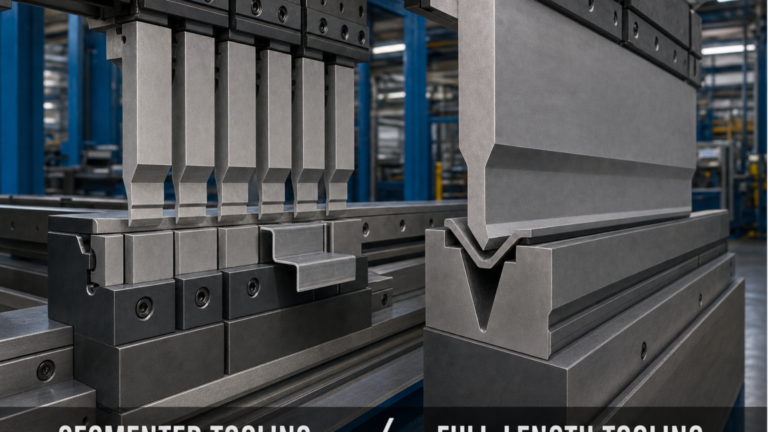
Compare segmented and continuous press-brake tooling for changing bend lengths and flange clearance, and learn why staged bending requires more than short tool sections.
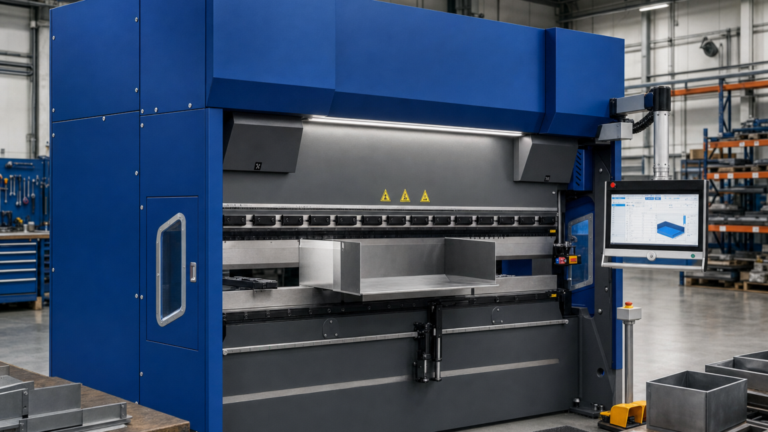
A used CNC hydraulic press brake can suit deep boxes when clearance, tooling and condition support the complete bend sequence. Learn when a targeted retrofit makes sense and when to request a new FORCE ONE quote.
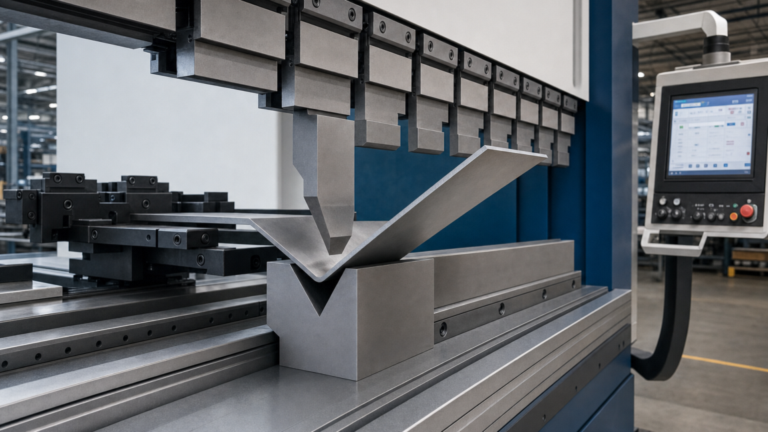
The Power-Bend Falcon is a configurable synchronized hydraulic CNC press brake for single- and multi-bend work. Match the proposed machine’s capacity, gauging, controls, crowning, and tooling to representative parts.
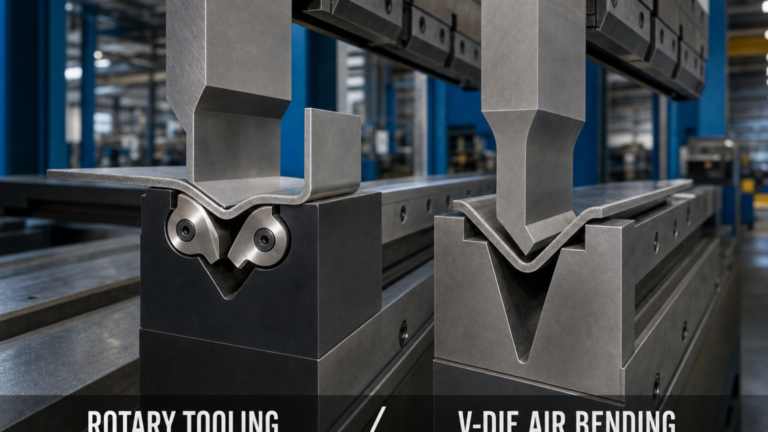
Rotary press-brake tooling is worth evaluating when V-die contact marks a finish-sensitive part or panel movement complicates a straight flange bend. The proposed rotary style, part geometry, brake fit, and trial results determine whether it solves the problem.
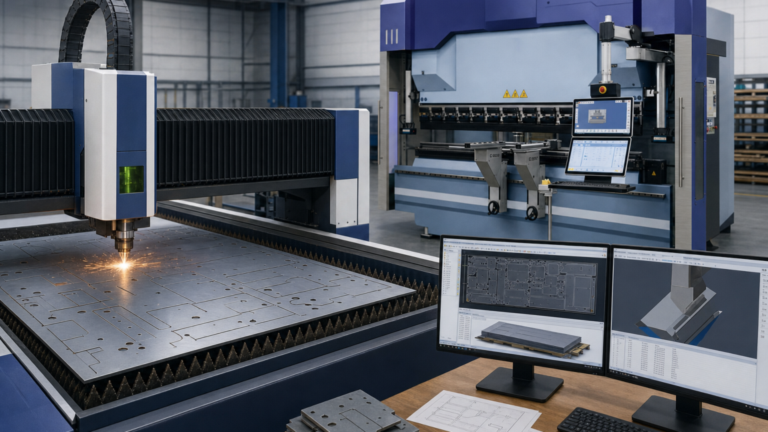
Consider brake setup compatibility when it can group parts with a feasible shared tooling layout, but compare the result against material use, actual changeover time, and order priorities before changing the nest or schedule.
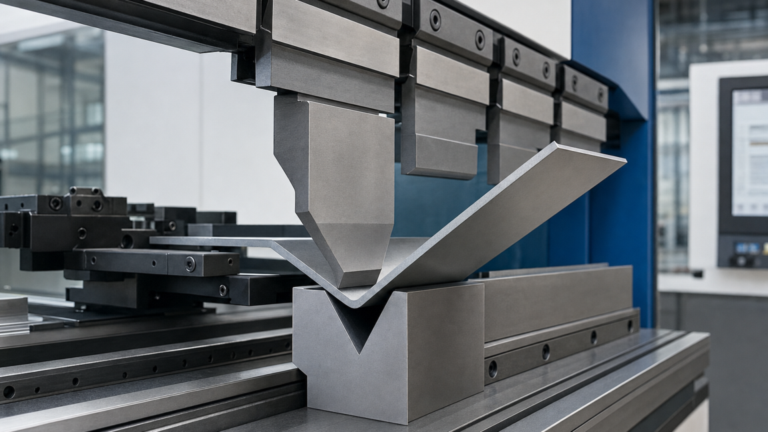
The TRUMPF–Mate deal broadens supplier coverage, not tooling interchangeability. Existing holders, punch clearance and die selection still determine fit.
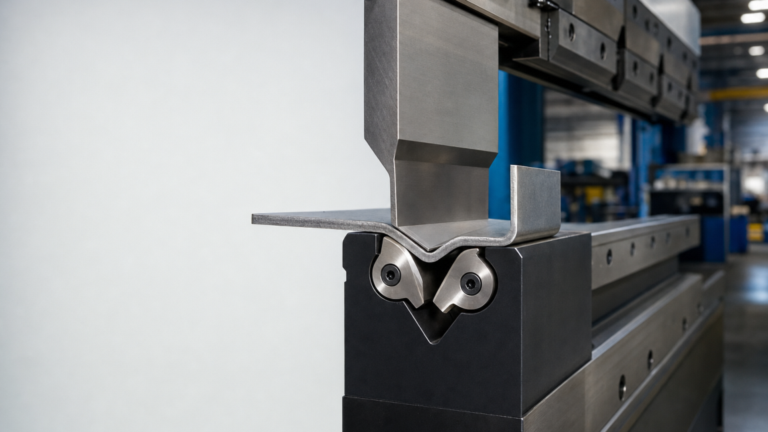
Wilson Tool V-Series Black rotating-insert dies are worth evaluating when conventional tooling cannot support a short flange. Compare the alternatives through flange geometry, surface quality, punch clearance, bend length, load and CNC setup.
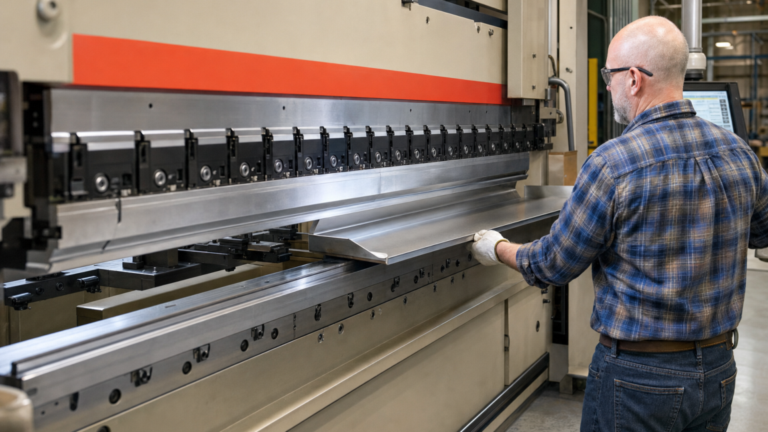
Wilson Tool’s August 28, 2026 FABTECH announcement gives fabricators a timely way to separate three bending decisions: clamping for tool-change delays, crowning for deflection-related variation, and custom tooling for difficult geometry. The existing brake still has to meet the part’s force, envelope, and control requirements.
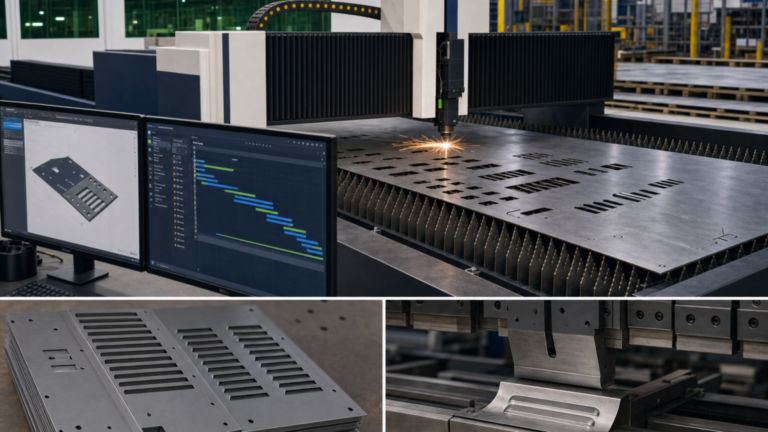
A CNC press brake with special forming tooling can produce selected louvers, embosses, clips, countersinks, and extruded holes in laser-cut blanks. The practical boundary depends on feature geometry, blank preparation, tooling, machine access, changeover, and production volume.
End of content
End of content