Robotic Welding Training for Operators and Technicians
Role-specific training helps fabricators define who can run an AGT BLOK welding cell, make technical changes, handle safety procedures, and own weld-quality decisions.

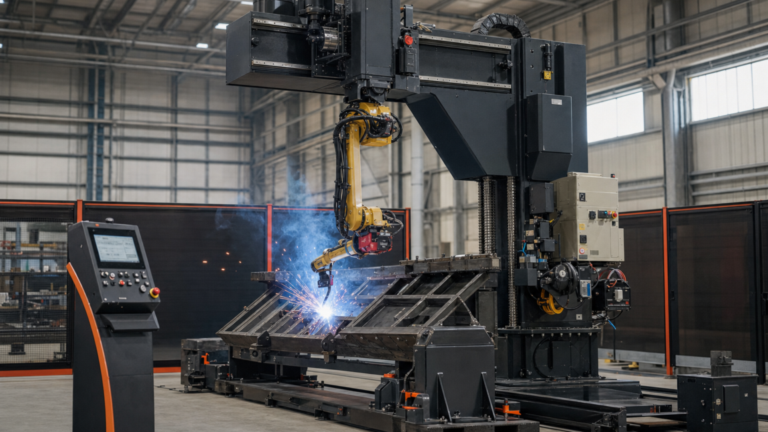
Role-specific training helps fabricators define who can run an AGT BLOK welding cell, make technical changes, handle safety procedures, and own weld-quality decisions.
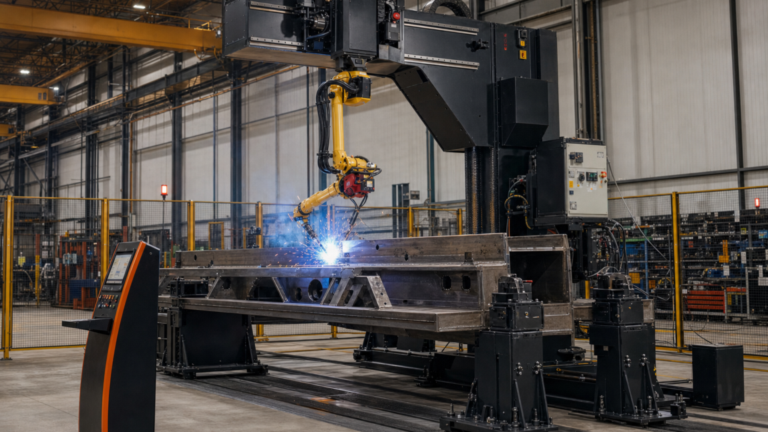
Adaptive-welding launches sharpen the sensing comparison, but large-assembly cell selection still depends on reach, workpiece variation, weld access, and the options included in the proposed AGT BLOK configuration.
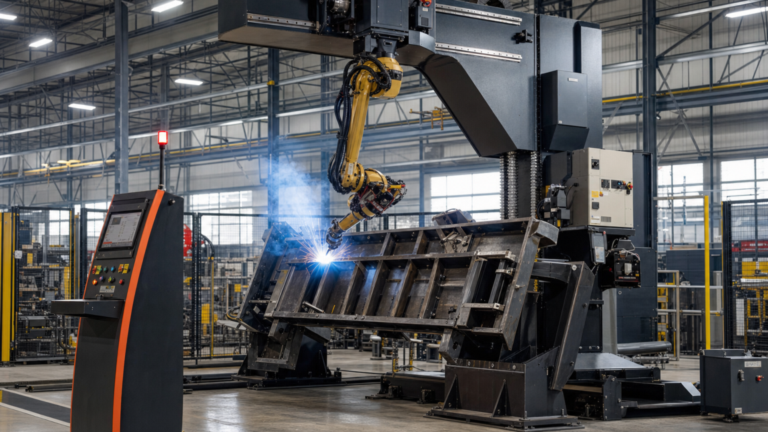
Amazon’s planned Greenwood facility combines robotic welding with fabrication, powder coating, and assembly. Its facility-wide investment is not a welding-cell price or ROI benchmark.
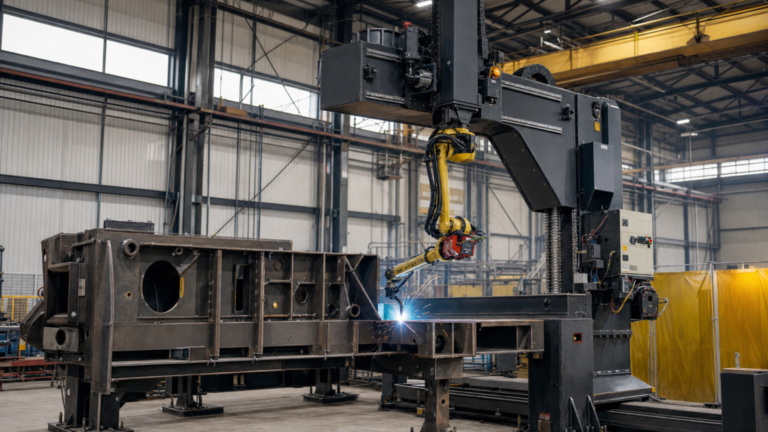
There is no universal fit-up tolerance for robotic welding. Separate incoming-member dimensions from joint location and gap, then decide whether upstream control, fixturing, or validated sensing best fits the application.
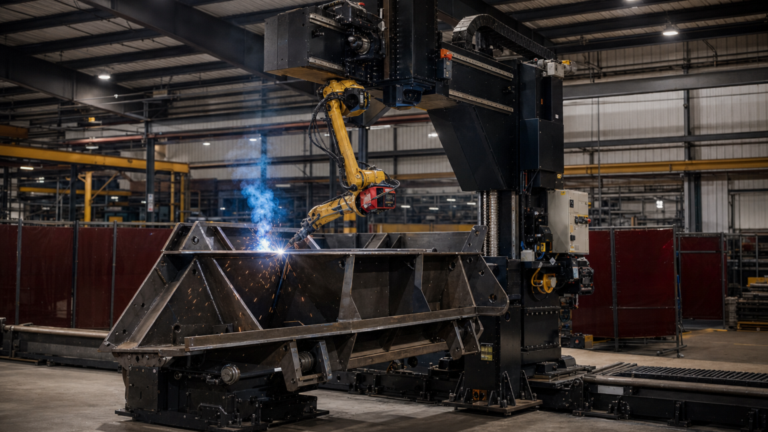
AGT BLOK is worth evaluating when recurring large-weldment families can support productive cell use and the parts can be presented and reached repeatably. Assess workload timing, fit-up, configuration, programming inputs, handling, and full project scope before treating robotic welding as a capacity investment.
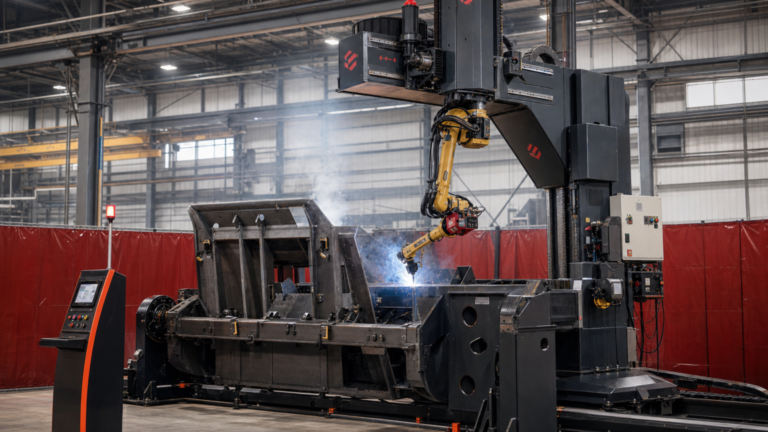
Choose a BLOK programming path by testing representative weldments against the shop’s CAD and weld information, staffing, and program-proofing needs.
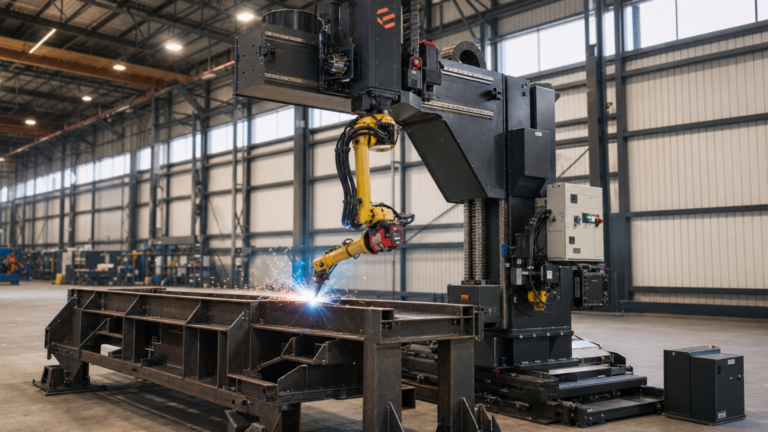
AGT BLOK may add capacity for recurring large weldments when the parts, fit-up, workflow, and cell configuration can support a steady production schedule.
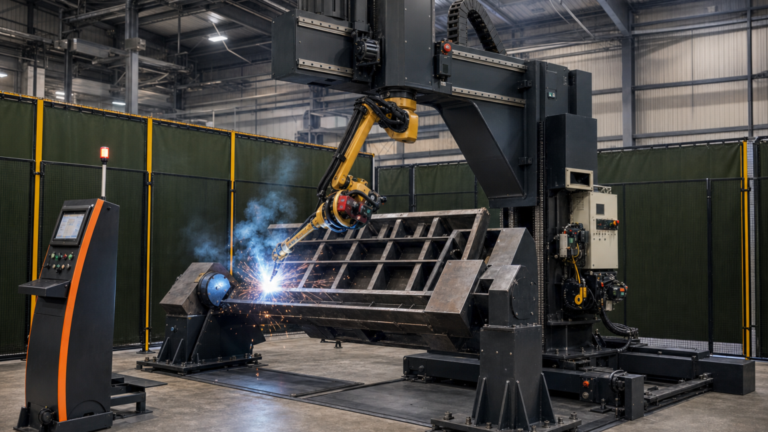
Choose between BLOK 400 and BLOK 500 by testing required weld access, workpiece presentation, rotation, and positioner fit—not part size alone.
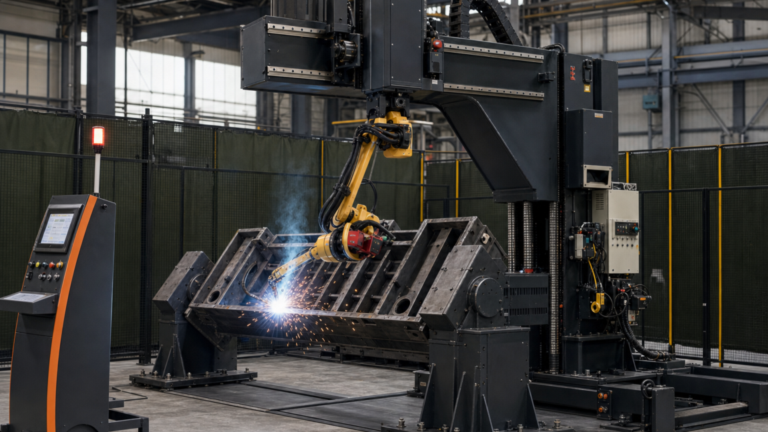
A September 2026 operating report illustrates when adaptive controls merit evaluation—and when AGT BLOK’s travel, positioning and programming architecture addresses a different limitation.
End of content
End of content