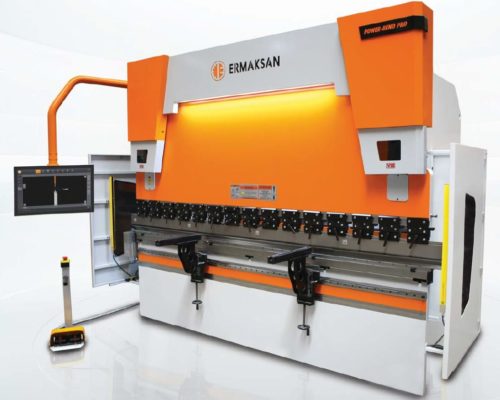
On coil-fed forming lines, I keep seeing the same pattern: the press brake is capable of running fast, but the cell still stalls because the operators are fighting changeovers, alignment checks, and clamp plate handling between jobs. In real shops, bottlenecks show up as queued coil, rushed setups, extra first-part scrap, and unsafe reaches into the clamping zone when the schedule is tight. When a clamp plate removal requires tools, lifting effort, and multiple touch points, it turns a routine change into a downtime event that ripples through folding, roll forming, and panel production.
Diagnosing Clamp Plate Changeover Losses on Press Brakes in Coil-Fed Cells
In a coil-fed cell, clamp plate changeovers are not just minutes on a stopwatch. They interrupt material flow, force the coil to sit idle, and often trigger a cascade of rechecks on backgauges, crowning, and bend angle once the press brake is back up. I also see “phantom downtime” where the brake is technically running, but operators are creeping through the first parts because the clamp plate removal and reinstall changed the starting condition.
The most expensive losses usually hide in the combination of handling time and verification time. If an operator needs tools, a second person, or repeated loosen and tighten cycles, you multiply the chances of misalignment and inconsistent clamping force across the bed. That is how you end up with a stable program that still produces variable bends and extra scrap at the beginning of each run.
What I look for on the floor:
- Clamp plate removal requiring wrenches, pry points, or two-person handling
- Setup checklists that include repeated angle corrections on the first 3 to 10 parts
- Coil pauses while the brake is down, then a rush to catch up that increases risk
How Tool-Free Clamp Plate Removal Improves Safety, Alignment Accuracy, and First-Part Quality
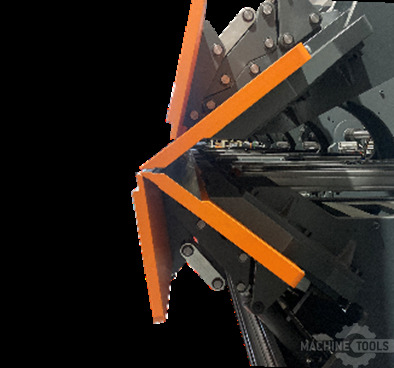
Tool-free clamp plate removal changes the job from a mechanical struggle to a controlled, repeatable procedure. When the clamp plate can be released and re-secured without tools, you reduce both the physical risk and the variability in how the system is tightened. The practical impact is that the operator spends less time leaning into pinch zones and more time confirming the correct tool stack and program.
From a quality standpoint, consistent clamping force and predictable seating help stabilize alignment and reduce the number of “sacrificial” first parts. In coil-fed environments, that matters because the material is continuous, and the cost of a bad start is not just scrap. It can also mean wasted coil, rework downstream, or a full stop to re-square and restart the feed.
ROI drivers I see immediately:
- Fewer first-part corrections and less startup scrap
- Shorter, more predictable changeovers that stabilize scheduling
- Reduced risk from tool handling and manual force near the clamping zone
Integration with Folding, Slitting, Shearing, and Rolling to Maintain Continuous Material Flow
The press brake does not live alone in coil-fed production. If you are slitting upstream, feeding into a shear, or routing parts to a folder or roll former, every unplanned stop at the brake creates a gap that downstream teams feel. That is why tool-free clamp plate removal matters beyond the brake itself, because it helps keep coil systems moving and prevents stop-start material flow.
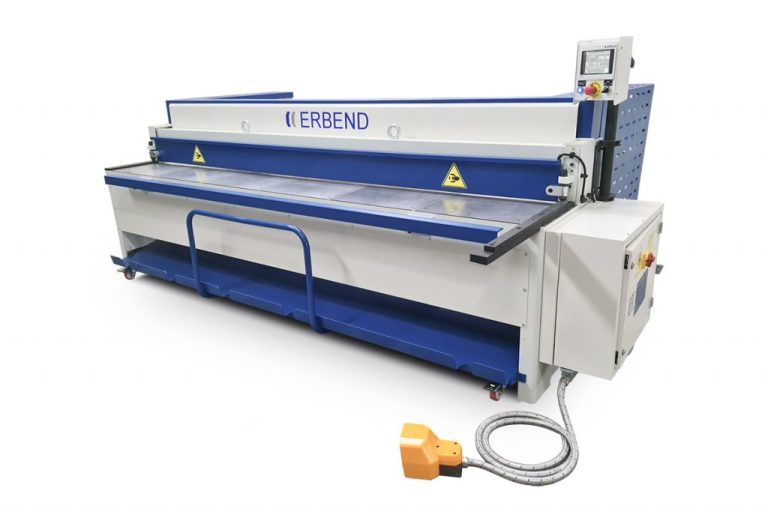
In many lines, I see press brake work paired with folding or panel bending to handle different geometries efficiently. A Stefa roll former, an Erbend folder, or a panel bender can run consistently, but only if upstream changeovers do not inject variability and panic into the schedule. Pairing faster press brake changeovers with reliable shearing like Mac Shear, or with rolling capacity from Akyapak, keeps the cell balanced so labor is not constantly redeployed to firefighting.
If you are also managing doors, panels, or long profiles, controlling changeover time is what preserves throughput. Faster clamp plate transitions reduce the odds that the coil has to be broken down, staged, and re-threaded simply because one station fell behind.

Automation and Controls Considerations for Faster Changeovers and Reduced Operator Variation
Tool-free does not have to mean fully automated, but it does mean more repeatable. The controls strategy should support the physical upgrade by standardizing what “ready to run” looks like, including consistent clamp engagement steps, job recall, and verification points. In high-mix shops, reducing operator variation is often worth as much as reducing the raw minutes of downtime.
Decision criteria I use with customers:
- Manual vs assisted: Determine whether tool-free manual release is enough or if you need powered assistance for frequency and ergonomics
- Hydraulic vs servo: Choose based on repeatability needs, maintenance preference, and how often you change profiles
- Staged upgrades vs full integration: Start at the bottleneck, then connect upstream and downstream for continuous flow
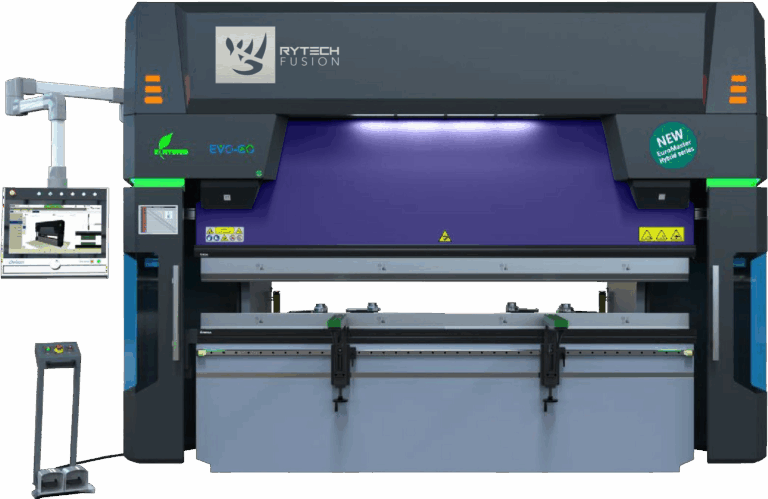
Where it fits, I like to align clamp improvements with job management and material handling so the operator is not improvising. That can include coil system coordination, consistent feed-to-bend procedures, and clear maintenance intervals that prevent gradual drift in clamping performance. If you are evaluating broader cell upgrades, Rytech automation and modern controls can help tighten repeatability and reduce rework created by small setup differences.
Next Steps for Evaluating a Tool-Free Clamping Upgrade to Increase Throughput and ROI
The first step is to quantify how often clamp plate changes occur and what they really cost, including first-part scrap and schedule disruption. I typically ask customers to capture setup start and stop times, number of angle corrections, and any coil-related delays caused by press brake downtime. That data quickly shows whether your biggest win is fewer minutes per changeover, fewer restarts, or fewer quality escapes.
From there, we map the upgrade to your actual product mix and line layout. If you are pairing a press brake with a folder, roll former, or panel bender, I want to ensure the changeover strategy supports the whole cell, not just one machine. You can review tooling and upgrade options through Mac-Tech resources, including https://shop.mac-tech.com/ for components and system direction that fit your operation.
If you are also tracking jobs across the plant, connecting the changeover improvement to your scheduling and quoting makes the ROI more durable. When the brake becomes predictable, you can reallocate labor, compress lead times, and reduce the hidden cost of overtime and expediting.
FAQ
When should I upgrade a coil-fed line versus just improving the press brake changeover?
If the brake is the bottleneck and changeovers are frequent, start with tool-free clamping and setup control. If coil threading, straightening, or staging is the constraint, address coil handling first.
How do servo and hydraulic forming approaches compare for repeatability and maintenance?
Servo systems typically deliver tighter repeatability and easier recipe control, while hydraulic can be robust and cost-effective depending on duty cycle. The best fit depends on mix, tolerance targets, and maintenance strategy.
What is the most effective setup reduction strategy for high-mix bending?
Standardize the physical changeover first, then standardize the verification steps. Tool-free clamp plate removal reduces variation so programs and first-part checks become more consistent.
What coil handling improvements reduce labor and improve safety fastest?
Better payoff control, guided threading, and consistent straightening reduce manual intervention. If you want a deeper look at production workflow tools, https://vayjo.com/ can support process visibility when it aligns with your operation.
When does a panel bender make more sense than a press brake for long panels?
If you run many long, thin panels with repeat angles and high mix, panel benders can reduce handling and increase consistency. Press brakes remain ideal for flexibility and heavier or more complex forming, especially with fast changeovers.
What information do you need from me to size a clamping or line upgrade correctly?
I need part profiles, material type and gauge range, coil width and ID/OD, target throughput, and current changeover frequency. Photos or a short video of the current clamp plate change process also helps a lot.
Contact me for a walkthrough, demo, or upgrade consultation at pat@mac-tech.com or 414-232-7929, and you can also start exploring options at https://shop.mac-tech.com/.
Get Weekly Mac-Tech News & Updates

Similar Posts
Seamless Automation: Panel Benders in Coil-to-Part Lines
In the article Seamless Automation: Panel Benders in Coil-to-Part Lines, Pat O’Neill, a National Product Manager and Regional Sales Executive at Mac-Tech, discusses how manufacturers can enhance production efficiency, forming accuracy, and line reliability. Pat emphasizes the importance of selecting the right machines and integrating automation into manufacturing processes. He advocates for real-world planning to ensure seamless operations and optimal performance. By focusing on these strategies, Pat assists manufacturers in achieving more productive and reliable production lines. Pat O’Neill National Product Manager / Regional Sales Executive, Mac-Tech pat@mac-tech.com | 414-232-7929
Unlock Precision and Speed with CNC Folder Upgrade
Pat O’Neill, a National Product Manager and Regional Sales Executive at Mac-Tech, discusses enhancing production efficiency through CNC folder upgrades. He emphasizes the importance of precision and speed in manufacturing and explains how advanced roll forming, folding, and coil-fed fabrication systems can significantly improve these aspects. Pat assists customers in optimizing their production processes by implementing these technologies, leading to increased output and reduced costs. For further inquiries or assistance, Pat can be contacted at pat@mac-tech.com or 414-232-7929.
Stefa Gutter Roll Forming Cuts Scrap, Improves Throughput
The article explains how Stefa gutter roll forming boosts productivity by making smarter roll-forming and coil-fed system choices. By optimizing forming stations, tooling, and material handling, the line maintains tighter profiles and more consistent cut lengths, reducing rework and scrap. Integrated coil feeding, controls, and cutoff coordination improve speed without sacrificing accuracy, while better guidance, tensioning, and changeover practices increase uptime. The result is higher throughput, improved forming reliability, and steadier output quality. Pat O’Neill National Product Manager / Regional Sales Executive, Mac-Tech pat@mac-tech.com | 414-232-7929
Choosing Hybrid Over Electric Drives in Rytech Systems: Cost and Precision Benefits
The article by Patrick O’Neill discusses the advantages of choosing hybrid drives over electric ones for Rytech Systems, focusing on cost-effectiveness and precision. Pat emphasizes how manufacturers can enhance production efficiency, forming accuracy, and line reliability by selecting the right machinery, incorporating automation, and engaging in practical planning. He provides insights on optimizing manufacturing processes to achieve better outcomes. Pat O’Neill National Product Manager / Regional Sales Executive, Mac-Tech pat@mac-tech.com | 414-232-7929
CNC Panel Benders: Cut Setup Time with Software Presets
In the article, CNC Panel Benders: Cut Setup Time with Software Presets, Patrick (Pat) O’Neill discusses strategies to enhance manufacturing efficiency, accuracy, and reliability. He emphasizes the importance of selecting the right machines, implementing automation, and engaging in practical planning. By using software presets, manufacturers can significantly reduce setup times, leading to improved production processes. Pat offers insights into optimizing operations through advanced technology and thoughtful decision-making. Pat O’Neill National Product Manager / Regional Sales Executive, Mac-Tech pat@mac-tech.com | 414-232-7929
Efficient Shearing Lines: Elevate Productivity with Smart Material Handling
In the article “Efficient Shearing Lines: Elevate Productivity with Smart Material Handling,” Pat O’Neill discusses strategies to enhance manufacturing productivity. He emphasizes the importance of selecting the right machines, integrating automation, and employing practical planning to improve production efficiency, forming accuracy, and line reliability. By focusing on these areas, manufacturers can significantly boost their operational performance. Pat O’Neill National Product Manager / Regional Sales Executive, Mac-Tech pat@mac-tech.com | 414-232-7929