
I’m Adam Quoss, VP of Sales at Mac-Tech (aquoss@mac-tech.com), and I’ve watched too many Midwest fabrication teams lose weeks and dollars because a press brake was sized on assumptions instead of inputs. The pain usually shows up first in programming and setup: operators fight inconsistent bend results, then parts bounce between quoting, engineering, and the floor to “make it work.” When tonnage and bed length are right the first time, you reduce rework loops, shorten changeovers, and stabilize output across shifts.
Costly Underbuying and Overbuying Caused by Tonnage and Bed Length Guesswork
Underbuying shows up as stalled jobs, tool restrictions, and “creative” setups that spike scrap when the brake can’t safely hit required bends across the full length. Overbuying looks safer, but it often adds unnecessary capital cost, larger footprint, and higher operating costs, while still failing if the wrong tooling strategy forces excessive tonnage per foot. In both cases, the bottleneck becomes setup and rework, not cutting or welding.
Common failure points:
- Rating confusion between total tonnage vs tons/ft (or tons/m) at full bed length
- Ignoring derating when bending near uprights or when using sectional tooling layouts
- Spec’ing bed length for “max part length” without accounting for return flanges and handling clearance
- Quoting off material thickness only, without radius and V-opening assumptions
The practical fix is standardizing a sizing worksheet tied to your quoting and programming workflow: one set of inputs, one calculation method, and one sign-off before purchase. Shops that implement this consistently cut “surprise can’t-bend” events to near zero and reduce first-article rework by measurable hours per job.
The Minimum Inputs That Actually Drive Sizing Material Bend Length Tooling Style Radius Goals
To size a press brake correctly, you only need a short list of inputs, but they must be specific and repeatable across quoting, engineering, and the floor. I ask for material type (including yield behavior), thickness, inside radius target, bend length, and tooling style because those variables determine both tonnage demand and whether the bed length is truly usable. If one of these is guessed, you either buy too small and lose capacity, or buy too large and pay for iron you don’t use.
Minimum inputs I require to eliminate guesswork:
- Material: alloy and temper (e.g., mild steel vs 50 ksi vs 304 SS vs aluminum), thickness, and grain direction concerns
- Bend length: true formed length per station, plus whether you’re staging multiple parts across the bed
- Tooling style: air bending vs bottoming/coining, sectional vs full-length, gooseneck/clearance needs
- Radius goals: inside radius requirement (print or functional), acceptable range, and cosmetic constraints
Once these are captured in a consistent form, you can translate jobs into a stable “tons/ft and usable bed” requirement and reduce quoting-to-floor touchpoints. That usually improves repeatability and shortens onboarding because new programmers aren’t reverse-engineering tribal knowledge.
Converting Your Inputs Into Required Tonnage and Safe Bed Length Capacity
In real shops, the miss happens when people calculate tonnage for one bend, then assume the brake can do it over the full bed without considering distribution, loading limits, and safety factors. The fix is converting every key job into tons/ft (or tons/m) at the actual bend length, then checking that against the machine’s rated capacity curve and any derating rules. You also validate bed length capacity by accounting for part handling, return flange clearance, and whether the bend is centered or offset from the uprights.
A simple control step that works: build a “top 20 parts” list, calculate worst-case tons/ft and maximum required working length, and size the brake to cover that set with margin for future work. When we support customers at Mac-Tech during installs and training, this is the same data we align between quoting, offline programming, and the operator interface so the shop stops discovering limits during production. If you want a fast way to standardize tooling and setup inputs with your quoting process, our online tooling categories and specs can help you frame the discussion before you buy: https://shop.mac-tech.com/
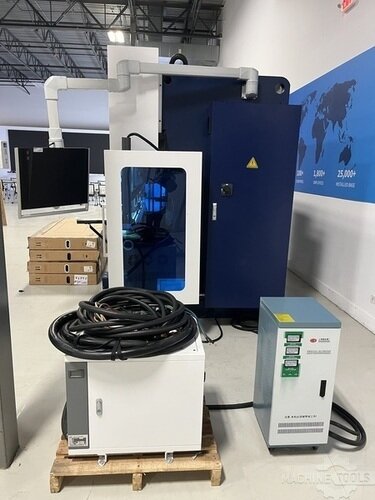
HSG HC1703
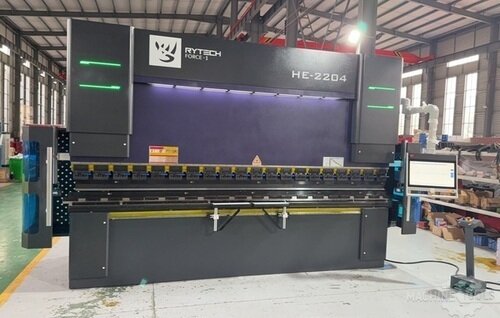
RYTECH FORCE-1 HE 2204
Selecting Tooling and V Die Setup to Hit Radius Goals Without Exceeding Limits
Radius goals are where tonnage mistakes multiply: choose a V opening that’s too tight, and tons/ft can jump enough to exceed machine limits or cause deflection and angle variation across the bed. Choose a V opening that’s too large, and you may miss inside radius requirements or struggle with springback consistency, creating extra hits and inspection failures. The practical fix is selecting V dies and punch radii as a system: align your air-bend radius outcome with the V opening, then validate tonnage and deflection across the bend length.
Tooling decisions that protect capacity and quality:
- Standardize a small die set that covers your thickness range without forcing tight V’s on thicker material
- Verify punch radius and die opening produce the required inside radius in air bending (or commit to bottoming only when needed)
- Use sectional tooling plans that match part mix, minimizing resets and reducing changeovers by 15–30 minutes per setup
- Confirm maximum allowable load per foot for the chosen tooling to avoid premature wear and angle drift
When tooling is standardized and documented, shops typically see fewer “operator-dependent” outcomes and a measurable reduction in angle correction hits. If you’re using software-assisted quoting or bend simulation, tying the tooling library to actual shop tooling can remove a full round of tryout and rework; when it’s helpful for customers, we’ll integrate that library during commissioning so programming matches reality.
Next Steps for Modern Fabricators to Validate Specs and Quote the Right Brake as H2 headings (##). Write 1–3 short paragraphs per section (2–4 sentences each).
The shop-floor problem is that “right brake” decisions often get made with partial data from one department, then everyone else inherits the risk. The fix is a short validation loop: take your top jobs, confirm the four inputs, run tons/ft and length checks, and have programming and the lead operator sign off before you lock specs. That process typically removes multiple back-and-forth handoffs and prevents the downtime risk of discovering capacity limits after delivery.
If you want to make this operational, create a one-page spec sheet that lives with the quote and follows the machine through install: rated tons/ft, max working length, tooling assumptions, and radius capability. For teams modernizing their front-end quoting and workflow, connecting job data to equipment decisions can reduce misquotes and speed up estimating; tools like Vayjo can support that kind of data flow when used intentionally: https://vayjo.com/
FAQ
What ROI should I expect from sizing tonnage and bed length correctly the first time?
Most shops see payback through fewer rework hours, fewer scrapped first articles, and faster changeovers that add up week over week.
How long does it take to train operators after a new brake is installed?
With standardized tooling and documented setups, most teams get to consistent production in days, not weeks, depending on part complexity and shift coverage.
Should I retrofit tooling and process first, or buy a new press brake now?
If your current brake can meet tons/ft and length needs, standardizing tooling and calculations may unlock capacity; if it cannot, no retrofit fixes missing tonnage or working length.
Will my existing tooling work on a new press brake?
Often yes if it matches the clamp style and load ratings, but you still need to confirm allowable tons/ft and segmented layout compatibility.
What’s the uptime risk during install and integration?
Risk drops sharply when you validate utilities, floor plan, and tooling libraries ahead of time, and when commissioning includes operator sign-off on the top jobs.
If you want to size tonnage and bed length without surprises, email me at aquoss@mac-tech.com and we’ll compare your top parts against real capacity limits: https://shop.mac-tech.com/contact/
Get Weekly Mac-Tech News & Updates
