
I spend most of my time walking Midwest fabrication floors where the job mix changes daily and the press brake is either the constraint or the release valve for the whole cell. The comparisons between hydraulic, hybrid, and electric sound simple on paper, but the reality shows up in changeovers, part-to-part variation, and whether operators trust the first hit. The bottleneck I see most often is changeovers that stack up because programming and setup steps are not standardized, so the brake becomes the handoff point that everyone waits on.
Why High Mix Midwest Shops Struggle to Compare Press Brake Technologies
High-mix shops struggle because they try to compare machines by peak tonnage or stated speed instead of by how the brake behaves across hundreds of short runs with different materials, radii, and tool stacks. The practical problem is that setup and correction time dominates cycle time, so a faster ram does not help if the first-article takes 20 minutes and three test bends. The fix is to evaluate by job families and measure time from cart to first good part, not just parts per hour. When we do this with customers at Mac-Tech, the biggest wins usually show up as 30 to 90 minutes saved per shift from fewer touches during setup and fewer “tweak and re-run” loops.
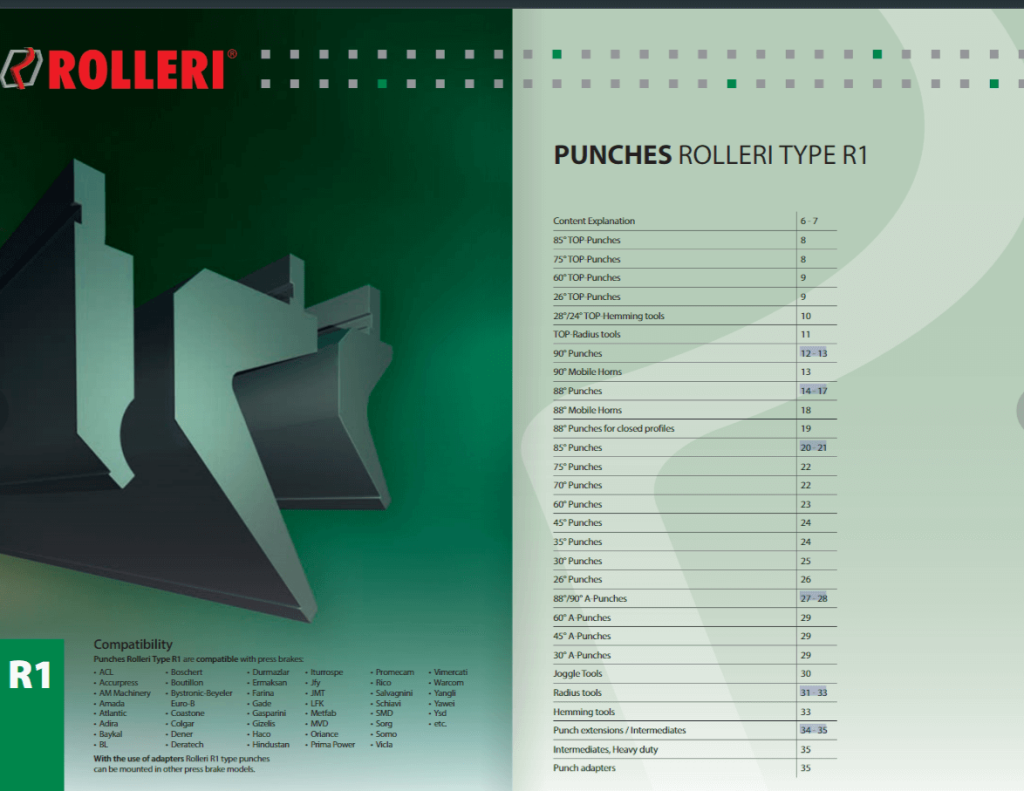
Rolleri Press Brake Tools Brochure
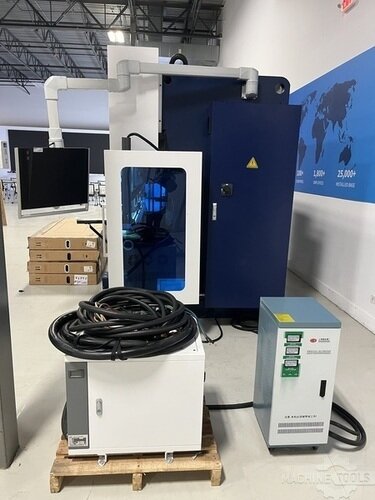
HSG HC1703
What Actually Changes on the Floor Cycle Time Energy Use Repeatability Maintenance
On the floor, cycle time changes less from raw ram speed and more from how consistently the machine hits angle without operator correction across different thicknesses and grain directions. Energy use becomes real when brakes idle all day between short runs, so the difference is not just kW during forming but also what it consumes while waiting. Repeatability is where high-mix either stabilizes or collapses, because inconsistent angle forces rework, extra inspection, and downstream fit-up headaches. The fix is to pair the right technology with a control workflow that reduces manual correction, then standardize tool libraries and bend sequences so new operators can get to a first-good part in minutes, not hours.
What I measure on real jobs:
- Time to first good part (cart to OK): target under 10 minutes on repeat jobs
- Angle correction loops per setup: target 0 to 1 corrections
- Idle energy draw over a shift: track kWh including standby
- Unplanned downtime hours per quarter tied to hydraulics, drives, or feedback systems
Hydraulic Press Brakes Where They Still Win and Where They Cost You
Hydraulic still wins when you need high tonnage, long beds, or you are forming thick plate where brute force and durability matter more than ultra-fast micro-cycles. The real-world cost shows up in heat, oil management, and the drift that operators compensate for with extra test bends, especially when the shop is cold in the morning and warm by afternoon. The practical fix is disciplined preventive maintenance plus process controls like consistent material staging, calibrated backgauges, and verified crowning routines so the brake does not become an “operator art project.” If you keep hydraulic, you can still cut scrap and rework by tightening your angle verification process and reducing variation that causes fit-up issues downstream.
Common hydraulic reality checks:
- Oil temperature stability drives angle consistency on short runs
- Seal wear and leaks create unpredictable downtime risk
- Higher standby energy in many configurations during idle periods
- More maintenance touchpoints per year compared to electric architectures
Hybrid vs Electric Press Brakes Practical Selection Rules by Job Mix and Tonnage
Hybrid tends to be the practical bridge when a shop wants better energy performance and repeatability than traditional hydraulic, but still needs tonnage ranges that electric may not cover efficiently. Electric is typically the best match for high-mix, thinner-gauge work where fast, repeatable positioning and low standby energy reduce the hidden costs of constant changeovers. The selection rule I use is simple: if your schedule is dominated by short runs and you live in 10 to 60 ton work, electric often pays back through fewer corrections and faster setups; if you routinely push higher tonnage or longer forms, hybrid can offer a stronger balance. The fix is to map your actual bend mix by tonnage, material, and flange lengths, then choose the technology that minimizes correction loops and maintenance interruptions, not the one with the most impressive spec sheet.
For shops building an upgrade list, I recommend grounding your tooling and control plan early, because the technology choice only delivers if the workflow is tight. Standardizing tooling and creating a repeatable programming to setup handoff can cut changeover time materially, and it also reduces onboarding time for new operators. If you are pricing or comparing configurations, you can start with current options and accessories here: https://shop.mac-tech.com/
Next Steps for Modern Fabricators Building a Data Driven Upgrade Plan as H2 headings (##)
Start with 60 days of lightweight data: capture time to first good part, number of angle corrections, and any delay codes tied to setup, programming, or maintenance. Then segment by job family and tonnage band so you can see where hydraulic friction is costing you and where hybrid or electric would actually remove touches. The practical fix is to run a controlled trial on 3 to 5 representative parts, documenting setup steps, tool changes, and correction loops so the comparison is grounded in your mix, not averages.
If you are integrating a new brake, plan the “day 1 workflow” as carefully as the machine spec: control setup, tool library structure, revision control, and who owns bend validation. In Mac-Tech installs, the best outcomes come when we align training with the shop’s actual part families and standardize the setup checklist, which typically reduces ramp-up from weeks to days and stabilizes repeatability. If you want to connect programming and part tracking more tightly, pairing the brake workflow with a connected quoting and scheduling layer like https://vayjo.com/ can help remove handoff delays between estimating, routing, and the floor.
FAQ
How do I calculate ROI for hydraulic vs hybrid vs electric in a high-mix shop?
Use time to first good part, correction loops, and downtime hours as the main drivers, then add measured kWh including idle time and maintenance labor.
How long does operator training typically take when switching technologies?
If tooling and the control workflow are standardized, most operators can become productive in days, with consistency improving over the first few weeks.
Should I retrofit an existing hydraulic brake or buy new?
Retrofits can help if the frame and backgauge are solid, but if maintenance and repeatability are core issues, a new platform often reduces touchpoints more reliably.
Will my current tooling and programs work on a new press brake control?
Tooling often transfers with planning, but programs usually need verification and cleanup to match the new control’s bend calculations and tool library standards.
What is the biggest uptime risk when moving to hybrid or electric?
The risk is rarely the technology itself; it is poor integration and lack of standardized setup, which creates errors, crashes, and inconsistent first-article results.
If you want to compare your actual job mix and build a floor-ready upgrade plan, email me at aquoss@mac-tech.com or start here: https://shop.mac-tech.com/contact/
Get Weekly Mac-Tech News & Updates
