
I’m Adam Quoss, VP of Sales at Mac-Tech (aquoss@mac-tech.com), and I’ve watched a lot of Midwest fabrication shops buy a fiber laser based on wattage and still miss the throughput they expected once the machine hits the floor. The biggest bottleneck I see is changeovers and the handoffs around them: material staging, nozzle swaps, parameter tweaks, and the first-article loop that turns “fast cutting” into slow days. The shops that win start with questions that tie cutting physics to scheduling reality, then pick the HSG platform and options that actually reduce touchpoints and rework.
Why Wattage Alone Fails in Fiber Laser Buying Decisions
Wattage tells you potential speed, but it does not tell you whether you will hit target edge quality, hold tolerance on thin stainless, or avoid tip-ups and scrap on mixed jobs. In real shops, the miss happens when a higher-power source is paired with the wrong cutting head, assist gas approach, or automation level for the part mix. The practical fix is to treat wattage as the last filter after you define material mix, finish expectations, and how the machine will be fed and unloaded to avoid idle hours.
Start with Material Mix and Cut Specs to Define the Real Requirement
The real requirement is driven by what you cut every day: thickness bands, stainless vs mild steel vs aluminum, painted or film-coated sheets, and whether parts are nested for lights-out or babysat per shift. If your mix is 16 ga stainless all morning and 1/2 in mild steel in the afternoon, the “best” wattage changes depending on pierce time, cut strategy, and how often you change gas and consumables. The fix is a simple spec worksheet before any demo: top 20 parts, thickness distribution, target cut time per sheet, and the scrap causes you see now, which lets us match an HSG configuration to real cycle time and reduce rework loops.
Data to capture before a demo:
- Material type, thickness histogram, and monthly sheet counts by gauge
- Small-hole density, micro-joint needs, and common tip-up geometry
- Film/coating presence and whether you cut near formed features
- Current scrap and rework reasons tied to specific materials and thicknesses
Set Edge Quality and Tolerance Targets to Choose the Right Beam and Head
Most buying mistakes show up at inspection: dross on mild steel, striations on stainless, taper complaints, or heat tint that forces secondary finishing. In shop terms, that becomes extra deburr hours, slower weld prep, or rejected assemblies because the laser did not consistently hold the tolerance window across thickness changes. The fix is to define edge class and tolerance targets up front, then select the beam delivery and head features that support stable focus, pierce control, and repeatable kerf, which typically cuts first-article time and reduces downstream touch labor.
Build an Assist Gas Strategy that Balances Speed, Cost, and Finish
Assist gas is where “fast” turns into expensive, especially when nitrogen usage spikes or oxygen cutting creates a finish that adds cleanup steps. Shops often choose the laser and then discover their bulk tank, piping, and nozzle strategy can’t support the flow rates needed to hold quality at speed, which causes slowdowns and inconsistent edges. The practical fix is to model gas by material and thickness, verify supply capacity and line losses, and standardize nozzle and lens routines so you can keep cut settings stable and reduce variability that drives scrap.
Common failure points:
- Nitrogen flow/pressure limits from undersized piping or regulators
- Inconsistent nozzle condition causing edge drift and extra dross
- Mixed gas “workarounds” that change finish and add secondary ops
- No defined lens/nozzle PM cadence leading to unplanned downtime
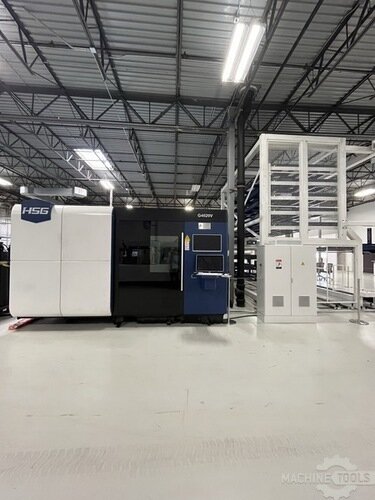
HSG G4020V 6G 30KW + STORE 4020 6
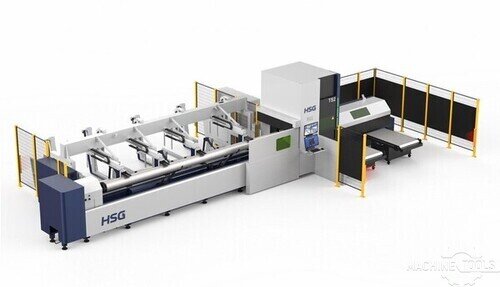
HSG TS2 HIGH SPEED TUBE FIBER LASER CUTTING MACHINE
Validate Automation and Throughput Needs to Match the Best HSG Option
If the laser waits on a forklift, an operator, or a sorting table, you are not buying cutting speed, you are buying idle time. The reality in Midwest shops is that labor availability and training speed often determine ROI more than peak inches per minute. The fix is to map your sheet-to-sheet flow (load, cut, unload, sort, remnant handling) and choose the HSG automation level that matches your staffing model, with controls integration that makes changeovers predictable and onboarding easier; at Mac-Tech, this is where install planning and training sequencing matter because the best automation still fails if material logistics are not set.
For a practical look at tooling and equipment options that support a complete cell, start here: https://shop.mac-tech.com/
Next Steps for Modern Fabricators to De Risk Their Fiber Laser Purchase as H2 headings (##)
De-risking is about proving your parts, your people, and your utilities can support the result you’re buying. I recommend a short validation plan: bring a representative part pack, run it across your real thickness bands, and measure not just cut time but total sheet time, first-article time, and secondary finishing minutes. Then lock a commissioning checklist that includes gas verification, operator standards for consumables, and a training plan that gets you to repeatable results in weeks, not quarters.
If you want to tighten your quoting-to-cut workflow and reduce programming and nesting friction, pairing the laser decision with a software workflow review can also pay back quickly; Vayjo resources can help frame that discussion: https://vayjo.com/
FAQ
How do I estimate ROI beyond “faster cutting”?
Use total sheet-to-sheet time, labor touchpoints, gas cost per sheet, and rework/deburr hours as the core ROI drivers, not just pierce-to-pierce speed.
How long does operator training typically take to get consistent edge quality?
With standardized consumables and a documented cut library, most shops see stable results in a few weeks; the gap is usually process discipline, not operator capability.
Should I retrofit automation or buy a new automated system?
Retrofit can work if the base machine and controls support it, but new systems reduce integration risk and often deliver faster commissioning and repeatability.
Will an HSG laser integrate with my existing material handling and scheduling?
In most cases yes, but you need to confirm interfaces, remnant strategy, and how you will control priority changes without breaking nests and causing reruns.
What are the biggest uptime risks in the first 90 days?
Gas supply limitations, inconsistent consumable handling, and unplanned changeovers drive most early downtime; a commissioning checklist and PM cadence mitigate this.
If you want to walk through your material mix and throughput targets and map them to the right HSG options, email me at aquoss@mac-tech.com or connect here: https://shop.mac-tech.com/contact/
Get Weekly Mac-Tech News & Updates
