Efficient Shearing Lines: Elevate Productivity with Smart Material Handling
As someone deeply invested in helping shops modernize their production processes, I’ve seen firsthand the transformative power of efficient shearing lines. From roofing lines to architectural fabrication, my journey from southern Chicago to Mac-Tech has allowed me to assist many in elevating their operations. Let’s explore how smart material handling can boost your productivity.
Common Challenges in Material Flow
In many facilities, inefficient material flow can be a significant bottleneck. Manual lifting and outdated equipment often lead to increased labor costs and potential safety hazards. I’ve observed that shops struggle with maintaining consistent throughput due to these inefficiencies.
Insights from Successful Coil Line Installations
Successful installations often incorporate advanced coil systems that streamline operations. For instance, at a recent installation, we implemented a Stefa coil system that drastically reduced downtime. The automated handling minimized manual intervention, leading to a 30% increase in productivity.
Manual vs. Automated Folding Systems: A Comparative Analysis
Manual systems, while initially cost-effective, often lag in precision and speed compared to automated solutions. For example, an Erbend automated folder we installed in a local shop doubled their output and improved accuracy, reducing waste significantly compared to their previous manual system.

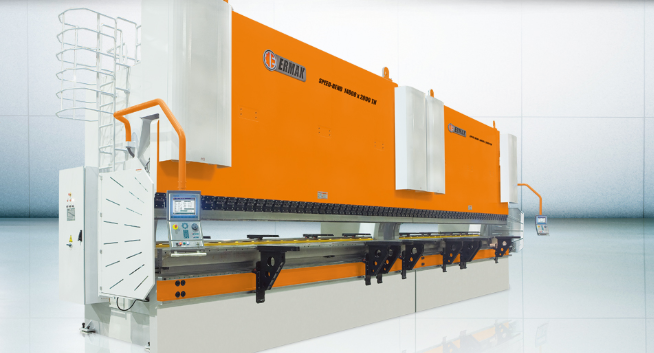
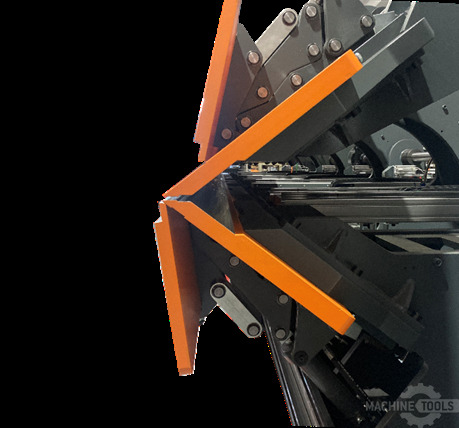
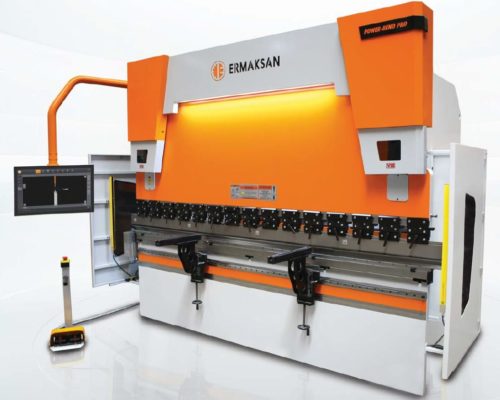
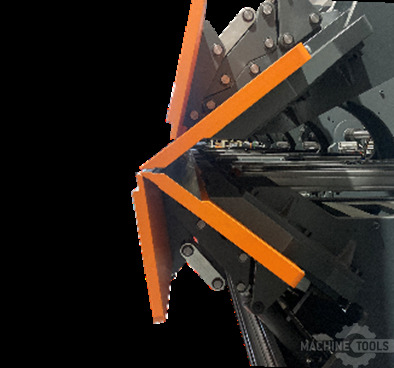
MRGM 2560

ERMAK – HGD
Key Upgrades for Enhanced Throughput and Precision
Upgrading to conveyors, stackers, and backgauges can dramatically enhance both throughput and precision. A Mac Shear installation I supervised utilized these upgrades, which not only improved material handling but also reduced operator fatigue and error rates.
Optimizing Processes: Slitting, Forming, and Shearing
Efficient slitting, forming, and shearing are crucial for maintaining a competitive edge. Akyapak’s advanced machinery has been instrumental in optimizing these processes. By integrating these systems, one client saw a 25% reduction in cycle time, enabling them to meet tight deadlines with ease.
Embracing Automation for Improved Workflow Integration
Automation is key to seamless workflow integration. Implementing Rytech’s automated solutions has enabled shops to synchronize operations, from slitting to shearing, ensuring a smooth material flow and reducing bottlenecks.
FAQ Section
When is the right time to upgrade a roll former or folder?
Upgrading is ideal when maintenance costs outweigh the benefits or when production demands outpace current capabilities.
How do servo-driven folders compare to hydraulic systems?
Servo-driven folders offer greater precision and energy efficiency, making them preferable for high-volume operations.
What’s the difference between a combi-beam and double folder?
A combi-beam offers versatility for various bends, while a double folder excels in speed and consistency for repetitive tasks.
What are signs a roll forming line is no longer cost-effective?
Frequent breakdowns, high scrap rates, and inability to meet production demands indicate it’s time for an upgrade.
How can coil automation reduce operator requirements?
Automation minimizes manual handling, reducing the need for operators and lowering labor costs.
What kind of maintenance schedule do panel benders need?
Regular maintenance every 6-12 months ensures optimal performance and longevity.
Can older shears be upgraded with safety and accuracy features?
Yes, retrofitting with modern controls and safety features can extend their lifespan and improve precision.
Thank you for considering ways to enhance your productivity. I’m here to help you navigate these upgrades with confidence. Reach out for a walkthrough, demo, or quote. Let’s work together to ensure your long-term success.
— Pat O’Neill, National Product Manager and Regional Sales Executive at Mac-Tech
Get Weekly Mac-Tech News & Updates