
Mac-Tech has built a reputation for matching metal fabrication shops with production-ready equipment that drives measurable output, not just impressive demos. For Illinois fabricators and Iowa job shops balancing staffing constraints with demanding lead times, Cut Bend and Beam Automation with integrated load unload cells has become a strategic way to stabilize throughput, improve part consistency, and reduce forklift and operator touch time. The most successful deployments focus on practical decision points such as where material is currently queued, where handling interrupts the cut to bend flow, and where beam processing is limited by manual staging. With the right configuration, automation supports consistent scheduling while keeping flexibility for mixed work in construction, transportation, agriculture, and heavy equipment manufacturing.
Accelerate Cut Bend and Beam Production with Integrated Load Unload Cells
Integrated load unload cells are designed to move work through cutting, bending, and structural workflows with fewer handoffs and fewer interruptions. Instead of relying on manual staging and periodic forklift moves, the cell can be planned to keep material feeding consistently and finished parts clearing predictably, which helps reduce bottlenecks between processes.
The strongest fit is typically found in shops running repeat work, nested programs, and scheduled batches where material flow is already understood but constrained by labor availability. In many Midwestern manufacturers, payback depends on utilization, part mix, shift structure, and how effectively the load unload cell replaces non-value-added handling rather than simply relocating it.
Mac-Tech supports the full scope from consultation through procurement, installation, training, and post-sale service coordination in IL and IA. That planning emphasis helps ensure the automation footprint, staging approach, and downstream routing match real shop constraints before equipment arrives.
Precision Automation for Consistent Angle Control and Repeatable Part Quality
Bending automation and consistent angle control address one of the most common sources of scrap and rework in cut bend workflows: variation created by manual handling, inconsistent gauging, and operator-dependent forming practices. When paired with load unload and sorting strategies, a bending cell can help maintain repeatability across long runs and reduce the disruption caused by frequent part flipping and re-staging.
Machine fit and quality drivers:
- Best suited for repeat parts, families of parts, and schedules where consistency matters as much as speed
- Supports reduced rework by limiting variation caused by manual touches and inconsistent handling
- Helps stabilize downstream assembly and welding by producing more uniform components
ROI is typically strongest when a shop is currently limited by skilled operator availability, frequent first-article adjustments, or excessive in-process WIP around the press brake. Payback remains conditional on material mix, thickness ranges, batch sizes, and whether the cell is fed by upstream cutting in a way that avoids starvation or excessive queueing.
Mac-Tech involvement goes beyond the equipment selection to include workflow review, programming considerations, and training plans that accelerate adoption. For Illinois and Iowa operations, service coordination and application guidance help protect quality over time as jobs and staffing change.
Higher Throughput with Reduced Touch Time and Safer Material Handling
Reducing touch time is often the simplest path to higher throughput, especially when the constraint is not machine cycle time but the time spent staging, sorting, flipping, and transporting parts. Load unload cells and sorting approaches can be configured to reduce manual lifts and repetitive moves, lowering the risk of damage to parts and helping improve overall shop safety.
Structural and beam workflows benefit when beam processing is planned around predictable infeed and outfeed, minimizing bottlenecks at staging areas. For construction-related fabricators and heavy equipment suppliers, improved handling and routing can also reduce scheduling volatility caused by inconsistent material availability at the next operation.
Throughput and labor levers:
- Reduced forklift reliance and fewer operator trips between staging points
- Better flow from cutting to bending to assembly with less in-process congestion
- More predictable queue management to support on-time delivery performance
Realistic ROI depends on how often the current process waits on material movement, how many touches are eliminated per part, and whether the shop can reassign labor to higher-value tasks like setup reduction, inspection, welding, or assembly. Mac-Tech helps validate these decision points during the evaluation so the automation package is built around measurable constraints, not assumptions.
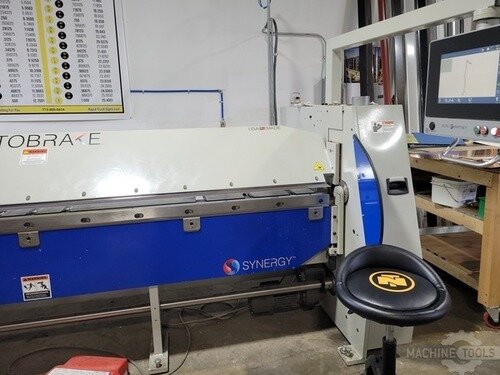
ROPER WHITNEY AB1016
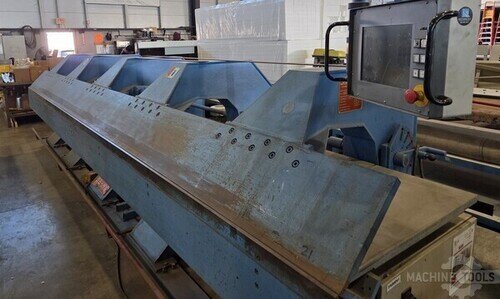
JORNS AG MAXI-LINE-150SW-SO-CNC500-6.4-HS
Maximize Uptime with Robust Controls, Quick Changeovers, and Service Support in IL and IA
Automation only delivers value when uptime stays high and changeovers stay manageable for the job mix. Controls reliability, error recovery, and quick change strategies matter as much as raw capacity, particularly for Iowa job shops and Illinois fabricators running diverse orders across agriculture, transportation, and general fabrication.
The right package is typically defined by how the cell handles common disruptions such as mixed thickness runs, variable part sizes, and short-notice schedule changes. Shops often see stronger results when the automation plan includes clear material staging rules, standardized job routing, and a training approach that supports consistent operation across shifts.
Mac-Tech provides end-to-end support that includes project planning, installation coordination, operator training, and post-sale service alignment to protect production continuity. Regional coverage in IL and IA helps shorten response times and keeps accountability clear from initial scope through commissioning and ongoing support.
Next Steps to Compare Mac-Tech Listings and Configure the Best ROI Automation Package
Comparing automation options starts with the current workflow map: where material waits, where labor is consumed by handling, and where quality issues appear. From there, the evaluation can narrow to the right combination of load unload, sorting, bending cells, and beam processing capacity based on actual constraints and target throughput.
Relevant equipment and automation-ready configurations can be reviewed directly through Mac-Tech listings at https://shop.mac-tech.com/. For shops also evaluating broader workflow digitization and production planning alignment, supporting resources are available at https://vayjo.com/ to help connect scheduling realities with shop-floor execution.
A quote that reflects true ROI typically requires part and material details, routing steps, available floor space, and current staffing assumptions. Mac-Tech guides Illinois fabricators and Iowa job shops through that discovery process, then coordinates procurement, installation, training, and service planning to reduce risk and accelerate time to value.
FAQ
What materials and applications are a fit for cut bend and beam automation?
Most fits are driven by repeatability, handling needs, and routing stability rather than a single material type. Typical applications include construction components, transportation brackets, and heavy equipment parts where flow and consistency matter.
How should delivery, installation, and commissioning be planned?
Planning should include floor space, power requirements, staging lanes, and material flow to upstream and downstream processes. A site review helps reduce commissioning delays and supports smoother startup.
How quickly can operators adopt a load unload or bending cell?
Adoption depends on job mix and how standardized the workflow is. Structured training and clear operating procedures typically shorten the learning curve and improve consistency across shifts.
What maintenance considerations protect uptime?
Preventive maintenance scheduling, consumables planning, and basic troubleshooting training reduce unplanned stops. Service coordination and a clear escalation path help keep recovery times short.
Can automation integrate with an existing cutting or bending workflow?
Integration is often possible when routing and staging are defined and the upstream process can feed the cell consistently. A workflow review determines where buffers, sorting, or handoffs should be adjusted.
Are trade-in and financing options available for modernization?
Options vary based on equipment type and condition, along with the final package scope. A consultation can outline possible trade-in value and financing structures aligned to cash flow needs.
What information is needed for an accurate quote and layout?
Key inputs include part sizes, thickness ranges, material types, production volume assumptions, routing steps, and available floor space. Current bottlenecks and staffing plans help align the automation package to realistic ROI goals.
For more info: 888-MAC-9555, or find Mac-Tech on LinkedIn. Mac-Tech support helps Illinois and Iowa buyers move from evaluation to installation with confidence and clear accountability for configuration, training, and long-term performance.
Get Weekly Mac-Tech News & Updates
