A failed sensor that keeps tripping an alarm is one of the most common issues I handle, and it is rarely the only problem. The real production hit comes when the part is not identified correctly, lead time changes midstream, and the line stays down while teams guess. I keep production moving by confirming the exact machine configuration, validating the failure mode, and coordinating OEM-accurate parts with the right service support so the fix holds and the schedule stabilizes.
Critical Spares Planning That Prevents Downtime When Lead Times Shift
Lead time uncertainty hurts most when a small, high-impact component stops a whole system, like sensors and safety switches, motion control and drive components, hydraulics and pneumatics, and cooling or filtration elements. Early warning signs operators miss include nuisance faults that clear on reset, intermittent pressure drift, slow axis response, and temperature alarms that come and go during heavy cycles. My practical approach is to stock based on failure impact and downtime cost first, then layer in lead time variability and install complexity, and I confirm OEM accuracy so the spare actually fits your revision level.
After replacement, I always want teams to verify the root cause is removed, not just the symptom, by checking alignment, wiring integrity, contamination, and parameter settings where applicable. For prevention, I recommend a quarterly critical spares review tied to actual downtime events, plus a monthly check of items with volatile lead times or supplier constraints. If you need a starting point for OEM-accurate spares and common wear categories, you can reference our parts storefront at https://shop.mac-tech.com/ and I can help you translate that into a minimum, non-bloated stocking list.

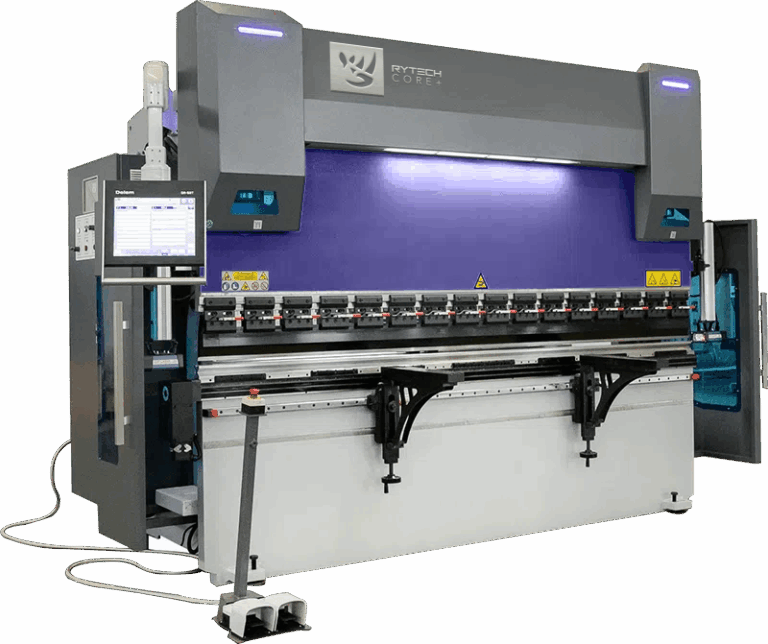
ERMAKSAN POWER-BEND PRO FOR SALE
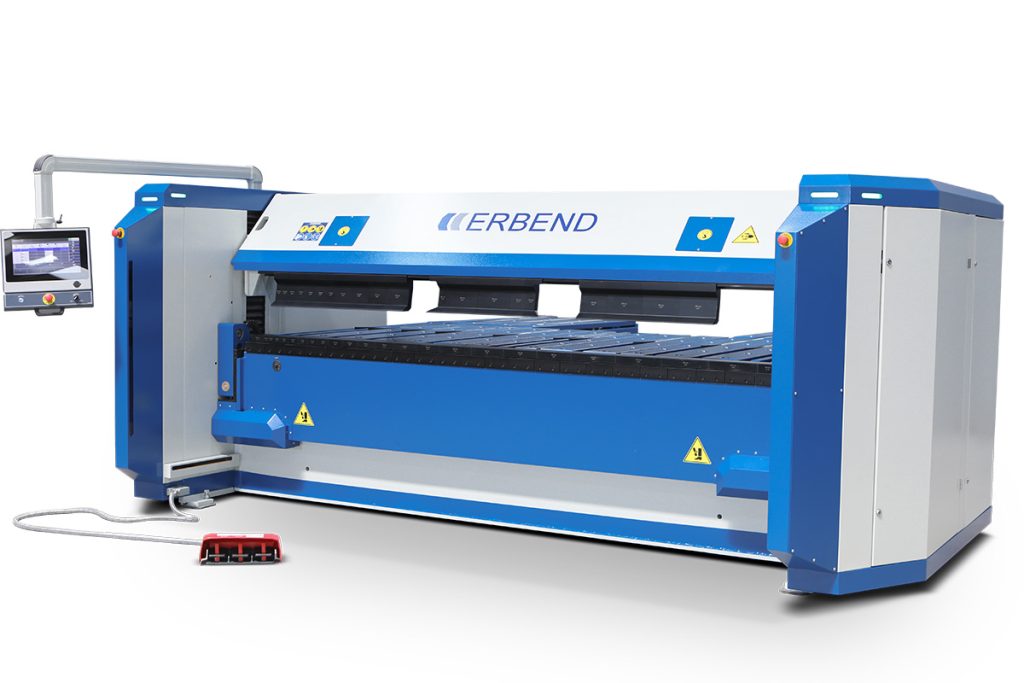
ERBEND SFA
Wear Indicators and Inspection Cadence That Catch Failures Early
Most unexpected failures start as minor wear that gets normalized, like a coolant leak that becomes a daily top-off, a seal that leaves a light mist, or a misalignment that slowly increases load. The missed early signs are usually audible and visual: hotter than normal motor housings, fine debris around bearings or guides, fluid darkening, drifting setpoints, and repeatable alarm patterns at the same point in the cycle. The affected categories tend to be seals and hoses, filters and lubricators, bearings and guides, belts and couplings, and sensors that are exposed to coolant, vibration, or swarf.
The fix is rarely complicated, but it has to be clean and verified: replace the worn component, correct the underlying contamination or alignment issue, and then confirm pressures, temperatures, and motion repeatability after the repair. For prevention, I recommend quick operator walk-arounds every shift for leaks, unusual noise, and recurring alarms, with a deeper weekly check of fluid condition, filter indicators, and exposed cable and hose routing. When you catch these early, you can schedule the replacement and keep critical spares limited to the parts that actually create downtime risk.
Predictable Maintenance Stocking That Extends Machine Life and Stabilizes Scheduling
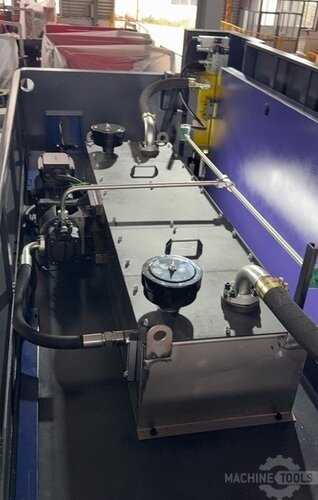
Predictable maintenance stocking is not about filling shelves, it is about protecting uptime with the right consumables and life-limited components before they become emergency buys. The usual causes of unplanned downtime are deferred filter changes, lubrication gaps, coolant management issues, and gradual wear on drive and motion components that finally crosses a threshold during peak demand. The systems most affected are hydraulic and pneumatic circuits, coolant and chiller loops, lubrication systems, braking components, and laser, saw, or roll-related wear items where performance degrades long before a full stop.
To keep spending controlled, I separate spares into three buckets: immediate downtime stoppers, planned maintenance consumables, and longer-lead capital spares that justify staged ordering only when condition indicators trend the wrong way. My stocking decision inputs
- Failure impact on the whole cell, not just one component
- True downtime cost per hour, including labor and missed ship dates
- Lead time volatility and supplier allocation risk
- Install complexity and whether you need service coordination
- Evidence from alarms, inspection findings, and prior failures
After any maintenance replacement, the check is simple but critical: confirm the machine returns to baseline performance, verify no secondary leaks or loose connections, and validate alarms and interlocks under normal load. For cadence, plan monthly consumable review, quarterly condition-based checks on wear components, and an annual refresh of your critical spares list based on what actually caused downtime. If you are also tracking assets and parts usage digitally, Vayjo can support that workflow at https://vayjo.com/ so your spares decisions stay tied to real data rather than guesses.
Getting Parts and Service Support from Nicole Salato at nicole@mac-tech.com
When lead times shift, speed comes from accuracy, and accuracy comes from the right inputs and a fast feedback loop between your floor and my team. The most common causes of delays are incomplete machine identification, assuming a universal fit, and not capturing the alarm context that points to the real failing subsystem. I coordinate OEM-accurate parts sourcing, verify compatibility at the machine revision level, and line up service support when the repair needs alignment checks, parameter validation, or system-level troubleshooting.
What I need to identify the right part fast
- Machine model and serial number
- Clear photos of the failed area and any labels
- Alarm codes and a short description of when the fault occurs
- Recent maintenance history and any changes to coolant, lubrication, or settings
- Your downtime priority and whether service help is needed
Once the part is in, I recommend a short post-repair validation run under normal load, then a quick recheck the next shift to catch any settling, leaks, or repeat alarms before they snowball. You can also browse and request parts through https://shop.mac-tech.com/ and I will help you confirm OEM fit, stocking quantities, and the right inspection cadence to prevent repeat failures.
FAQ
How often should I service brakes, lasers, saws, and rolls?
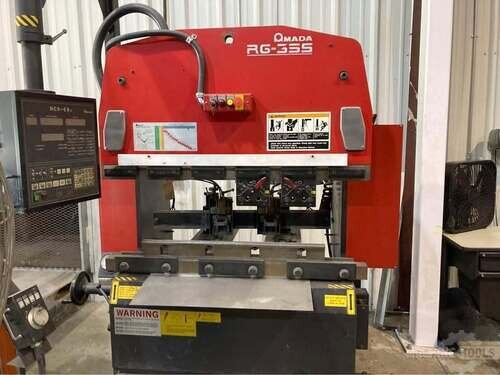
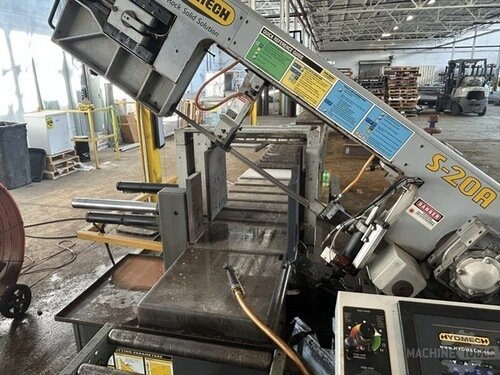
Brakes and safety-related components are often checked monthly with deeper inspection quarterly, while lasers, saws, and rolls typically need weekly operator checks and scheduled service every 3 to 12 months depending on duty cycle and environment.
What are the easiest ways to spot wear before it causes downtime?
Watch for repeating alarms, small leaks, heat, noise, vibration, and performance drift that slowly becomes normal. Track these signals and act when the trend changes, not when the machine stops.
What information should I send to get the right part identified quickly?
Send the model, serial, photos, alarm codes, and when the issue occurs in the cycle. If you can add a short video and recent maintenance notes, I can usually narrow it down much faster.
Why does OEM accuracy matter for critical spares?
Fit and function often change by machine revision, even when parts look similar. OEM-accurate sourcing reduces install surprises and helps the repair last instead of creating repeat faults.
How do I decide what spares to keep on hand without overspending?
Stock the items that stop production, have uncertain lead times, and are quick to swap, then review quarterly based on real downtime and inspection findings. Keep planned maintenance consumables sized to your service cadence, not to worst-case fear.
What post-repair checks prevent repeat failures?
Confirm no leaks, verify alignment and routing, validate alarms and interlocks, and run the machine under normal load long enough to see stable temperatures, pressures, and repeatable motion. A next-shift recheck catches settling issues early.
Contact me for preventive maintenance scheduling, service coordination, or OEM parts support at nicole@mac-tech.com and https://shop.mac-tech.com/.
Get Weekly Mac-Tech News & Updates