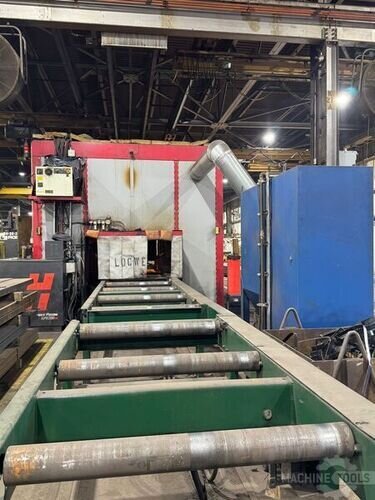
Oil and gas skids, bridge girders, ship modules, and tower sections are being asked to move faster with fewer people, tighter tolerances, and less schedule float. The operational reality is that one missed fit-up window or a week of plate prep backlog can cascade into crane time, overtime, and liquidated damages. I am Dave Graf, Regional Sales Executive at Mac-Tech, and my role is to be your single point of contact to coordinate turnkey automation, integration, and ROI-focused delivery so your capital decision is based on validated payback inputs, not assumptions.
Operational Bottlenecks in Beam and Plate Processing That Erode ROI
Most payback models fail because they understate where time and money actually leak: material handling, queue time, and rework between disconnected steps. In bridge, ship, and energy fabrication, bottlenecks typically show up as idle weld cells waiting on parts, rework due to inconsistent prep, and unpredictable downstream fit-up. These are business problems first: lost throughput, higher cost per ton, and missed delivery commitments.
Where ROI gets silently lost
- 1–3 hours per shift in queue time between burn table, drill, coping, and marking stations
- 2–6 touchpoints per part from forklift and crane moves, staging, and re-staging
- 3–8% rework rate tied to inconsistent hole quality, bevel prep, or part ID and orientation
- Changeovers of 30–90 minutes when you batch work around bottlenecks instead of flowing it
- Unplanned downtime risk when the process depends on a single expert operator per shift
ROI Decision Criteria and Business Case Inputs for Automated Beam Plate Lines
Executives do not need more machine specs; you need inputs that drive payback with defensible math. The highest-impact variables are labor hours removed from repetitive steps, throughput improvement that reduces overtime or adds capacity, and quality consistency that protects schedule reliability. Before capital approval, validate the baseline with time studies and actual ERP labor tickets, not estimates.
Inputs that actually move payback
- Current and target throughput: parts per shift, tons per week, and takt time to feed welding and assembly
- Direct labor loaded rate: $/hour fully burdened, plus premium overtime rates and contractor costs
- Touch labor removed: drilling, coping, marking, beveling, and manual layout hours per part family
- Material handling: crane and forklift minutes per move, average moves per part, and staging footprint
- Quality and rework: rework hours per weldment, scrap %, and fit-up delay hours tied to upstream variation
- Uptime assumptions: planned utilization %, realistic maintenance windows, and operator coverage by shift
- Programming and data flow: time to generate NC from Tekla, SDS2, or other detailing outputs
What to validate before you commit
- Confirm part mix distribution: 70% of hours often comes from 20% of recurring part types
- Run a 2–4 week baseline: queue time, changeover time, and downstream starvation events
- Stress-test the ROI model with conservative utilization, not best-case marketing numbers
Solution Options and Line Configurations with a Single Point of Contact for Integration
Automated beam and plate lines win when they reduce steps and touchpoints while stabilizing downstream flow. Depending on your mix, Prodevco beam drilling and processing cells can remove manual layout and reduce drilling variability, while Akyapak and Ermaksan plate processing options can streamline prep and hole-making for plate-intensive packages. For plate cutting and nesting-driven environments, HSG Fiber Lasers can be relevant when the business case is built around high duty cycle cutting, consistent edge quality, and downstream fit-up improvement, not just inches per minute.
My job is to coordinate the whole system as one line, not a collection of machines: layout, infeed and outfeed, conveying, part identification, dust and fume considerations, and the software handoff from detailing to the floor. When you need bending, rolling, or tube and section forming capabilities around the same fabrication flow, Ercolina and Liberty solutions can fit into the broader cell design without you managing multiple vendors. For reference on configurable equipment and sourcing, start here: https://shop.mac-tech.com/
Typical configurations we evaluate
- Beam drilling and processing cell with automated measuring, marking, and controlled material flow
- Plate processing line aligned to your most common thickness range and hole/bevel requirements
- Hybrid flow: laser cut plate prep feeding fit-up and robotic or semi-automatic welding cells
- One-line data chain: detailing output to NC, revision control, and traceable part ID to assembly
Implementation Risks, Change Management, and Commissioning Planning
The biggest risk is not the machine; it is implementation drift: unclear scope, rushed foundations, incomplete material flow planning, or a training plan that assumes tribal knowledge will carry over. I build commissioning plans that match your production reality, including phased cutover so you protect delivery dates while the new line ramps. Change management matters because automation changes roles, shift responsibilities, and quality ownership.
Risk controls that protect uptime and schedule
- Layout and flow validation: infeed staging, WIP limits, and crane interference mapped before install
- Commissioning plan: dry runs, first-article signoff, and ramp targets by week for 30–90 days
- Training coverage: operator, programmer, maintenance, and supervisor training with skills checklists
- Spares and maintenance: critical spares list, PM schedule, and service response expectations documented
- Data discipline: revision control and job traveler alignment so the floor trusts the new process
When multiple systems are involved, I coordinate integration sequencing, vendor responsibilities, and acceptance criteria so you do not become the project manager by default. Long-term, service continuity is planned upfront so maintenance teams know who to call, what is covered, and how uptime is protected.

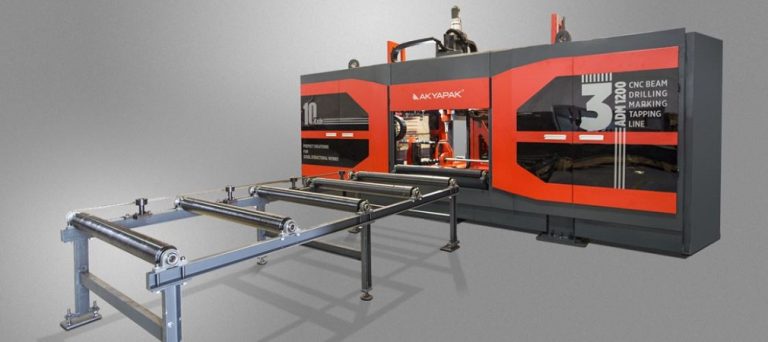
3ADM 1200 Beam

AFD Plate Drilling Machines
Measurable Outcomes and ROI Tracking for Structural Automation Investments
An ROI case is only as good as the metrics you track after go-live. The goal is not theoretical capacity; it is measurable stability: more predictable throughput to welding and assembly, fewer rework loops, and less unplanned overtime. Executives should insist on a simple scoreboard that ties back to the original business case inputs.
Outcomes we typically target and track
- Throughput: +15–40% parts per shift in the constrained department, validated by job completion data
- Labor reduction or redeployment: 1–3 FTE per shift moved from repetitive prep to higher-value work
- Rework reduction: 20–50% fewer upstream-caused fit-up corrections via consistent hole and edge quality
- Material handling reduction: 2–4 fewer touches per part and measurable crane time freed per week
- Uptime and reliability: utilization tracked weekly with root-cause downtime codes
- Schedule reliability: fewer late jobs due to stabilized prep flow and faster changeover management
If a broader digital thread supports the outcome, tools that improve workflow visibility and quoting discipline can help reinforce the ROI story across departments. When appropriate, I will point teams to operational workflow resources like https://vayjo.com/ to support measurement and follow-through beyond the machine itself.
Next Steps for Structural Fabricators Evaluating Automated Beam Plate Lines
Start with a constrained-flow map, not a machine shortlist. Identify which department is starving downstream operations, and quantify the true cost of delay in dollars per day and hours per shift. Then build a conservative model and validate it with a representative sample of your actual part mix.
A practical evaluation sequence
- 2-week baseline study: queue time, changeovers, touches, rework hours, and downtime by cause
- Part family analysis: top recurring beams and plates by hours and rework impact
- Layout and utilities review: foundations, power, air, fume, and material flow constraints
- Integration scope definition: detailing output to NC, infeed and outfeed, ID and traceability
- Phased implementation plan: cutover strategy that protects current backlog commitments
I coordinate demos, application review, layout planning, installation, commissioning, training, and long-term service planning so your team has one accountable partner from concept to stable production.
FAQ
What lead time should we plan for an automated beam and plate line?
It depends on configuration and scope, but executives should plan for manufacturing lead time plus site readiness and commissioning time. I align the timeline with your backlog and cutover strategy so delivery risk is managed.
How do we reduce implementation risk if we cannot afford downtime?
We plan phased cutover, staged installation tasks, and clear acceptance criteria so you keep shipping while ramping the line. I coordinate vendors and sequencing so you are not troubleshooting handoffs alone.
What training is required for operators and programmers?
Training usually includes operator workflow, NC/program handling, quality checks, and maintenance basics, with supervisor-level production control. I build a training plan with measurable competencies so it sticks after go-live.
Who handles integration across multiple machines and suppliers?
I do, as your single point of contact at Mac-Tech, coordinating layout, interfaces, and responsibilities. The goal is one integrated line with one accountable delivery plan, not a set of disconnected installs.
How should we measure ROI after commissioning?
Track the same inputs used in the business case: throughput, labor hours, rework hours, touches, and uptime. I help set up a simple weekly scoreboard and review cadence to keep the project honest.
What does lifecycle support look like once the warranty period is over?
We plan preventive maintenance, critical spares, and service response expectations up front. I stay engaged to ensure continuity of support and help you avoid single-point-of-failure dependencies.
Contact Dave Graf for planning, demonstrations, or full project coordination at dave@mac-tech.com, 602-510-5552, and https://shop.mac-tech.com/.
Get Weekly Mac-Tech News & Updates