AFD Plate Drilling Cell Layout for Structural Steel Shops
The AFD improves structural-plate throughput when loading, drilling, marking, tapping, outfeed, and the next operation are designed as one controlled material-flow route.

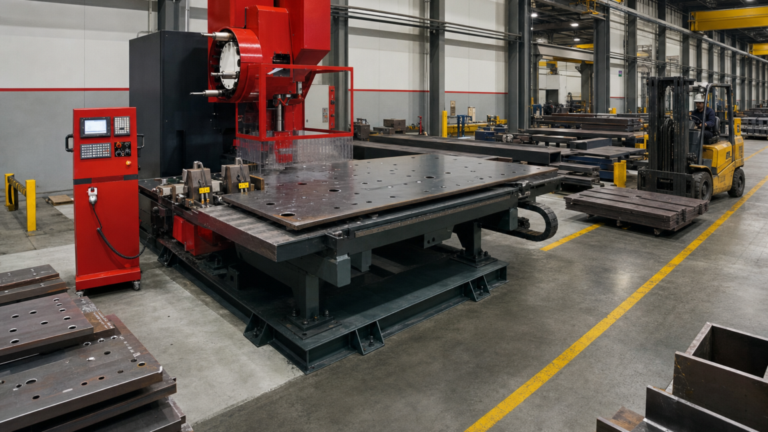
The AFD improves structural-plate throughput when loading, drilling, marking, tapping, outfeed, and the next operation are designed as one controlled material-flow route.
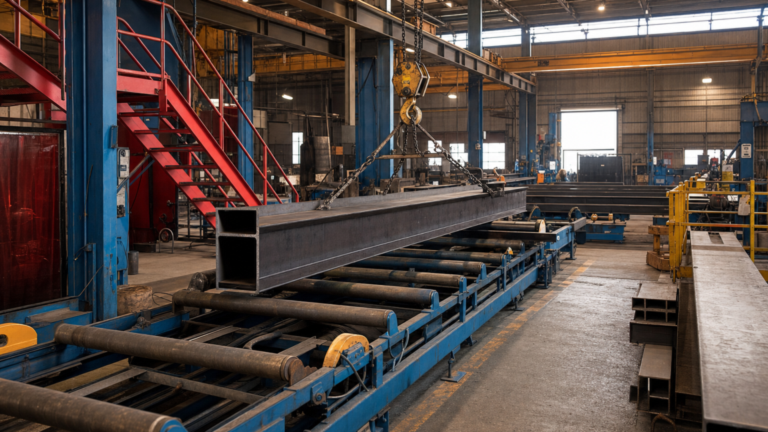
IMTS 2026 makes material flow part of the automation conversation. For heavy fabricators, the AMTEK material-handling offering provides a concrete option to evaluate before another processing machine adds capacity to an already congested route.
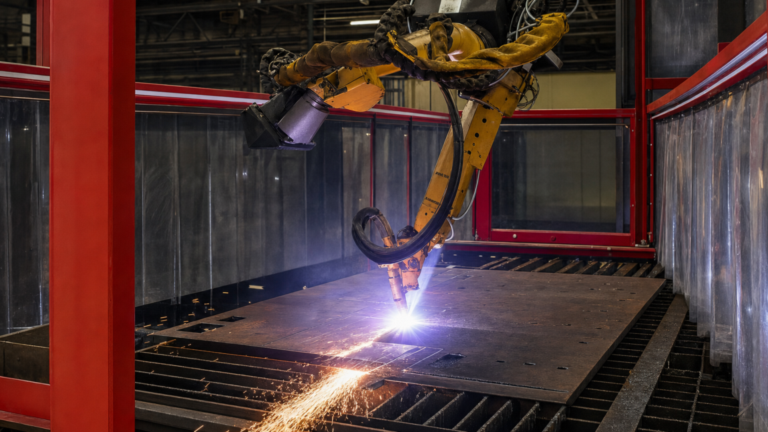
The AISC 360 and AISC 341 drafts do not require an immediate machine change. Structural shops should review contract requirements, approved detailing data, NC1 or DSTV release, measurement, marking, and inspection controls before changing production methods.
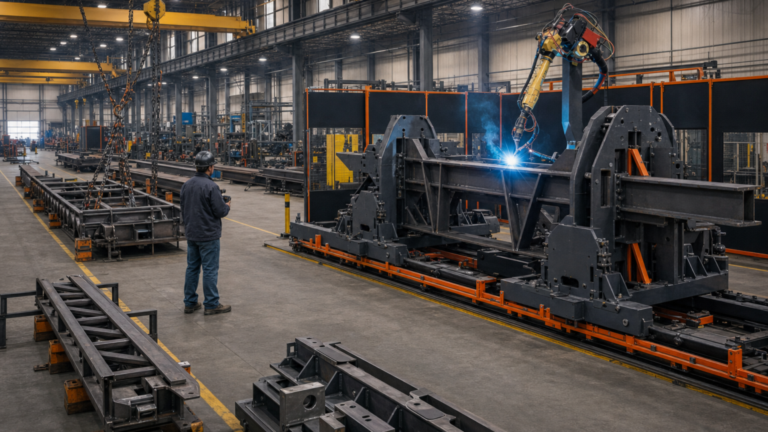
AGT BLOK can improve robotic welding productivity only when cut components, fit-up, fixtures, handling, access, and finished-part removal keep pace with the cell. The 1872 Factory One story shows why material flow should be designed before arc time becomes the headline metric.
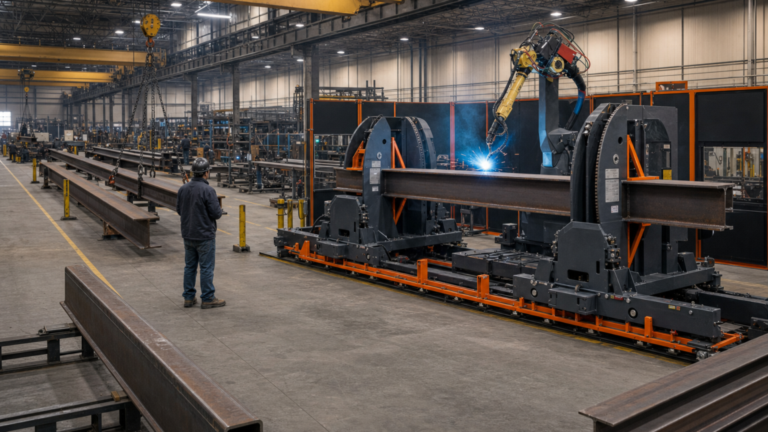
An AGT BeamMaster cell needs more than its published machine envelope. The Light, Plus, or Twin configuration must be matched to the longest member’s handling route, crane coverage, safeguarded access, fit-up, inspection, and outfeed staging.
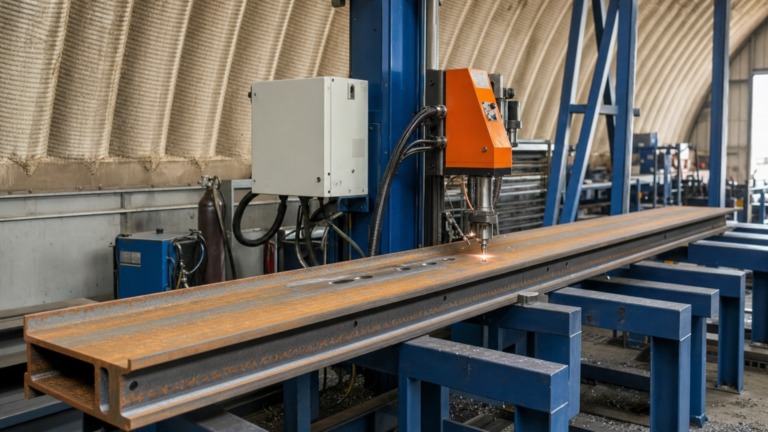
The Akyapak 3 ADM VENERA is worth evaluating when structural members repeatedly need multi-face drilling plus chamfering or rathole-style weld-access preparation. This guide explains when that capability changes the choice over a standard 3 ADM or 3 ADM ECO.
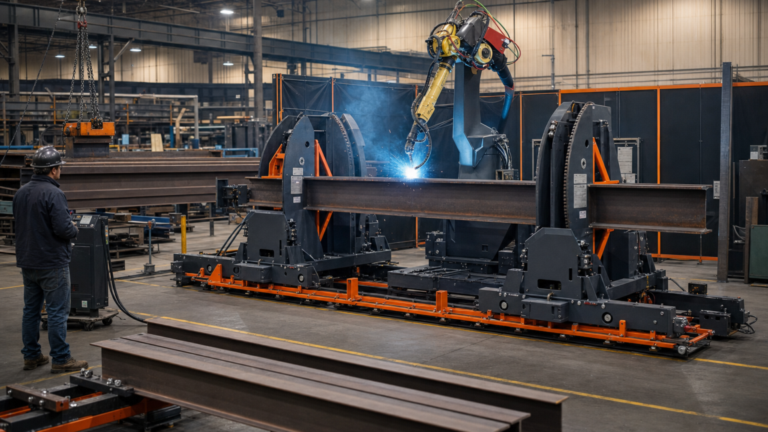
AGT BeamMaster rotators can reduce repeated crane-supported flips and repositioning during structural-steel welding when compatible pre-fit members fit the cell envelope and the shop plans the remaining load-in, load-out, service, and exception work.
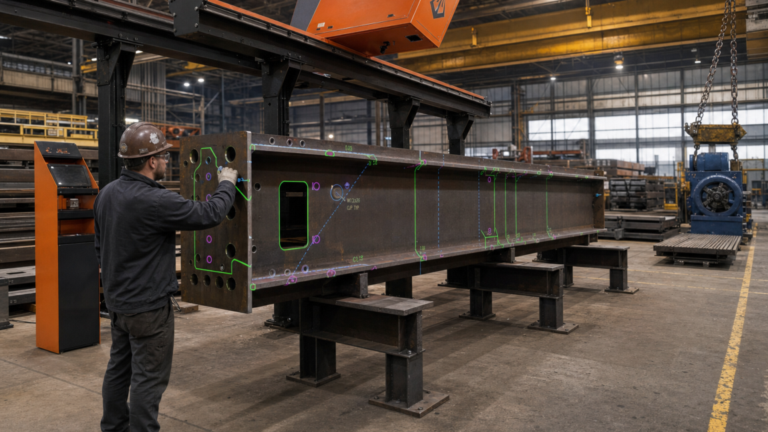
The AGT Robotics LayoutMaster projects 3D CAD fitting information onto beams, HSS, channels, angles, plates, and structural assemblies. It can reduce manual layout, but the application still depends on controlled CAD data, repeatable workpiece alignment, clear crane and operator access, and a material path that supports fitting through welding.
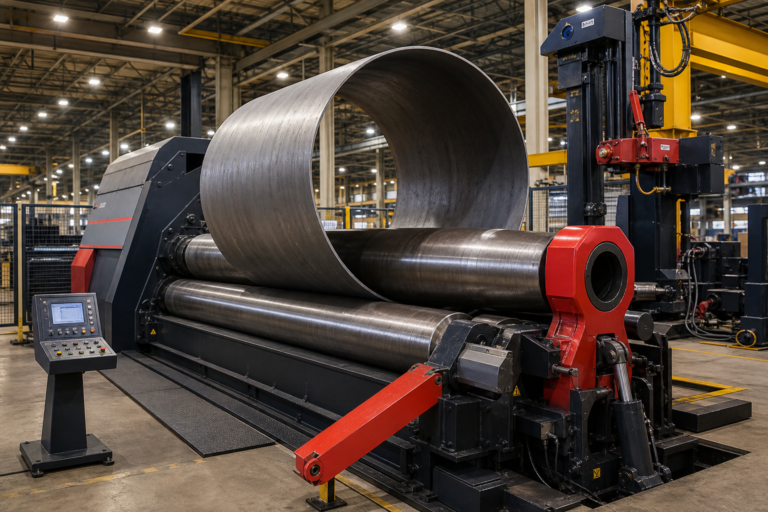
Davi’s expanded North American support operation can make application testing, training, parts planning, and retrofit review more practical for 4-roll plate-roll buyers, but it does not replace machine-fit validation.
End of content
End of content