
A chiller alarm that starts as an intermittent temperature spike is one of the most common issues I help shops troubleshoot, and it often shows up right when cut quality starts drifting. When that happens, my job as Service & Parts Lead at Mac-Tech is to keep production moving by identifying the correct HSG system components quickly and coordinating the right service response before a small coolant issue becomes optics damage or unstable pierce performance. Accurate OEM part matching, clear communication, and fast logistics are what prevent a single alarm from turning into an all day shutdown.
Daily and Weekly Cut Quality Checks That Prevent Unexpected Downtime
Cut quality usually drops first because of heat management drift, dirty optics, or consumables that are technically still cutting but no longer cutting predictably. Operators often miss early signs like a slight rise in pierce time, more spatter on the underside, a faint haze on a protective window, or a nozzle that needs more frequent re-centering. The systems affected are the optics train, cutting head, assist gas delivery, chiller and coolant loop, and the consumable stack.
Practical routine and cadence
- Daily: verify chiller temperature stability and coolant level, confirm no leaks at fittings, check air and gas pressures against the cut chart, and inspect nozzle and protective window for contamination
- Daily: quick cut sample on a known program to confirm kerf consistency, dross level, and edge striation direction
- Weekly: clean and inspect external optics surfaces per HSG procedure, inspect the cutting head for spatter buildup and seal condition, and verify nozzle alignment and centering
- Weekly: drain water trap, check filters for restriction, and confirm fans and heat exchanger are clear
If a check fails, the fix is usually a controlled cleaning or a consumable replacement rather than chasing parameters. After the repair, I recommend re-running the same cut sample, confirming chiller holds temperature under load, and documenting the before and after condition so the next shift can recognize the pattern early.
Early Wear Indicators That Keep Maintenance Predictable and Extend Machine Life
Most unexpected downtime comes from small components that degrade slowly: seals harden, filters load up, coolant quality slips, and optics get micro contamination that grows into heat related damage. Early warning signs operators miss include a gradual increase in gas usage, more frequent nozzle tip-ups, slight edge angle change, intermittent pierce failure on thicker plate, and chiller running longer to maintain setpoint. The affected categories are seals and O-rings, lenses and protective windows, nozzle and electrode style consumables, filters, coolant, sensors, and motion components that influence beam-to-nozzle alignment.
Replacement approach and what to verify after
- Replace the suspect consumable or optical protector first, then confirm cut chart settings match material and gas type
- If coolant quality is questionable, correct it before optics work and verify concentration, conductivity, and flow
- After any optics or head work, verify nozzle centering, run a short focus check, and validate with a controlled cut coupon
- Log alarms and trends so we can plan the next interval instead of waiting for failure
For prevention, I push a realistic cadence: daily visual checks and a quick coupon, weekly deeper inspections and cleaning, and a scheduled monthly review of coolant condition and filtration based on hours and environment. Planned OEM maintenance keeps HSG lasers stable, and it lets me coordinate parts and service before damage spreads to higher cost assemblies.
Documented Preventive Inspection Routines That Protect Long Term Laser Performance
The biggest improvement I see in long term performance comes from documenting what good looks like and repeating the same checks the same way. Cut quality instability is often caused by inconsistent maintenance steps, missed coolant issues, or replacing one item without confirming the supporting systems like gas, filtration, and chiller control. The systems involved span optics, coolant loop, assist gas, electrical connections, and the cutting head assembly.
What to document for consistency
- Daily: chiller setpoint and actual temp under load, coolant level, gas pressures, and a photo of nozzle and protective window condition
- Weekly: filter condition, water trap drain results, leak checks, and a cut coupon photo with notes on dross and striations
- Any time: alarm codes, time of day, material type, and whether the issue repeats on a known program
- Parts used: OEM source, install date, and machine hours at changeout
When you need parts, ordering from a consistent source reduces mismatched fits and repeat failures, especially for optics protectors, seals, filtration, and head consumables. For common maintenance items and OEM aligned replacements, I send teams to our parts portal at https://shop.mac-tech.com/ and I can also coordinate service resources when a documented routine shows a trend that needs deeper troubleshooting.
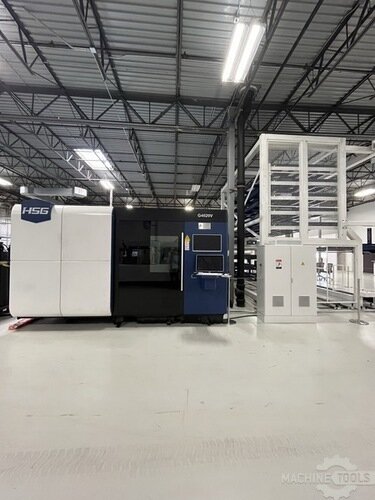
HSG G4020V 6G 30KW + STORE 4020 6
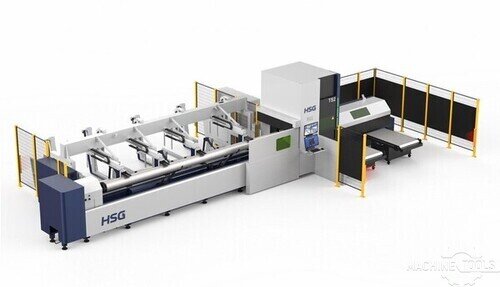
HSG TS2 HIGH SPEED TUBE FIBER LASER CUTTING MACHINE
Getting Parts and Service Support Through Nicole Salato at nicole@mac-tech.com
When an HSG fiber laser starts showing cut quality drift, the fastest path to uptime is accurate identification and coordinated service, not trial and error swapping. The delays usually come from missing information, or from non-OEM components that fit but do not hold tolerance under heat, pressure, or coolant exposure. I support the full category stack: optics protection and cleaning supplies, cutting head consumables, seals, filters, coolant loop components, and the service guidance to confirm the root cause.
What to send me for fast matching
- Machine model and serial number, plus cutting head type if known
- Photos of the nozzle, protective window condition, and any visible leaks or contamination
- Alarm codes, chiller setpoint and actual temperature, and what material thickness and gas were running
- What changed recently, including consumables, coolant top-offs, or parameter edits
Once we align the symptom to the system, I coordinate the right OEM parts and the right service timing so your maintenance stays planned instead of reactive. If you want to streamline recurring consumables and spares, we can set up a short list tied to your machine and typical material mix through https://shop.mac-tech.com/.
FAQ
How often should we do daily and weekly preventive checks on an HSG fiber laser?
Daily quick checks should happen every shift, and weekly inspections should be scheduled once per week or every 40 to 60 cutting hours, depending on environment and material.
What are the earliest signs that optics or consumables are hurting cut quality?
Look for longer pierce time, more spatter, dross that changes direction, and a nozzle that needs frequent re-centering or tip cleaning.
What information helps you identify the right part fastest?
Send the machine model and serial, photos of the worn component, and any alarm codes or chiller readings tied to the event.
OEM vs non-OEM consumables, what is the real risk?
Non-OEM items may fit but can vary in coatings, flatness, and seal tolerances, which can create heat load, contamination, or alignment issues that show up as unstable cutting.
What spares should we keep on hand to protect uptime?
Most shops benefit from keeping a small kit of protective windows, nozzles, seals, filters, and coolant related items sized to their weekly usage and lead times.
What post-repair checks prevent the same failure from coming back?
Re-run a known cut coupon, verify nozzle centering and assist gas pressures, and confirm the chiller holds temperature under load with stable coolant level and no leaks.
Contact me at nicole@mac-tech.com to schedule preventive maintenance, coordinate service, or secure OEM parts support through https://shop.mac-tech.com/.
Get Weekly Mac-Tech News & Updates
